UlasanAnime.com – The concept of copyrightable expressions as memes is a complex and evolving area, one that the author admits is difficult to fully address without extensive research. This article serves as an outline exploring the intricate relationship between internet culture, viral phenomena, and intellectual property law.
The digital age, characterized by the rapid evolution of Web 2.0, viral marketing, and social media platforms like YouTube and MySpace, has fostered a unique communication landscape. This environment, as described by Lawrence Lessig as a “war,” is more accurately a subtle yet significant conflict. Central to understanding this dynamic are memes, which act as powerful cultural currency.
For clarity, a “meme” is defined here as an icon, akin to words in a language, that symbolizes and triggers a set of experiences, ideas, and/or emotions. These are potent tools that evoke laughter, sadness, and aid in memory recall.
1. Memes are powerful, concise devices that invoke elaborate and complex ideas and shared experiences.
In an era where time is increasingly valuable and attention spans are shrinking, the ability to convey substantial information efficiently is paramount. The adage “a picture is worth a thousand words” highlights the power of visual media. Memes, whether in audio, visual, or textual form, serve as common methods for transmitting large amounts of data rapidly. They are easily disseminated and quick to learn, unlike more academic pursuits.
2. Increased mobility and intake demands concise and short informational exchanges.
Within the realm of blogging, memes function as both the attraction and the means of engagement. They represent another channel for communication and dissemination, similar to a public soapbox where individuals can express their views. Platforms like Slashdot, 2ch, 4ch, SA, Wikipedia, Xanga, and MySpace exemplify this. The engaging content that draws users to these sites is often comprised of memes. The “Snakes on a Plane” craze, for instance, illustrates the unbelievable spread of online phenomena, catering to a desire for campy entertainment.
3. Memes are useful for blogging, and blogs, in turn, create memes.
The concept of “Snakes on a Plane,” with its inherent stock scenario of danger in a confined space, is arguably not copyrightable. Samuel L. Jackson’s distinctive use of language in the film might possess more copyrightable elements, though this too is debatable. It’s important to note that legal interpretations can be complex, and the concept of “Scene a Faire” plays a role. The question remains whether a studio can effectively challenge the countless parodies and references that a cult hit like “Snakes on a Plane” generates. The film’s high IMDB rating suggests a significant cultural impact.
4. Memes may utilize copyrightable or trademarked expressions to achieve their purpose.
5. Derivative claims on memes are frequently deemed insufficient.
The original flash video for “All Your Base Are Belong To Us” heavily featured manipulated images, reminiscent of “Photoshop Friday” on SomethingAwful. Whether this constitutes parody is debatable, as it doesn’t necessarily mock the cultural icons used. This type of usage weakens a fair use defense against copyright infringement. Similarly, Penny Arcade’s use of Strawberry Shortcake characters, while humorous, could also raise copyright concerns. The fair use defense is further complicated when the creators of such memes are profitable entities, even if their use of copyrighted material is for social commentary rather than direct commercial gain. However, memes referencing newsworthy events like 9/11 or the war in Iraq might fall under different fair use considerations.
6. The context of meme usage—commercial, private/public, social criticism, fact/news/fiction—can influence the fair use defense.
While “All Your Base Are Belong To Us” might not be a direct advertisement for Budweiser or an old NES game, it evokes elements of both. The transformation lies in the altered images and their contexts. However, the original elements are preserved enough to remind viewers of their origin, creating the juxtaposition necessary for the meme to resonate. This is comparable to “noise music,” where the original identity is sometimes preserved, but the transformation itself becomes the attraction.
7. The transformative nature of memes.
A fundamental question arises: in today’s mass media landscape, do the pieces of popular culture, created to engage our minds, belong to the individual or to their original creators? This question delves into ownership of culture itself.
8. The Lockean balance.
9. Redefining the public domain – who owns culture?
The question of cultural ownership needs to be addressed early on. If a film like “Snakes on a Plane” is copyrightable, it follows that memes derived from it would generally be. However, the “meme” in “Snakes on a Plane” is not the film itself, but rather the surrounding hype and distinctive elements.
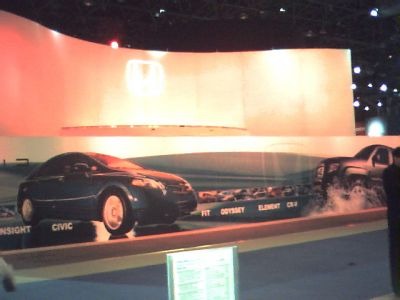
This area of law is largely uncharted and underdeveloped. The author traces its evolution from the perspective of copyrightable fictional characters, which are often excellent memes themselves. The case of MGM v. Honda is cited as a significant legal turning point, but the boundaries remain unclear.
10. Are memes copyrightable?
This discussion aims to provide clarity on the current issues and their relevance. The question of meme copyrightability impacts various forms of fan-created content, including fanfiction, doujinshi, AMVs, and even everyday uses of fan art as avatars or edited images for jokes and e-cards.
This article is part of a series:
You might also be interested in : Succulent Simoun