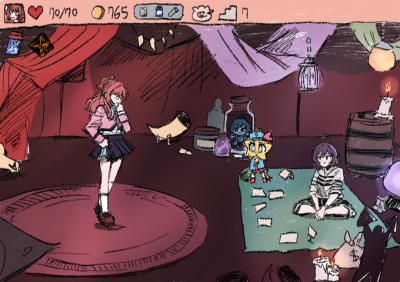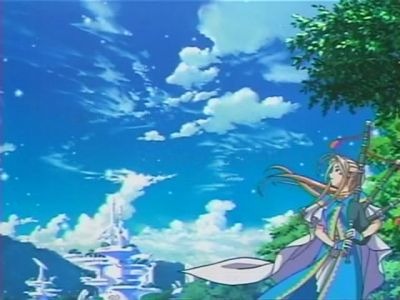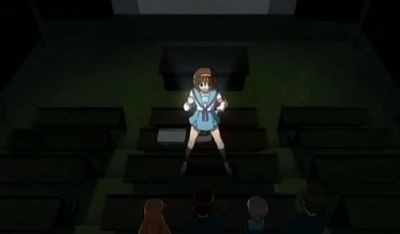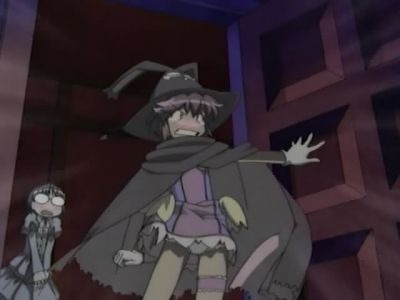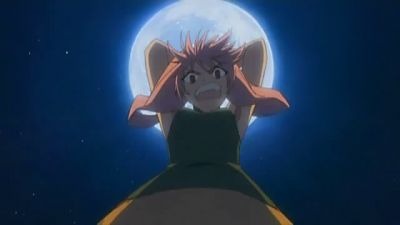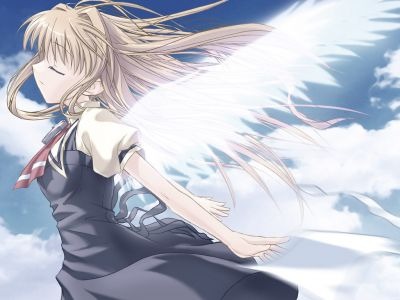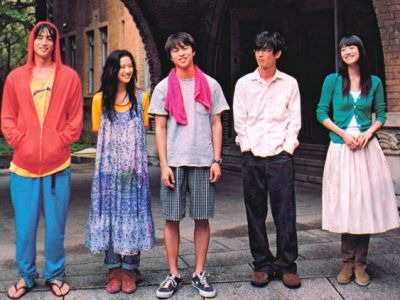
UlasanAnime.com – It appears many viewers have already seen Touka Gettan 5, and the general consensus is that it’s quite a confusing anime. Some might even compare its complexity to “Utena,” though it’s argued that Touka Gettan is significantly more bewildering. The visual style, with characters sporting elaborate hairstyles and vibrant colorations, can be reminiscent of certain visual novel or eroge aesthetics, sometimes leading to a sense of visual overload.


You might also be interested in : A Fully Operational Comedy Station
However, the show’s appeal goes beyond its intentional confusion and its cast of characters who seem to be a blend of supernatural beings and individuals with an “iroppoi” (sensual rather than overtly erotic) aura, traversing space and time. What keeps viewers engaged are the unique elements, such as the Japanese-style stall featured in episode 5. This establishment, offering made-to-order food, draws parallels to the process of purchasing a custom-made summer outfit.
The process of acquiring such an outfit is described as follows:
- First, one browses through the available selections in the store.
- Next, the chosen item is tried on, complete with a dedicated “dressing room” experience.
- Finally, the customer requests modifications from the store, allowing for tailoring to their specific desires while they wait.
The reviewer finds Momoka’s fondness for Nori-ben and other culinary delights to be a particularly attractive trait. Alternatively, the reviewer speculates if Saori Hayami’s performance in a role typically associated with Mamiko’s style might be the reason for this appeal. Information about Saori Hayami was not readily available, but the reviewer anticipates a promising future for this voice actress.
It’s noted as refreshing to hear a “soft tsun” voice amidst a cast that otherwise delivers more intense vocal performances. These include voices described as “come have hot sexxorz,” a “squeaky kohai” tone, and the portrayal of a woman playing a boy. Episodes 4 and 5 also feature a distinctive “Kefka laugh,” adding another layer to the show’s vocal landscape.
The post concludes with a lighthearted remark about cutting the discussion short to avoid getting sidetracked by the show’s more suggestive elements.