UlasanAnime.com – The concept of a balanced diet extends beyond mere nutrition; it applies equally to the diverse range of stories and storytelling methods available in anime.


Just as a varied diet prevents nutritional deficiencies, consuming a wide array of anime genres and narrative styles ensures a richer and more comprehensive appreciation of the medium. This idea is inspired by the diverse culinary practices observed across cultures, such as the Eskimo cuisine discussed in Moyashimon, where unique methods like kiviak were employed to overcome dietary limitations and ensure adequate vitamin intake.
The core principle is that people enjoy different kinds of stories, but the delivery format significantly impacts their reception. Anime, as a medium, excels in offering a vast spectrum of themes and, more importantly, diverse storytelling techniques.
A prime example of this is Higurashi no Naku Koro ni. While the underlying narrative might not be exceptionally groundbreaking once revealed, its strength lies in its presentation. The story is delivered in a fresh, layered, and intriguing manner, masterfully juxtaposing elements of moe cuteness with shocking gore. This unique packaging makes it engaging, to the point where, in comparison to darker series like Shigurui, Higurashi can feel almost as lighthearted as an episode of Dragon Ball Z.
This isn’t to say that Dragon Ball Z is inherently bad; it has its merits and can be enjoyable. However, much like a delicious steak, it’s not something one would necessarily want for breakfast every single day. Similarly, learning about life through a child’s dialogue with a ghost while playing a game is valid, but it offers a different perspective than learning through a child’s conversation with friends planning a school festival, riding a giant robot, or even a dog. All these narrative approaches have their place and appeal to different individuals at different times in their lives.
The broader concept is straightforward: there are stories, and then there are varied ways to tell them. A character-driven, monologue-heavy narrative will evoke different emotions and thoughts than a mecha show centered around crew gathering and boss battles. Even if the underlying themes and stories are similar, the distinct storytelling methods will attract different audiences, as characters with similar outlooks might find themselves in drastically different situations.
The potential problem arises when, like myself, one tends to focus heavily on new anime releases. If your viewing habits are dictated by what’s currently trending or fresh from Japan, you might inadvertently fall into a pattern of consuming a limited range of anime. We often become passive recipients of whatever content fansubbers, studios, and distribution platforms deem attention-grabbing. However, to truly appreciate anime as a hobby and a medium, it’s crucial to actively seek out a variety of shows to counterbalance recent viewing experiences.
Variety itself is a remedy, fostering a more balanced perspective on anime. While watching exclusively niche genres like tentacle hentai might be a personal preference, it could be considered an “Eskimo-esque” approach, and exploring more unconventional or different genres might be beneficial for maintaining a fresh outlook. The same applies to those who primarily watch action, mecha, shoujo, or romance anime without venturing into other categories. Not gaining a broader understanding of what anime generally offers can limit one’s appreciation of the medium’s full potential. A balanced diet, even if it includes unusual or alternative choices, is recommended, provided it’s delivered effectively.
You might also be interested in : Weirdness for the Sake of It?
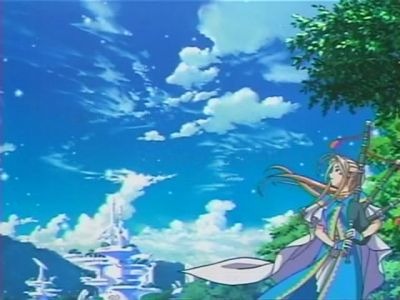
The author then humorously reflects on their own recent viewing habits, particularly their unexpected fascination with the Mao-chan and Kimikiss anime. After introspection, they surmise that beyond the superficial attraction to characters, there’s a deep-seated craving for a well-executed shounen/seinen pure romance story. They recall a similar attempt with a “Shizuka” project a year prior, but found its delivery lacking in the “moe” element they sought. While the Ah My Goddess TV series might be considered, it felt like a rehash of older narratives. Shows like H&C and Nodame were excellent but served as incomplete substitutes for their josei manga counterparts. This highlights a perceived gap in recent anime productions within this specific category. The author concludes that a bishoujo game adaptation, unless significantly re-written like Kimikiss Pure Rouge, may not adequately fulfill this demand.