UlasanAnime.com – While many might have dismissed iDOLM@STER: XENOGLOSSIA as a subpar anime, a closer examination reveals it to be a product of mixed quality rather than consistently bad or mediocre.


I managed to complete watching the series shortly after its original broadcast concluded. The final episode’s fansub was released recently, so the show might still be fresh in the minds of some viewers.
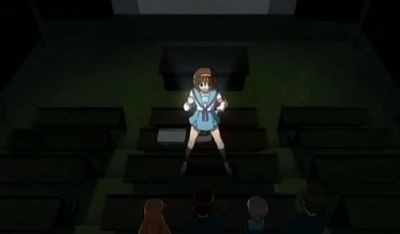
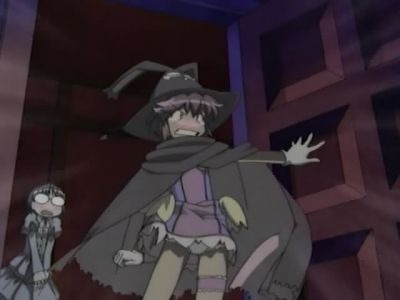
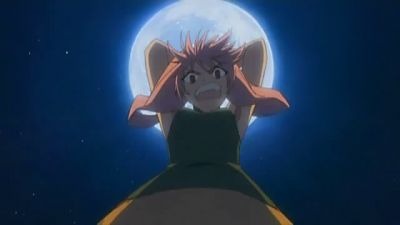
The most striking aspect of this “mixed bag” is its high production value, which remains impressive throughout the episodes I viewed. The choreography, while average for mecha-style anime, becomes quite engaging during scenes featuring characters in costumes flinging axes and other non-mecha combat. The series boasts a significant amount of good visuals, complementing its strong production quality.
However, what truly prompted this discussion is the music. While the soundtrack is sometimes barely noticeable, there are moments where it genuinely shines. The way the music functions within the narrative strongly reminds me of the anime Mai-Hime.
Mai-Hime features one of my two most cherished Kajiura soundtracks. Yet, its music was notably more repetitive than some of her other works, often relying on rearrangements of the main theme. This focus on a central theme, elaborated upon throughout the series and its soundtrack releases, was characteristic of Mai-Hime‘s background music. Similarly, Xenoglossia centered on a select few themes, with Tsuneyoshi Saito’s various arrangements proving to be quite effective.
For dedicated soundtrack enthusiasts, Xenoglossia might prove to be a hit-or-miss experience. Most tracks on the CD are directly lifted from the show, which, as noted, is often quite lighthearted. Nevertheless, there are some truly excellent pieces, particularly if you appreciate piano melodies or a slightly jazzier style. The soundtrack also incorporates more classical orchestration, which, for me, serves as a signal to pay closer attention to the musical score when it appears.
Interestingly, I found the main theme itself, the first instrumental track on the initial soundtrack, to be rather unremarkable. It appears to have been composed with the intention of evoking sentimental feelings in fans of Xenoglossia, perhaps by recalling the show’s more emotional scenes. In contrast, I found the various arrangements to be more enjoyable, even if they lacked the same level of… distinctiveness.
You might also be interested in : Audience Captivity
Overall, the two soundtracks for Xenoglossia are quite solid within the realm of anime music. Tsuneyoshi Saito’s previous work on notable series like Fafner, Nazca, and Denno Coil provides a good indication of his compositional style. It’s also worth noting that he has credits on music for FF6. Perhaps Xenoglossia stands out as a somewhat atypical entry in Saito’s discography?