
UlasanAnime.com – It’s a peculiar sentiment, but the opening sequence of Hourou Musuko has genuinely captured my affection. By the standards of Winter 2011 anime broadcasts in Japan, it doesn’t stand out as particularly dynamic. Even when measured against the typical offerings of the noitaminA block, it remains understated. In essence, it’s the antithesis of the Kuragehime OP. Perhaps it’s precisely its unconventional nature that elevates it to the pinnacle of my favorite opening and ending themes this season.
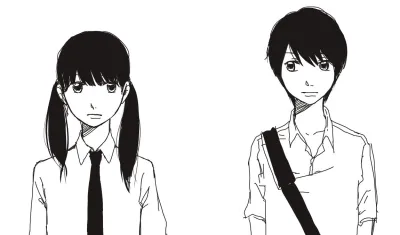
The Kuragehime OP serves as an excellent point of comparison. Beyond its lively and intricate web of references, the song “Koko Dake no Hanashi” by Chatmonchy is, from a non-fan’s perspective, one of their more commendable works. It complements the cheerfully paced romantic comedy perfectly. In contrast, I found myself utterly captivated when the folksy newcomer Daisuke performed “Itsudate” during Hourou Musuko’s opening. I’m uncertain of the exact reason, but something about it seized my attention, facilitated focus, and allowed me to absorb the watercolor-esque scenery and the straightforward guitar melody with remarkable ease.
If I were to venture a guess, it was the watercolor credits, eerily suspended over scenes of an empty school. These credits were presented with an English translation, a three-dimensional English translation at that. If that doesn’t pique your interest, then perhaps nothing will.
You might also be interested in : Schema Nilai
The peculiar aspect is that, from an objective standpoint, the OP for Hourou Musuko is somewhat disorganized. It features a confluence of disparate visual elements; it’s largely composed of computer-generated imagery, and as noted, not much truly “happens.” Yet, it’s often the very first thing we encounter in each episode. While it resonates with me, I struggle to envision it appealing to the average Western anime viewer. What is truly going on here?
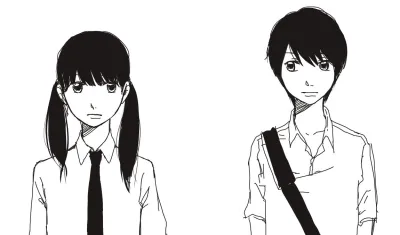 This observation is merely a fragment of a larger narrative. To grasp the full scope, we must briefly delve into the series’ themes. The concept of “soft focus” is a fitting starting point. It functions akin to the digestive fluids of a pitcher plant, seamlessly merging character animation, backgrounds, colors, thematic elements, and indeed, the viewers themselves.
One of the prominent themes explored within Wandering Son, as articulated by others, revolves around loneliness and the search for common ground as a means to foster connection. I believe the OP directly engages with this by amplifying the nostalgic, folksy sentiment to its maximum, allowing the audience to fill in the emotional blanks. This is precisely why the school setting is depicted as empty. The series thrives when we project ourselves into the narrative, when we engage our capacity for empathy. The anime succeeds because it actively invites this participation. Even if one has never personally encountered the specific challenges faced by the characters, the empty school provides a relatable space for introspection. [And one can only imagine how much more potent this connection is for individuals who can genuinely identify with the cast.]
Regardless, each week’s viewing of the OP elicits a profound emotional response from me. It’s almost as if the jarring contrast that Rie Fu now delivers weekly in the ED is reversed; the OP draws us in, and the ED then plays its trump card to secure the victory. There is a deliberate method behind this seemingly unmethodical approach.
And we haven’t even touched upon the subject of transgender experiences! However, it is well-known that otaku appreciate a well-executed plan. This plan involves a visual direction that not only complements but actively extends the thematic core of the story. It is, without question, a grand and ambitious plan.
P.S. This is the most effective anime employing this particular technique since K-ON. And I still have no clear understanding of why a carnivorous plant was referenced in this post. Perhaps it signifies a disorder in the food chain of identity?





















