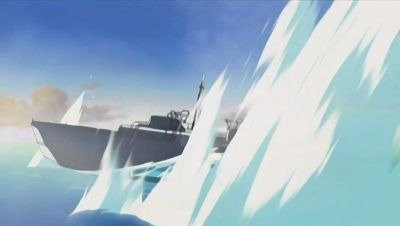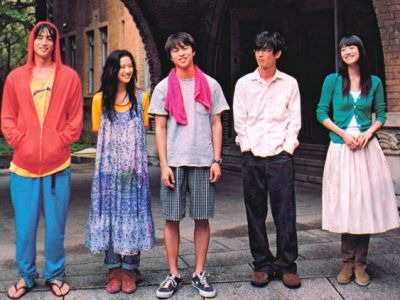
UlasanAnime.com – The author is participating in a Ghibli Challenge, which involves watching all Ghibli films at a GKIDS retrospective. However, instead of watching every film, they’ve opted to rewatch favorites and are attending showings that are frequently sold out. This leads to a slight guilt about potentially taking a seat from someone who hasn’t seen the film before, though they rationalize it as “their loss.”
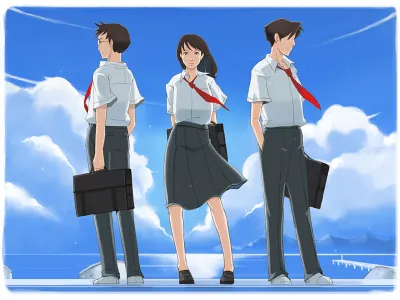
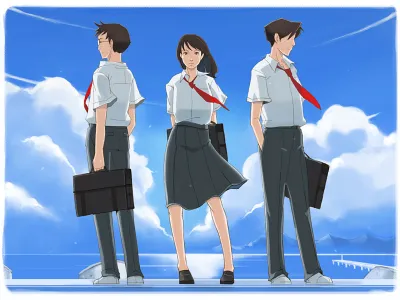
The article then focuses on “Ocean Waves” (Umi wo Kikoeru), highlighting its unique position as director Mochizuki’s sole contribution to the Ghibli young animator program and its original broadcast as a TV special rather than a theatrical release. The author notes the irony of seeing a TV special in a theater, requiring an upscaled DVD presentation. They also mention the affordability of the DVD compared to the ticket price, lamenting having purchased it at full price years ago.
Despite these points, “Ocean Waves” is described as a semi-arthouse film that explores the dynamics between well-to-do city kids and those from rural areas. The author expresses excitement over specific directorial choices, such as a particular pan shot and the non-linear narrative.
You might also be interested in : Whisper of the Heart Challenge
The film is deemed unsuitable for young children, with the author clarifying that they don’t count teenagers as “kids.” They point out mature themes, including a candid reference to a girl’s first period and an anti-Disney, anti-American nod to underage drinking. The author believes the film is targeted at an adult audience, capable of being perceived as wholesome entertainment.
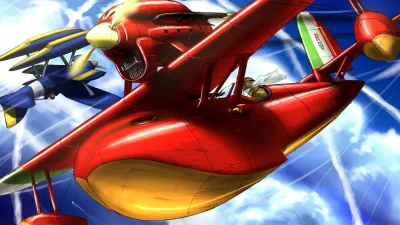 The author then shifts to discussing their rewatch of “Porco Rosso,” reiterating it as their favorite Miyazaki film. A subtle detail they noticed this time was a line of dialogue during Porco’s call with Gina. The translated subs read “but a pig’s gotta fly,” but the author speculates that the original Japanese might have conveyed a more profound meaning: “a pig that doesn’t fly is just a pig.”
This interpretation leads to a broader reflection on the nature of Porco’s identity as a pig. The author questions whether the non-showering habits of sea pirates are relevant to their pig-like nature or if Porco’s being a pig is intrinsically linked to his identity, which in turn reflects the identity of others. They agree with Gina’s assessment that both Curtis and Porco are “pigs” in their self-absorbed pursuit of appearing cool.
The article muses on what separates humans from pigs, suggesting “law and cleanliness” as potential distinctions. The final fight scene between Porco and Curtis is analyzed as a subversion of coolness for comedic effect, highlighting that their “stupidity” is permissible because they are not engaged in a real war. The author humorously notes that a serious character like Gina is left to handle the actual military affairs.
This leads to a contemplation of the “macho-man” message in “Porco Rosso,” or perhaps a “Hemingway-esque” theme, albeit with a humorous twist. The author concludes by mentioning that these fifth and sixth challenges are part of an end-of-year blogger festivity and directs readers to GKIDS for more information about the Ghibli theatrical roadshow.