UlasanAnime.com – The perception of how comedy is presented, particularly in relation to the 4-koma manga format, is a fascinating aspect of anime and manga. The author of the original post delves into how the transition from a seamless narrative to a segmented, panel-based structure, like that found in 4-koma, can be a deliberate comedic tool. This structuring, where “koma” (panels) are added to give visual form, is a fundamental aspect of manga creation, with the choice to limit framing to four identical panels often serving to enhance its structure further.
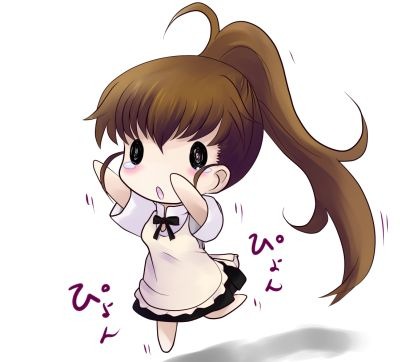
This structural approach is equally relevant in anime. The anime series Seitokai Yakuindomo effectively mimics this by incorporating “second joke” cuts, often marked by flying stamps, to transition between scenes or comedic strips. In contrast, Lucky Star largely eschews this technique. Reflecting on Azumanga Daioh, a pioneering anime that popularized the 4-koma format, raises questions about the effectiveness and intention behind these stylistic choices.
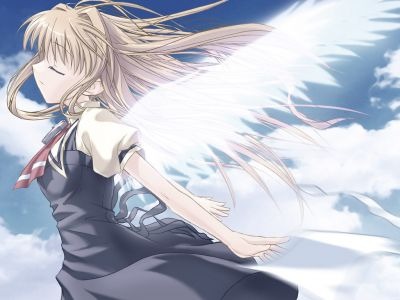
 The choice to focus on Azumanga Daioh stems from its segmented structure, comprising five segments per episode, which shares a similar breakdown to Seitokai Yakuindomo, especially when punchlines are delivered rapidly. Lucky Star, however, exhibits a different approach. This difference is a stylistic decision, as Lucky Star feels more akin to K-ON!, another anime adapted from a 4-koma manga. Both series share a similar presentation style, and the transitions are less critical to the comedic impact in K-ON!.
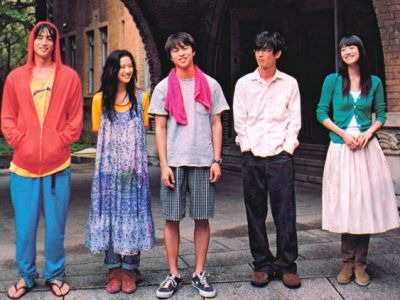
Consider the anime Working!! as another example. Does it evoke a 4-koma feel? This is where Azumanga Daioh truly shines. It masterfully blends television narrative with jokes that land like carefully constructed sitcom punchlines, creating a rich comedic texture without appearing to strain. The humor arises from the quick shifts in story from one frame to the next, with the original 4-koma material serving as the foundation for this new, animated form.
However, this does not imply that this is the only or even the superior method of comedic presentation. Seitokai Yakuindomo deliberately highlights its panel-switching cuts, as this technique is an ongoing joke in itself. It doesn’t conceal these transitions but rather weaponizes them for comedic effect. Undoubtedly, viewers who are put off by these seemingly abrupt shifts might find it more enjoyable. For the author, the rapid transitions between strips in the anime often meant being too engrossed in processing the joke and on-screen text to fully appreciate the transitions themselves.
Despite these observations, the author finds it difficult to believe that Lucky Star is underrated. The series garnered immense popularity during its peak, a level of hype few other shows have deserved, if any. Perhaps this sentiment is more prevalent among the author’s personal reading habits.
You might also be interested in : Crunchyroll Picks Up Squid’s Headwear