UlasanAnime.com – The discussion around anime terminology often sparks passionate debates among fans, with the word “cour” being a recent point of contention. ANN Zac raised a question about the increasing use of “cour” instead of “season” among anime enthusiasts, pondering if “season” had become too confusing.
The author admits to a mixed feeling about this linguistic shift, acknowledging that while “season” might seem straightforward, there have been instances where its meaning needed clarification. The adoption of “cour” can be seen as a more precise way to describe anime broadcasting schedules, especially when dealing with shows that span multiple broadcast periods within a year.
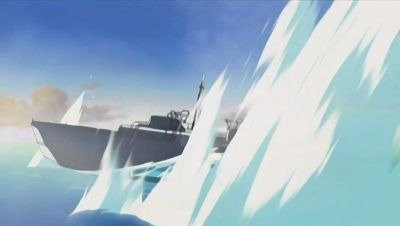
While the initial query might seem trivial, the author argues that the widespread adoption of “cour” and its practical advantages warrant a closer look. The term allows for both increased precision and, paradoxically, a degree of imprecision. For example, stating that “Season 2 of Aria TV is 2-cour, seasons 1 and 3 are 1-cour” is clearer than saying “Season 2 of Aria TV is 2-season.”
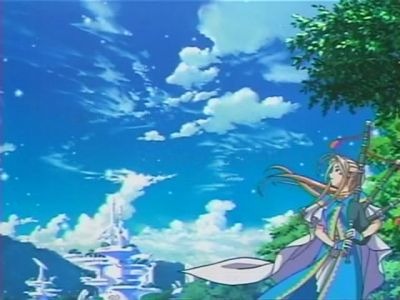
To illustrate this point, the author provides several phrasing options for the anime series “Aria”:
- 1. Season 2 of Aria TV is 2-cour, seasons 1 and 3 are 1-cour.
- 2. Season 2 of Aria TV is 2-season, seasons 1 and 3 are 1-season. (This is presented as confusing)
- 3. Season 2 of Aria TV is 26 episodes, seasons 1 and 3 are 13-episode.
- 4. Aria the Animation is 13 episodes, Aria the Natural is 26 episodes, Aria the Origination is 13 episodes.
- 5. Aria the Animation is 1 season, Aria the Natural is twice as long, Aria the Origination is 1 season long. (The author dislikes this due to potential misinterpretation)
The author prefers phrasing that uses both “season” and “cour” to describe different aspects, highlighting the elegance of using precise terms when necessary. The complexity increases with “split season” shows, further emphasizing the need for a term like “cour” to maintain clarity.
The use of “cour” also allows for less precision when the exact episode count is unknown. If, in 2006, one didn’t know the exact number of episodes for “Aria the Natural,” describing it as “two seasons” might have been the only option, a phrasing the author associates with a “twitter curmudgeon.” The author hypothesizes that the term “cour” gained traction precisely because of the increasing necessity to distinguish between different broadcasting lengths as the anime industry grew.
The example of “Aria” is chosen not only for its illustrative value but also because its broadcast period (2005-2007) aligns with the rise in the common usage of “cour.” For those deeply involved in tracking new anime releases every three months, especially since 2001 when the number of new shows per season significantly increased, “cour” becomes an indispensable tool for navigating complex broadcasting schedules.
Furthermore, the author notes that the term “cour” is also used in Japan, adding another layer to the linguistic phenomenon. It’s unclear whether this indicates a direct adoption or a parallel development.
===
You might also be interested in : Cute & Charming: Seiyuu Special
In a separate note, Mangagamer is holding a summer sale. The PR message highlights the appeal of visual novels during the summer break, suggesting that players can enjoy these games from the comfort of their homes while engaging in various fictional activities. The author questions whether there’s a seasonal surge in purchases for this genre.
===
Transitioning to a discussion on fringe games and artistic expression, the author references a Penny Arcade rant that resonated deeply. The piece explores the nature of creative output and the challenges faced by creators, particularly within the context of niche genres and mediums. The author agrees with Tycho’s perspective that the solution to creative stagnation is “more art,” not less, and that the problem lies in the passive consumption of culture rather than active creation.
The answer is always more art; the corollary to that is the answer is never less art. If you start to think that less art is the answer, start over. That’s not the side you want to be on. The problem isn’t that people create or enjoy offensive work. The problem is that so many people believe that culture is something other people create, the sole domain of some anonymized other, so they never put their hat in the ring. That even with a computer in your pocket connected to an instantaneous global network, no-one can hear you.
The author believes this sentiment applies to the anime fandom as well, seeing the video game issue as a broader manifestation of a larger problem. The author finds Tycho’s argument compelling but suggests it’s a chicken-and-egg situation. While popular culture encourages individual storytelling, the question of why a specific story is told in a particular medium remains.
The author posits that the appeal of a video game over a comic book, for instance, is tied to the genre’s defined characteristics, much like Mozart wouldn’t draw his sonatinas. The idea is that creators like Carmack and Hideo Kojima define what games are, and those who follow suit will naturally tell similar stories, creating a self-correcting system. This system has reached a peculiar equilibrium, with capitalism largely managing the commercial aspect.
The author draws a parallel to the Humble Bundle, questioning who truly appreciates “frameworks” beyond a niche audience. The challenge lies in applying artistry to video games, an endeavor left to creators. Meanwhile, artistry in drawings and music is more readily understood, as seen at events like Comiket, where the majority of offerings are visual or textual, followed by music, with games and anime being less prevalent.
The author concludes that the value lies in the meta-narrative, the connections between different creative endeavors, and how these themes propagate. The author points to games like “CCY-Senpai wa 17sai” as examples of endearing content, but acknowledges that their value is often limited to those already immersed in that specific scene.