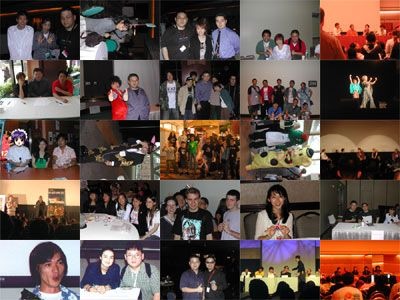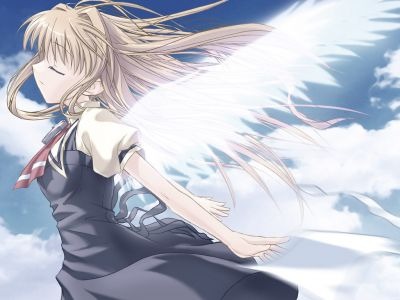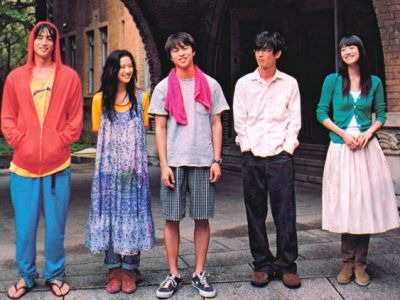
UlasanAnime.com – The film Ookami Kodomo no Ame to Yuki, also known as Wolf Children, was recently screened at the NYICFF by FUNimation. The sold-out showings were accompanied by director Mamoru Hosoda, who presented his works to the audience. He appeared more approachable this time compared to his appearance for Summer Wars three years prior. His recent success, including winning a Japan Academy Prize just a few days ago, likely contributed to his demeanor.
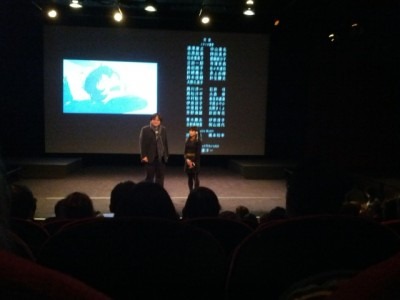
This article will delve into the Q&A session that followed the screening, as it provided significant insight into the film. While it might be less comprehensible without having seen the movie, it is highly recommended to watch Wolf Children as it is an excellent film.
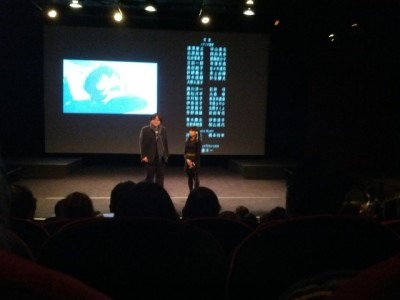
Hosoda’s explanations during the Q&A were very illuminating. One of the initial questions posed to him was:
Q: Why did you make the film so depressing?
You might also be interested in : The Role of Harassment in Mori TV Anime
The audience responded with laughter.
Hosoda: How old are you?
Q: I’m 8 years old.
Hosoda: People perceive things differently based on their age. What you find depressing now might not seem that way when you watch it again at 15 or 20 years old.
While there were further details shared regarding this question, they are not precisely recalled. However, one particular exchange sparked a realization that helped in understanding the film’s core message. Essentially, Hosoda aimed to create Wolf Children from a parental perspective, intending to convey this viewpoint to the audience, which could include children. It was noted that the mother’s perspective throughout an entire film is a rarity, especially within the family-friendly animation genre.
The parental viewpoint is often alien to children, and it’s unlikely they can fully appreciate it. They might simply see the film as the story of a single mother raising two wolf-children. The narrative doesn’t offer much in terms of overt spectacle, and the thematic connections to the plot might not be immediately obvious. However, the film is rich with the anxieties and struggles of parenthood, which Hosoda brilliantly incorporated into the genre, offering something for both parents and children.
Another significant theme explored in the film is personal growth and transformation, mirroring the characters of Yuki and Ame. Yuki, who was more wolf-like, eventually embraced a human life, while Ame, who was more human-like, ultimately chose the path of a wolf. Hosoda elaborated on this aspect in response to another question from a young audience member. Ame’s compelling call of the wild was particularly well-executed.
The film offers a poignant way to process difficult emotions, such as the grief experienced when a parent is lost. This was one of the more subtle points Hosoda raised to explain the reasoning behind a specific, impactful scene in the movie.
Finally, two additional points are worth mentioning:
The creation of Wolf Children took Hosoda and his team three years. Before commencing the project, Hosoda and his wife were trying to conceive. Following the post-production phase, he became a father, a remarkable coincidence given the film’s subject matter.
The animation of rain in the film is exceptional. While not entirely CG, it is a testament to sophisticated digital composition. The visually stunning dreamscape sequences are also noteworthy. It remains to be seen if Makoto Shinkai’s new rain anime can surpass the rain animation in Wolf Children, but a direct comparison would be necessary for a definitive judgment.