
UlasanAnime.com – While Girls und Panzer excels as a sports anime with its familiar tropes, engaging characters, and explosive tank battles, C3-bu offers a distinctly different experience.
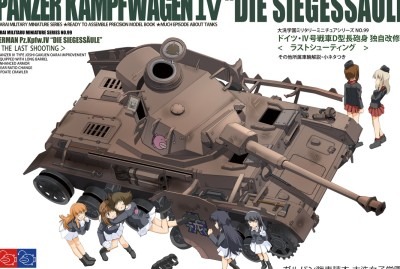
The author notes that C3-bu lacks much of what makes Girls und Panzer great. He even questions the marketing approach for C3-bu, finding it amusing how different the author’s perspective seems from his own viewing experience.
Comparing his previous thoughts on the series, the author aims to re-evaluate C3-bu by contrasting it with Girls und Panzer.
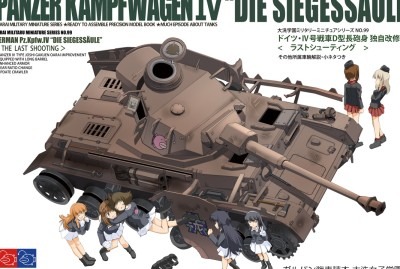
The characters in C3-bu, while still enjoyable, present a more limited range compared to Girls und Panzer. The author finds it difficult to distinguish many characters beyond Yura, Rin, and Sonoko. Karila is highlighted as a source of excitement, akin to Rento’s passion for tea and cake, adding a unique dynamic to the sport.
Ultimately, C3-bu is characterized as unique within the all-girls after-school club genre. Its originality lies in its blend of actual sport, character development, metaphorical imagery, and the intermingling of dreams, fantasy, and reality, all underscored by harsh truths. The core of the narrative is perceived as the adolescent development of Yura and Sonoko, despite their sometimes mature demeanor.
In a similar vein, Stella Women’s Academy, High School Division Class C3 Club can be understood within a specific thematic context. If Saki focuses on “girls and mahjong and high-tension tournaments,” then C3-bu delves into “girls and airsoft and overcoming deep-seated, self-inflicted emotional wounds.” This darker, more introspective theme is suggested as the reason C3-bu is a more challenging watch compared to popular contemporary anime.
Although Girls und Panzer attempts to incorporate similar themes, it often resorts to a checklist approach. While it touches upon sibling rivalries and sacrificing personal goals for friends, the anime doesn’t deeply explore how Miho overcomes her internal struggles beyond the validation of her peers. Girls und Panzer prioritizes showcasing the correct outcome without detailing the arduous process. The author posits that audiences might prefer to avoid the laboring details of negative emotions, personal struggles, and repeated setbacks that lead to eventual triumph. The anime doesn’t fully illustrate Miho’s acquisition of inner resolve or her innovative thinking under pressure. In contrast, the author believes C3-bu bravely delves into this “black box” that many shows avoid. While Yura achieves greatness in a similar manner to honor a friend, her story, and that of Miho, are presented as vastly different, demonstrating how outcomes can diverge despite similar efforts and determination.
The author understands why other shows might sidestep these darker themes, as they can detract from the escapist fantasy. However, this diversity of thought is what makes anime compelling today. Even within the generally accepted themes of teamwork and positivity, there exists a depiction of a character who makes the right choices but still falters, or someone who possesses everything yet loses themselves in the process. It’s a narrative about a teenager finally overcoming their inner turmoil.
You might also be interested in : Summer 2013 Season Reflections
As a bonus perspective, the author suggests examining C3-bu, Girls und Panzer, and Japan’s revered Koshien tournaments through a similar lens. An article about Japanese baseball highlights the cultural significance of “Koshien,” where coaches push young pitchers to their limits, potentially jeopardizing future careers for the glory of the moment. This approach is rooted in deeply ingrained beliefs, almost religious in nature, that valorize the idea that heart and courage can conquer the impossible. This is presented as one solution, though it may not satisfy everyone, particularly those who experience defeat in such high-stakes environments.





















