
UlasanAnime.com – In the realm of anime, understanding the nuances and underlying strategies can often be as engaging as the series itself. For “Ro-kyu-bu,” particularly its second season, “Ro-kyu-bu SS,” this involves looking beyond the surface-level content and appreciating the deliberate choices made in its production and casting.
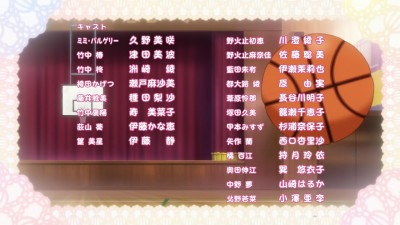
Initially, one might consider the term “seiwota” as a fitting descriptor for fans who appreciate the voice acting talent. This term, often associated with dedicated fans of voice actors, highlights the significant role these performers play in the anime industry.
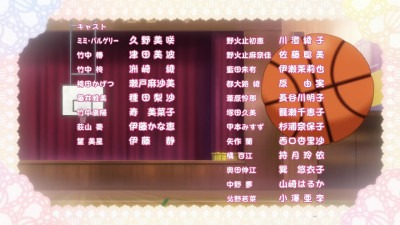
The early successes of “Ro-kyu-bu” can largely be attributed to its core voice acting team. Their performances not only brought the characters to life but also translated into successful idol-like stage shows, which became best-sellers on Blu-ray. This underscores the commercial appeal and fan dedication generated by the voice actresses involved, even extending to incentives for purchasing anime Blu-rays.
The second season, “Ro-kyu-bu SS,” elevates this strategy by featuring voice actresses who are themselves on the rise in the industry. The entire fifth-grade team is comprised of emerging talents, often associated with a “nerd-pandering idol-ish” appeal. It’s fascinating to observe the career trajectories of these individuals. For instance, Asami Seto, known for her role in “Chihayafuru,” is a prominent example of such talent. The dynamic duo of Minako and Tsuda, likely referring to Minako Kotobuki and a partner, also presents an interesting prospect, with Kotobuki already having established herself significantly, perhaps as part of the group “Sphere.” Then there’s Risa Taneda, whose performance in “Wareta Ringo” was as moving as her work in the more widely recognized “From the New World.” The inclusion of a “French Loli” character, a role that could have been filled by many others from the same show, further emphasizes the casting choices aimed at leveraging popular voice talent.
You might also be interested in : Canonization, Comparison, Criticism
The antagonist in “Ro-Kyu-Bu SS’s” second story arc is portrayed by a specific actress, who collaborates with two other voice actors connected to the “iM@S” (The Idolmaster) franchise. This strategic casting reinforces the series’ focus on idol-adjacent themes and the appeal of its voice talent. Additionally, the series consistently features a blend of veteran voice actors and newcomers, including notable names like Ayane Sakura and Ayako Kawasumi. It’s precisely this caliber of talent that draws many viewers to the series, even those who might otherwise be hesitant about its subject matter. The opportunity to witness these professional voice actresses working together, even in a “lolicon” show, becomes a compelling reason to watch.





















