
UlasanAnime.com – This section delves into the author’s thoughts on various anime series from Autumn 2013, continuing from a previous part.
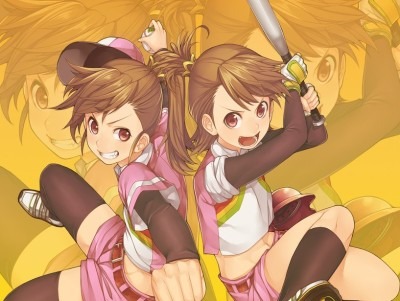
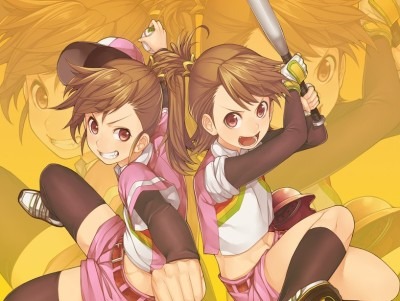
Regarding “Outbreak Company,” the author notes that the fanservice is well-executed, which is often enough to keep them engaged for the first three episodes. However, the show also includes a “Cool Japan” jab that might be a deciding factor. The author is on the fence about continuing, as they need to first enjoy the antics of the main character. They believe he has the potential to become a modern-day Kintarou Oe with some polish, but currently, he’s just an uninhibited otaku.
In contrast, “Sekatsuyo” is characterized by the screaming of Ayachi, which the author finds noteworthy. The combination of Asumi and Ayachi leads the author to “see the ending” of the series, and in this case, they feel they do. The production value is lower than expected, which is saying something given the author’s already low expectations. They feel the least that could be expected is seeing well-animated quality holds, a bar that “Sekatsuyo” apparently did not clear. It’s a mixed blessing that the author isn’t a martial arts enthusiast, as they often struggle to discern the accuracy of the fight choreography.
For “Kingitsune,” the author playfully suggests, “Maybe for a little while, let the squidgirl heal you?”
You might also be interested in : Autumn 2013: Selections and Reflections
Moving on to “Walkure Romanze,” the author considers it potentially watchable for a short period, setting aside the involvement of iM@S seiyuu. The jousting aspect is deemed ridiculous. However, the CG horse animation is found to be somewhat mesmerizing, and the way the joust sequences were animated by leveraging digital composition through armor animation is praised as great.
The second season of “Magi” is described as simply “Magi,” which is acceptable to the author. They express that they missed this particular version of Kyari.
“White Album 2” receives high praise from the author. They feel it’s reminiscent of “Kirakira all over again,” with the added benefit that the music has already gained significant personal value from the first series.
The author then poses a question, “Are we ready for another week of new anime? I am.”
Finally, the author shares thoughts on “Kill La Kill,” referencing a “pretty good read” that explains the show’s appeal and the underlying assumptions and concepts behind people’s decisions regarding it. However, the author points out that the linked article contains several demonstrably wrong statements, which they liken to the persistent inaccuracies found in film critiques of Japan and anime over the past 30 years.





















