UlasanAnime.com – At the recent New York Comic Con (NYCC), a Japanese publisher’s booth presented a translated sample of a light novel pitch, which surprisingly centered around the sport of curling. This was not the only unexpected element; the presence of a light novel booth itself was a bigger surprise, suggesting a potential lack of understanding of the US market by some Japanese media companies attending large conventions like NYCC.
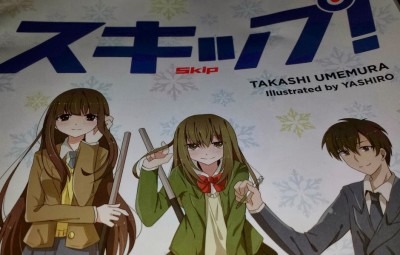
The publisher was seeking a US publisher for their new work, a light novel they referred to as “LANOVE,” a term that took a moment to decipher. The author notes that the pitch was for a light novel that had not yet been published in Japan.
The author received a leaflet and only read it after the convention concluded, at which point they discovered the novel’s subject was curling and that it was titled “Skip.” The title, being a single word, was seen as a positive sign, although the overall impression of the pitch was likened to a “giant rickroll.” Further information about the publisher, Samurai Bunko, can be found on their website.
The author also humorously awarded the “most clueless Japanese exhibitor at NYCC 2013” award to this publisher. In contrast, the booth for “1st Place,” which showcased Vocaloid content, was described as “very awesome” but perhaps not fully appreciated by the general convention-goer, likening it to “pearl before swine.” The author inquired if any Vocaloid enthusiasts had attended their events.
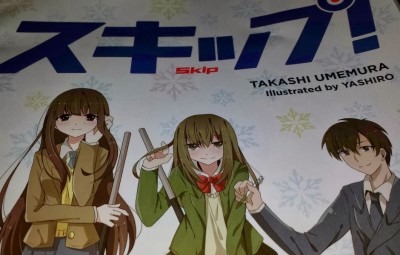
Curling, from an American perspective, is often perceived as a somewhat niche or even humorous sport. The author clarifies that this observation is not meant as disrespect and that they would likely enjoy watching curling if given the chance, acknowledging its validity as a sport alongside others.
The encounter at NYCC highlighted a common trend where some Japanese media companies may not have a fully accurate grasp of the American market landscape when attending major international events. The light novel pitch for “Skip” served as a specific example of this phenomenon.
The publisher’s decision to pitch an unpublished work in Japan indicates a proactive approach to gauging international interest and potential publication opportunities. The name “Skip” itself is a direct reference to a key action in curling, further emphasizing the sport’s central role in the narrative.
The author’s initial reaction to the “LANOVE” term underscores the potential for cultural nuances and linguistic differences to create initial confusion. However, the subsequent understanding of the term and the novel’s subject matter provided a clearer picture of the publisher’s intentions.
The existence of a single-word title like “Skip” was perceived positively, suggesting a potential for a concise and memorable branding for the light novel. This detail, combined with the unique subject matter, added to the intrigue of the pitch.
Despite the initial “rickroll” feeling, the author’s willingness to share details about the publisher and their work indicates an underlying curiosity about unconventional literary offerings. The provided link to Samurai Bunko’s website allows interested readers to explore more about their projects.
The author’s commentary on the “clueless” and “gawking” exhibitors at NYCC adds a layer of personal observation and lighthearted critique to the report. It reflects the subjective experiences of navigating large conventions and encountering diverse types of exhibitors.
The mention of Vocaloid and the “1st Place” booth touches upon another aspect of Japanese pop culture that has a significant following. The author’s analogy of “pearl before swine” suggests that the presentation or target audience might not have fully aligned with the depth of interest from dedicated fans.
The question posed to readers about attending Vocaloid events invites engagement and further discussion on the topic, highlighting the interactive nature of online content platforms.
You might also be interested in : A Brief Update on the Anisong Tournament
In essence, the article serves as a brief, anecdotal report from NYCC, focusing on an unusual light novel pitch and broader observations about Japanese media presence in the US market. It blends personal reflection with factual reporting, offering a glimpse into the diverse and sometimes unexpected content found at major conventions.
The core of the story revolves around the novelty of a light novel about curling, a sport not commonly featured in popular media, especially in the light novel format. This unique premise is what initially caught the author’s attention.
The author’s perspective on curling as a “joke of a sport” for Americans is presented as a personal observation, emphasizing the cultural differences in how various sports are perceived and popularized across different regions.
The interaction at the publisher’s booth provided a direct insight into the process of international media promotion and the challenges involved in bridging cultural and market gaps.
The “LANOVE” designation, while initially confusing, ultimately points to the publisher’s attempt to categorize their work within a specific niche of the Japanese publishing industry.
The title “Skip” is a clever and direct nod to the sport of curling, indicating a focused narrative that likely delves into the intricacies and strategies of the game.
The author’s use of the term “rickroll” conveys a sense of playful skepticism, suggesting that while the concept is intriguing, its execution or potential success remains uncertain.
The inclusion of the publisher’s website link is a valuable resource for anyone interested in learning more about Samurai Bunko and their future endeavors.
The author’s distinction between the “clueless” and “gawking” exhibitors adds a touch of humor and personality to the article, making it more relatable to readers who have experienced similar situations at conventions.
The commentary on the “1st Place” booth and Vocaloid enthusiasts highlights the author’s awareness of different fandoms and their appreciation for dedicated fan communities.
The overall tone of the article is informal and conversational, reflecting the personal nature of the author’s experience and reflections at NYCC.
The article is a snapshot of a specific moment at a convention, capturing the author’s immediate impressions and thoughts on a surprising discovery.