UlasanAnime.com – This article delves into a specific collectible, not the ongoing manga series, focusing on the Max Factory 15th-anniversary figure of Belldandy with Holy Bell.
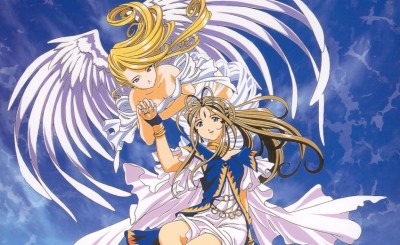
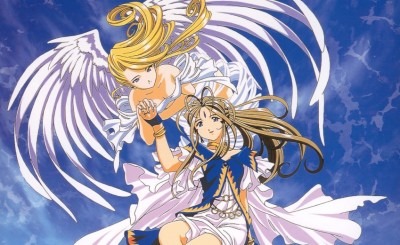
The figure is described as a beauty and one of the best in the author’s collection, independent of any personal affection for the character or franchise. However, it presents a “Belldandy Dilemma” due to its physical characteristics and limited nature.
Its height makes it slightly too tall for a standard Detolf display case, posing a practical issue for collectors. Furthermore, as a limited, individually numbered item, there’s an inherent hesitation to open the box, a sentiment the author rarely experiences with other figures.
You might also be interested in : My Little Pony: Plate Mail Armor Zones Are Magic
This reluctance to open is partly attributed to a lack of overwhelming emotional attachment to Belldandy or Holy Bell, a detachment stemming from a disciplined appreciation for their visual appeal rather than deep personal connection. The author values the figure for its superior craftsmanship and intricate design.
The figure’s substantial size is complemented by its exceptional detail and meticulous sculpting from base to top. It is considered a far more tasteful display piece than, for instance, a tengu figure, which might be seen as a more provocative conversation starter.
The author muses that a stronger emotional connection would likely lead to opening the box. Yet, keeping it sealed, despite the box’s effective showcasing of the product, means its full glory remains hidden, creating a classic collector’s quandary: to admire or to experience.
In practice, a significant portion of the author’s figure collection remains boxed because the initial excitement has waned. Many of these figures are candidates for sale, though exceptions exist.
Belldandy herself is one such exception, remaining boxed because the author has plans for a specific display setup that requires additional shelving and acrylic materials, a project yet to be completed.
Similarly, a Motorcycle Saber figure is still in its packaging as the intended display area needs tidying and shelving. A couple of Nanoha figures, while still fondly remembered, are also boxed as they are rarely brought to mind these days.
Conversely, the author has a Love is War Miku figure prominently displayed, ensuring it is constantly visible. This figure is not only aesthetically pleasing but also features a color palette of black, blue, and grey that complements the author’s dimly lit interior decor.
The Love is War Miku figure is largely composed of its base, with the Miku character being a less dominant element, serving primarily as a reminder of Miku’s existence as a franchise.
This leads to a broader question: does the author wish to be constantly reminded that “Ah! My Goddess” is still a relevant entity? The answer appears to be a nuanced “not really.”
The author does acknowledge the talent of Hidenori Matsubara, the character designer, and expresses a desire for more of his work to be translated into collectible figures.