UlasanAnime.com – The anime industry is constantly evolving, and with it, the strategies for promoting and distributing content. This evolution is particularly evident in the way conventions and industry events are being utilized. Kelts recently discussed the “festivities” surrounding AnimeJapan and the concurrent industry events, shedding light on the growing importance of these gatherings.

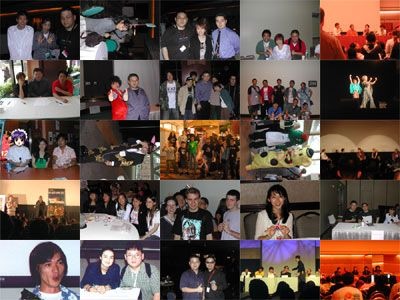
Following AnimeJapan, the second annual Project Anime Tokyo was held in Akihabara’s UDX building. This conference serves as a crucial platform for overseas anime convention organizers to connect with Japanese studios, fostering communication and collaboration. The initiative, spearheaded by Marc Perez, CEO of the Society for the Promotion of Japanese Animation (SPJA), and Nobuyuki Takahashi, president of Studio Hard Deluxe, first convened in Los Angeles in 2012 during Anime Expo (AX), North America’s largest anime convention.
Perez highlighted the conference’s objective: “One of the things we want to prove to the industry is that we (anime conventions) can promote them with very little investment.” The event has since become a biannual affair, with editions in Los Angeles and Tokyo, strategically timed with AX and AnimeJapan respectively. “We also want convention organizers from around the world to share ideas and best practices. One of our goals is to eventually establish a joint charter, rules and regulations about things like bootlegging and piracy and so on.”
Project Anime, in essence, is a convention focused on conventions themselves. Attendees participate in panels discussing the industry, press, and various facets of convention management. This concept aligns with observations about the SPJA’s role and the potential for leveraging existing resources within the anime community. As conventions continue to grow, particularly in America, there’s a significant opportunity for individuals or entities to bridge the gap between these growing fan bases and Japanese businesses.
You might also be interested in : The Downside of Accessible Anime
The challenge lies in developing a unified strategy to effectively bring anime content to market, promote it, and build a sustainable fan base. This requires a hands-on approach, involving meticulous planning and presentation, akin to a polished idol performance. Ultimately, this strategic push will likely lead to clear winners and losers, depending on how effectively these resources are utilized.
The full article offers valuable insights into the flow of fan money overseas and Japan’s response, or lack thereof. It’s worth considering whether entities like Anime Anime would find value in participating in Project Anime.

PS. The name “Studio Hard Deluxe” evokes a sense of premium quality, perhaps suggesting an elevated tier of operation compared to existing entities.
PPS. The actual effectiveness of conventions in driving sales, increasing brand recognition, and cultivating fan bases remains a complex question with no easy answers.