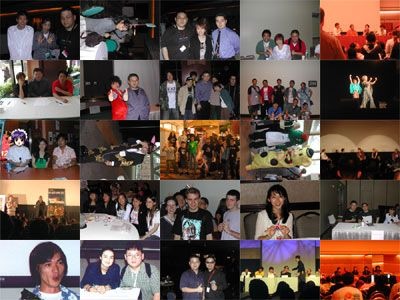
UlasanAnime.com – This wrap-up of Otakon 2014 aims to conclude the event experience while also exploring the broader concept of conventions as fan-organized endeavors that demand a level of organization comparable to well-established commercial enterprises, akin to mid-sized companies.


In terms of staffing, Otakon boasts a considerable number of staff and volunteers, potentially forming a mid-sized company. The concept of a “raid” comes to mind, reminiscent of large-scale group efforts in games like World of Warcraft, EverQuest, or even the complex skirmishes of EVE Online. Such endeavors, whether in gaming or convention organizing, require paramount organization for any group exceeding a certain size to achieve complex objectives effectively. This is especially true in “PvP” scenarios, where challenges are broken down into manageable tasks, much like organizing convention operations such as managing pre-registration lines or handling autograph sessions. The underlying principles are similar to those of any professional company or organization.
This organizational structure is precisely why significant events, such as when Anime Expo (AX) dismissed several department heads and long-time staffers a few years ago, had a more profound impact than initially perceived. It’s akin to a raid group losing its experienced leadership; while replacements might be capable, they face a steep learning curve. While the consequences in a MMORPG setting might lead to a “wipe,” the reliance on veteran members to guide new leaders is a parallel to how convention volunteers help newcomers find their footing.
Turnover is a natural occurrence in any organization, and it’s more frequent in larger ones. This is where many guilds falter; lacking formal business structures, smooth transitions depend heavily on existing members’ adaptability. Unlike companies with established protocols and mandated employee treatment, fan-organized groups often rely on a more informal, mentor-style approach, where newcomers are often vetted before joining. This mirrors how conventions onboard volunteers, guiding them from general tasks to more specialized roles.
In contrast, companies operate under legal frameworks governing employee treatment and professional conduct. They adhere to rules, bottom lines, and regulatory guidelines. This is why the “raid” analogy for conventions is fitting; neither has the same expectation of professionalism, leaving organizers to largely figure things out independently. This can lead to the loss of not only leadership but also the fundamental understanding of how things are organized, how people should behave, and the overall character of the event.
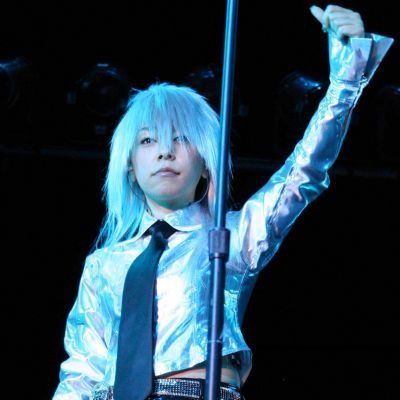
A specific instance that prompted this reflection was the organization of concerts at Otakon, and by extension, other conventions. While ALTIMA delivered a good performance, the experience for the audience was marred by the placement of press and special needs attendees at the front. This is a recurring issue that detracts from the performer’s ability to connect with an engaged audience. Placing press, who are there professionally, and individuals with mobility limitations at the forefront, while well-intentioned, demonstrates inexperience. Professional venues typically reserve such prime spots for paying attendees or offer accessible seating options that don’t obstruct the view of the general audience.
Beyond the aesthetic and performance impact of seating arrangements, the fact that this issue persists in 2014 is a regression. Many other conventions, including Anime North, AnimeNext, AX, and ACen, successfully managed their concert seating in 2014. Otakon itself had previously handled this correctly, offering side views for press, for example, which was satisfactory.
The likely reason for this oversight at Otakon this year is attributed to departmental turnover, causing crucial details to be overlooked amidst the planning for a special event like Yoshiki’s performance on the same stage.
This leads to a strong plea to Anime Expo (AX) to improve its concert venue setup. While AX has the potential for excellent music performances, Otakon faces challenges with its available concert spaces. The Arena is too large for most acts, and alternative venues like Ram’s Head are inconveniently located. Club Nokia, while a better fit in terms of size, is also not ideal. AX, by contrast, benefits from its proximity to venues like the Nokia Plaza, offering a more streamlined experience for attendees.
These venue limitations mean that Otakon is often reliant on its internal halls for live shows, placing attendees at the mercy of organizers who may lack experience in concert seating arrangements.
Returning to the plea for AX, recent experiences have raised serious doubts about its ability to treat Japanese music guests with the respect expected from a professional anime convention. This concern extends beyond specific incidents involving guests or past issues with Guests of Honor. It stems from a perceived lack of thoughtful planning in showcasing these artists and engaging attendees, suggesting a “half-assed raid” approach to event management.
You might also be interested in : Why Turn-A Gundam Isn’t the Best Comparison for Aldnoah.Zero
Despite these criticisms, there are constructive ways fans can contribute to improving conventions. This includes providing thoughtful feedback and, importantly, suggesting potential guests who would resonate with the fanbase. Such engagement is a valuable, yet often underutilized, way for fans to actively participate in the growth and improvement of the anime convention scene.