UlasanAnime.com – The year 2016 was a mixed bag for anime enthusiasts, with some standout series and a general feeling of “meh” for others, as reflected in a comprehensive “Year in Review” list. This retrospective delves into personal reflections, reasons for anime’s perceived decline, moments of salvation, and a ranking of top anime from the year.
The author begins by noting the personal nature of the list, acknowledging that it’s not yet March, the traditional time for such reviews. Several personal notes from 2016 are shared, including the lingering absence of voice actress Matsuki Miyu and a wry observation about the unchanging nature of Yamakan. The IDOLM@STER Master of Idol World 2015 Blu-ray bonus disc is highlighted as an exceptional documentary, while a cautionary note is given about attending both Anisama and other events in close succession due to the demanding schedule.
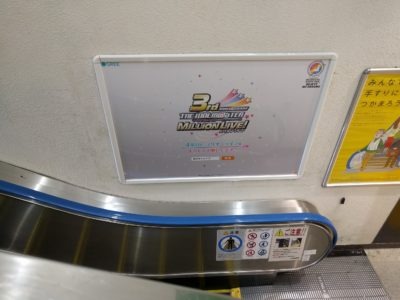
A general feeling of “meh” pervades the author’s assessment of 2016’s anime offerings, attributed to the absence of a show on the caliber of Shirobako. Even mainstream Japanese dramas, like Nigehaji, are noted as just “OK,” suggesting a broad appeal despite the author’s usual disinterest in the genre. Significant effort was made to catch up on older titles, but certain series like Concrete and the CG Berserk were deemed not good enough to warrant attention. The author also expresses a renewed sense of missing voice actress Taneda, despite feeling overwhelmed by her work earlier in the year during Shokugeki no Soma’s airing. The live performance of Aoi Eir in New York is recalled as a highlight, as is a trip to Taiwan that allowed for a reconnection with a neglected part of the author’s past. The year was also marked by considerable work busyness, and the Million Live 3rd tour is described as a life-changing experience.
The review then pivots to a more critical look, presenting “12 reasons why anime is dead.” This section sarcastically critiques various popular or notable titles. The mention of “Your name.” as potentially the “Next Miyazaki” is met with disbelief. The conclusion of Teekyuu is humorously cited as evidence of anime’s demise. The continued existence of Sword Art Online is presented as a self-evident reason for its decline. One Punch Man is described as the “ideal anime” where two episodes suffice for the entire series, implying a lack of substance. The live-action Saki is questioned for its necessity when anime exists, and New Game is criticized for its “harmless, toothless” portrayal of game development. Thunderbolt Fantasy is noted as being better than most anime despite not being one itself. Re:Zero is dismissed with a focus on “wife art,” while Joker Game is deemed too niche for its Japanese power fantasy. 91 Days is suggested as inferior to American TV shows about mobs. The animation of Showa Genroku Rakugo is questioned when actual Rakugo actors could be used, and the prevalence of CG shows, including BBKBRNK and Narnia Girls, is met with skepticism.
In contrast, “12 anime as to why anime is saved, in no order” offers a more optimistic perspective. The Gundam Origin movies are praised for their class and quality, comparable to Unicorn. Sound! Euphonium is recognized as another Kyoani success. “Your Name.” is again mentioned, this time as a potential catalyst for people to move on from Miyazaki. Keijo!!!!!!!! is noted for coming close to the quality of Air Master. Yuri on Ice is celebrated for being a widely enjoyed work by Yamamoto Sayo. Mob Psycho 100 is declared superior to One Punch Man in every aspect. Kizumonogatari is found enjoyable, with Shimbo’s style less bothersome due to its theatrical release. Girls und Panzer der Movie, though technically from 2015, is deemed worthy of mention. Haruchika is described as “most progressive anime ever.” Shelter is acknowledged for its impact. Flying Witch is commended for surpassing Amanchu. Osomatsusan is highlighted as a potential pick for best anime of 2016.
Following this, a ranked list of “12 top anime 2012 (I’ve seen), in order” is presented: Yuri on Ice, Osomatsu, Euphonium, Mob Psycho 100, Keijo, Your name., Re:Zero, Tanaka-kun, Rakugo, Erased, Flying Witch, and Sacred Slayer Matoi. Other notable mentions include Dia no A, Soma, O;9, Flip Flappers, all Gundams from the year, Amanchu, and Ping Pong Girls. Osomatsu was a strong contender for first place throughout the year, but Yuri on Ice ultimately matched or surpassed it. The author expresses a desire to watch Koe no Katachi and Katabuchi’s new movie, noting the difficulty in catching showtimes for Koe no Katachi during a trip to Japan and watching “Your name.” only due to its popularity and convenient showtimes.
“12 anison artists I cared enough to buy from in 2016, in no order” lists Machico, Mia Regina, fhana, AOP, iRis, WUG, Uchida Maaya, Garnidelia, Tadokoro Azusa, Ohashi Ayaka, Trysail, and Hara Yumi. The author hints that the IM@S franchise might be a recurring theme, possibly to be explored in a future year-in-review post.
A list of “12 female characters that I liked? No order. No girl of the year this year from me.” includes Rem, Amelia, Tanaka Asuka, Karasuma Chitose, Yayaka, Mei-chan (High School Fleet), Galko, Tobisawa Misaki, Retoree, Niiyama Nico, Liko-chan, and Shraishi (Tanaka-kun). The author notes difficulty in reaching twelve distinct characters this year.
You might also be interested in : Year in Review 2016: Introduction
A section dedicated to “Random awards” presents various accolades. The Best Nazi Represented in Anime goes to Schwarzsmarken. The Takagaki Kaede Award for Most “Rock” is given to Sekko Boys, with a suggestion for Best Anisama Gag award instead. The Takagaki Kaede Award itself is given to Dagashikashi. The Tada Riina Ogami Tamaki Award for Most “Rock” goes to Show By Rock. Best Mediocre Anime is Ping Pong Girls, considered better than Saki. Best Not Anime is Thunderbolt Fantasy, described as “very Butch, in a Fate/Zero kind of way.” Best Being Live Action Instead is ReLife. Best Post-K-ON Anime is Bakuon!!, also winning the Best 2016 Ueda Reina Award. Best Use of Ohashi Ayaka before BanG Dream is Narnia Girls for its “hego episode.” Best Throwback Anime is Matoi the Sacred Slayer, praised for existing better than its 90s self. Best Anime that Deserves No Awards is Rakugo, despite being fun to watch, questioning its need for animation. Best Use of Historical Sports Achievement is Erased.
Further “Random non-awards” highlight less positive aspects. Worst Milking of Popular IP is She and Her Cat for its terrible execution and poor timing after “Your name.” Most Shameless Sequel is Love Live Sunshine. Most Letdown Story due to Length is Occultic;9. The Most “I Expected More Gay” award goes to Touken Ranbu. Most Shameless Trend-cashing-in is High School Fleet. Most Cool Japan is Idol Memories. Most Misunderstood Anime is MahouIku, with Girlish Number as the Second Most Misunderstood Anime. Most Regressive Representation of Foreigner is Abigail Martinez from Active Raid, though she is noted as hilarious. Least-plausible Right-Wing Fantasy is Joker Game, with Drifters and Gate as runners-up. Least believable portrayal of foreign characters is 91 Days. Most Bad Bad anime is Ninja Slayer, described as “so close to become good, but yet so far.”
The author then expresses a desire to hand out more awards, presenting “Best Romance: Tanaka-kun, Best Action: Mob Psycho 100, Best Yuri-kei: Euphonium, Best BL-kei: Yuri on Ice, Best Eroge Adaptation: AoKana, Best Music: Amanchu, Best Kuuki-kei: Flying Witch, Best Cute Girls Doing Cute Things: Haifuri, Best Mystery: Erased (with a note about Lost Village), Best Animation for a TV series: Mob Psycho 100, Best Comedy: Osomatsu-san, and Best Drama: Euphonium.”
A list of “Twelve anime I wanted to watch/finish but didn’t” includes Arslan, Grimgar, Haikyuu, all noitaminA anime except Erased, Komugi, Lost Village, Macross Delta, Love Live Sunshine, Ajin, Netoge, Bungo Stray Dogs, and Magi. Shows like Nanoha and SAO are mentioned as potential targets for future criticism if needed, but the author lacks the time for such endeavors unless “urgently needed.”
The “Twelve anime industry/news things” section covers significant developments. Amazon and Noitamina’s collaboration, leading to Anime Strike in 2017, is noted. CR’s streamlining of offerings and FUNi’s cessation of operations are mentioned. Netflix’s increasing involvement in Japanese content and anime licensing is highlighted, contributing to the growth of the domestic online streaming market. The Autumn 2016 season is described as the “Most Chinese season of anime,” a trend expected to continue. A humorous note is made about UO ramen poisoning a Korean liver, signaling potential for UO + food consumption to go “asymptotic.” Brexit’s impact on the licensing game is acknowledged as complicating matters. Trump’s presidency is predicted to maintain the status quo for US-Japan trade, with potential changes to the TPP and copyright lobby strategies. The 2015 Janica report indicating growth in the event space is discussed, with a suggestion for Cool Japan to focus on overseas events to extract value directly. The first overseas LisAni event and the Anison Matsuri at AX are cited as landmarks, with a call for more US conventions to host similar events, lamenting the lack of a persistent NYC con. The “Mobage Divide” is seen manifesting significantly in 2016, with F/GO, Chaincro, and GBF expected to widen the gap. “Your Name.” is recognized as a major event, validating Shinkai’s/Comix Wave’s methods and potentially encouraging similar approaches. Crowdfunding is expected to continue impacting independent creators, with “cat porn” being an indicator of its potential.
Finally, “Twelve ‘sports-style’ anime in 2016” are listed, all featuring different sports, questioning if this represents a “peak 1-cour sports year.” The list includes Haikyuu (Volleyball), All Out (Rugby), Ace of the Diamond (Baseball), Hibike! Euphonium (Band), Shokugeki no Soma (Competitive cooking), Bakuon!! (Motorcycling), Prince of Stride (Parkour), Long Riders! (Bicycling), Amanchu (Diving), Ani Tore (Weight training/conditioning), Teekyuu (Tennis/film appreciation), and Cheer Boys (Cheerleading). The author concludes by hoping readers enjoyed the “144 points of nonsense,” admitting that writing them was less enjoyable.
A link to the full “Year-in-review 2016” series is provided, including Introduction, Eventing, Seiyuu music, and N-listing.