UlasanAnime.com – This article presents a collection of free-wheeling thoughts on various topics, ranging from personal hobbies to observations on recent anime seasons and broader cultural discussions.


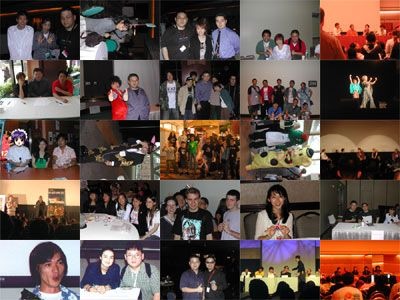
- Eventing, while expensive, serves as a beneficial stress reliever.
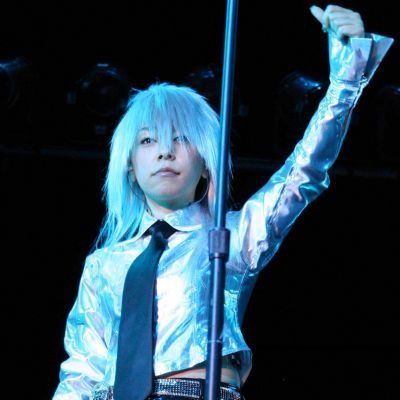
- Unfortunately, engaging in eventing leads to a backlog of weekly anime viewings. The author is gradually catching up, but prioritizes “Hinamatsuri.” A recent trip to Japan, where the author witnessed Rietion perform solo, highlighted the advantage of being up-to-date with “Hinamatsuri,” especially given the author’s fondness for the show and the character Anzu. This made the experience even more enjoyable. However, surprisingly, “Hinamatsuri” was not the most crass anime of the season; that distinction belongs to “Golden Kamuy.”
- “Golden Kamuy” is described as a western, a genre the author didn’t realize they wanted in anime form until watching it. It masterfully blends crude humor (related to “dick and poop”) with strong world-building and a compelling narrative. The anime also incorporates undeniable Western elements, such as a “white man” collaborating with a “native woman” to survive outside of civilization, and even features a “murder hotel” episode. This evokes a feel similar to Quentin Tarantino films, but approached from a “cool” rather than “soulful” perspective.
- “Soul” is the term used to describe “Megalobox.” Thematically, it’s seen as somewhat regressive, focusing on a “two dogs fight” mentality regardless of the cost. The author suggests that if the salvation of humanity’s souls depends on such depictions, it’s no wonder humanity struggles. Nevertheless, “Megalobox” is acknowledged as a somber homage to the “Ashita no Joe” concept, even beyond its literal tributes. The overall package is perceived as having a lot of “soul,” though the author admits to struggling slightly with its science fiction roots.
- This situation is compared to “Hisomaso” (Hisone and Masotan), where the story clearly revolves around the lives of women in the JSDF and Japan in general. However, the author finds themselves unable to fully engage with it due to the presence of “fighter jet dragons,” their aesthetics, and the overall concept. This sentiment reflects a certain level of discourse.
- Furthermore, “Shokugeki no Soma” this season is argued to do a better justice to Hokkaido than “Golden Kamuy,” which is considered a significant achievement. In remembrance of the late food celebrity Anthony Bourdain, the author notes that works like his, and “Shokugeki no Soma,” truly capture the essence of why people eat the way they do.
- Recently, the author has observed people referring to IPs, cartoons, or games featuring idol characters as “idol things.” While understanding the reasoning, the author feels these terms are often used without fully appreciating the distinctions between different types of idol performances. The core of this concern lies in the difference between an actor portraying a fictional character and a real-life idol. An actor playing an idol performs similarly to real idols on stage but operates within a different reality. One finishes a job and goes home, while the other is immersed in the actual idol industry. Crucially, one is fiction, and the other is reality. At best, it’s a hybrid reality where fiction plays a role, and it deserves recognition distinct from the other form of reality being discussed.
- This blurring of fiction and reality is also seen as a curious phenomenon that many Westerners seem to overlook. The author admits it’s not an easy distinction to maintain, partly due to the evolution of language. A headline from Anime News Network is cited as a particularly egregious example of this misunderstanding, potentially an error that would be corrected by industry insiders if published by a Japanese site. This casual use of the term also extends to platforms like Twitter.
- Otakon this year is scheduled to coincide with a demonstration involving a white supremacist group in downtown D.C. This event is likely to attract counter-protesters and a significant police presence. While it’s reasonable to be aware of and concerned about the situation, the author believes a repeat of last summer’s tragedy is unlikely, attributing the failure in Charlottesville to the police. D.C. police, accustomed to year-round protests, are expected to handle the situation differently.
- Reflecting on Otakon, the author notes that summer is here and shifts focus to the upcoming Anime Expo (AX) party they are hosting. They express the challenge of “dying trying to break even” on the event and invite readers to attend their party at AX for a good time. The team is also attempting to bring a new Japanese DJ to the lineup, an announcement the author is eagerly anticipating.
You might also be interested in : AnimeNEXT 2018: Recap