UlasanAnime.com – In today’s fast-paced world, finding a moment of peace with a warm cup of tea can be incredibly restorative. This desire for tranquility is especially potent during the holiday season, amidst the ongoing COVID-19 waves and the year-end work rush.
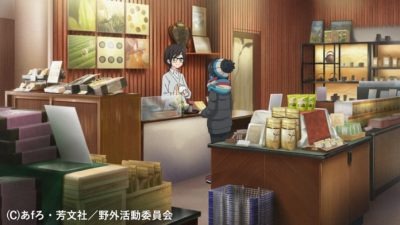
To achieve this, I recently opened a bag of Himekura tea. This review is perfectly timed with the approach of the Winter Solstice.
Himekura is a special collaboration tea brought to you by Kimikura, a tea maker from Shizuoka, and the popular anime series Laid-back Camp. You can find more details about this unique product tie-up [here](https://anitrendz.net/news/2021/09/05/laid-back-camps-rin-shima-featured-on-green-tea-package/). As of this writing, it appears this product may have been discontinued, and its availability is uncertain. The Kimikura online store no longer features the product, but its online presence ensures information remains accessible. The provided link offers additional promotional material from when the tea was first announced earlier this year.
Before diving into the tea itself, let’s briefly explore Sencha. Sencha, a type of Japanese green tea (ryokucha), undergoes a process where steamed or boiled leaves halt fermentation after harvesting. These leaves are then dried and processed similarly to standard tea. Unlike Matcha, sencha is enjoyed like conventional green tea across Asia. It involves steeping the finished product in hot water (around 175°F or 80°C) for a short period before consumption. For Japanese people, sencha is an everyday beverage, while Matcha is considered a more refined tea for special cultural occasions or increasingly used in culinary applications.
Himekura is a fukamushi style sencha that has been aged over a summer. Fukamushi sencha is characterized by a longer steaming time, typically 90-120 seconds, compared to the 30 seconds used for asamushi sencha. Given that fukamushi sencha originated in Shizuoka, it’s fitting that this collaborative tea adopts this method. Standard sencha, with its shorter steaming, often retains a more bitter profile. The aging process before roasting further mellows the typical sencha edge, resulting in a milder tea. This information is paraphrased from [this source](https://lilikutea.com/blogs/column/light-steamed-sencha-or-deep-steamed-sencha).
Fukamushi sencha possesses a smooth, soup-like quality and is milder than regular sencha, such as that found in an Itoen tea bag. The addition of the aging process to Himekura tea creates a mild and sweet initial flavor, followed by a deeper sencha taste. As the tea cools, the sweetness subtly gives way to a fuller-bodied flavor that is characteristic of the familiar sencha experience. It’s quite remarkable to find a tea with a naturally sweet taste, derived purely from tea leaves without any additives.
You might also be interested in : The Final Evangelion Film
The overall effect of Himekura tea is one of calmness and soothing comfort, embodying the “Rin-right-on-the-bag” essence. It is particularly perfect for the current season. In fact, I found myself falling asleep during my very first cup of Himekura, suggesting it truly lives up to its relaxing promise.
Priced at approximately 1480 yen per package, with each pack containing 15 tea bags, Himekura is reasonably priced, especially considering its boutique nature and its status as licensed character merchandise. While high-quality tea can command prices in the hundreds of dollars per pound, at 2.5g per bag and 15 bags per package, this tea equates to nearly 40,000 JPY per kilogram. However, it’s important to note that it comes in convenient tea bags. This pricing aligns with the idea that it is ultimately a tea for tea enthusiasts. It might not be a universally appealing choice unless presented at the opportune moment.
As is common with sencha, particularly deeply steamed sencha, the tea leaves tend to break down during the roasting process. This means a significant portion of the tea infuses into the hot water during steeping. Consequently, a short steeping time is crucial, along with maintaining the correct water temperature. The packaging suggests 30 seconds at 80°C (176°F), and my kettle’s 175°F setting, typically ideal for green teas, works perfectly.
Tea has been a cherished beverage for millennia, and it’s gratifying to discover anime collaboration teas that genuinely hit the right notes for an East Asian tea connoisseur. My previous experience with an anime tea involved a very potent, umami-forward sencha that was challenging for my palate, which isn’t accustomed to such intense flavors daily. One could categorize this as a “morning tea” versus a tea for “vibing in winter camping,” perhaps.
You can learn more about this collaboration and Kimikura [here](https://re-how.net/all/1312569/). The Shizuoka tea shop offers a diverse range of products online, including other teas that share similarities with Himekura. It’s certainly worth exploring if you have an interest in discovering regional Japanese teas.