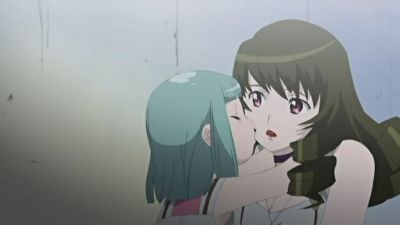
UlasanAnime.com – The anime series Simoun presents a surprisingly pure kiss scene, standing out in the past year’s releases. The show’s narrative progression draws parallels to Utena, employing a subtle bait-and-switch tactic. Initially, expectations were placed on Ouran Host Club, but it ultimately disappointed by spending its initial episodes satirizing shoujo manga and resorting to common shonen tropes. It wasn’t until episode 13 that the series delivered a more substantial experience, though the enigmatic atmosphere established early on had dissipated by then.
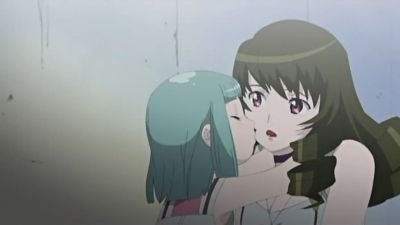
In contrast, Simoun wields its narrative with an intensity reminiscent of Glass no Kantai. A significant challenge in appreciating Simoun lies in the translation quality, as only one “good” fansub was found, and even that read somewhat poorly. Translating Simoun is akin to tackling 12 Kingdoms without the benefit of source material. While the pacing isn’t breakneck, the sheer volume of events in the first eight episodes can be overwhelming if one isn’t fully engaged. This rapid unfolding of plot initially led to a sense of boredom, with viewer investment only growing as the characters’ introspection became more apparent.
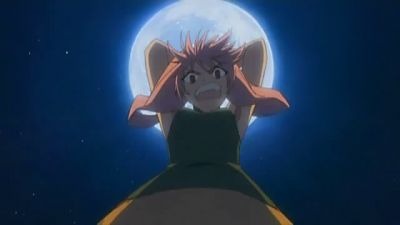
The series prompts viewers to engage with Nevile’s inner turmoil, ponder the distinctions between Mikos and Galaxy Angels, and decipher character identities. For many, the most captivating element is the unique setting: a world where individuals are born genderless and later choose their gender, or have it determined by a local deity or doctor. This societal structure transcends mere theocracy, suggesting a deeper, almost cosmic, influence on Tempuspatium.
This aspect indeed evokes the complexity found in 12 Kingdoms.
You might also be interested in : The Starry Divide
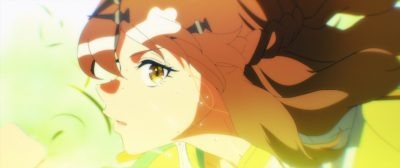
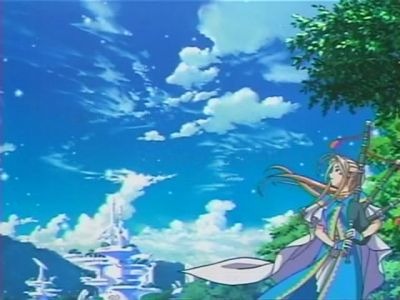
Another notable characteristic of Simoun is its distinctive visual style. While perhaps not the most groundbreaking animation, it becomes more palatable when viewed after other, more demanding series, offering an average aesthetic that still holds its own.
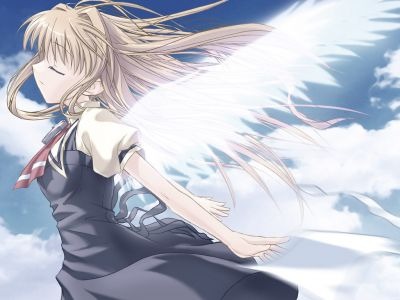
Despite these points, Simoun remains a story centered around a group of young women, even if their technical classification is nuanced. It’s difficult to dislike a cast of twelve, especially considering those on active duty. A further point of interest is that a significant portion of Simoun’s adult population also presents with feminine appearances, described as “fememine guys with boobs.” While the appeal of this might be subjective, the show’s upfront explanation of these elements is commendable. This clarity, coupled with the rapid narrative progression, made effective use of the initial episodes and builds anticipation for future installments, making a premature conclusion at episode 13 unlikely.
The primary reason for discussing Simoun is its remarkable thematic delivery, which forms the core of the series. Grasping these themes is crucial for understanding the characters’ actions, their emotional depth, and the overarching narrative. This thematic richness is also what made 12 Kingdoms so compelling, though that’s a topic for another discussion.
Simoun facilitates this understanding by presenting character motivations with clarity and diversity, much like the varied ensemble itself. The series explores universal themes of maturation, overcoming rejection, betrayal, obstacles, emotional hardship, adversity, and self-discovery. It delves into the loss of innocence, the concept of the lost innocent, and indecision driven by external circumstances. While the large cast and their neatly paired relationships might seem like a narrative shortcut, they effectively serve the story. Minor quibbles regarding character personalities exist, and episode 12, in particular, raised some concerns.
Nevertheless, the progression of these characters, including Dominura, is compelling. Observing Aeru’s growth and Nevile’s interactions with Paraietta promises further development. The central triangle of characters is so impactful that even minor figures draw viewer interest. Whether Simoun ultimately succeeds or falters remains to be seen.