UlasanAnime.com – As genres evolve and are redefined, there’s a natural inclination for creators to leverage familiar tropes to capture specific audiences. This practice mirrors the “genre innovation” model observed in the video game industry, particularly with Nintendo’s strategies.
From a less charitable viewpoint, this trend can be traced back to successful, genre-bending works like Love Hina and Ranma 1/2. These influential series sparked a wave of imitation, much like recommending a show by comparing it to a popular one, even if the resemblance is superficial. This creates an incentive for creators to mimic successful formulas.
There’s nothing inherently wrong with mimicry as a creative starting point. However, when a genre becomes so rigidly defined through excessive imitation that its core elements can be randomly assembled to form a premise recognizable as an existing work, it signals a problem. This isn’t just about absurdity; it’s about a lack of originality that fails to establish a solid creative foundation.
You might also be interested in : Do You Love Ufotable? Check This Out!
Fortunately, the anime industry has found ways to break free from such creative stagnation. When observers, even those without prophetic insight, can recognize this shift, it indicates a broader audience sentiment. Tsuyokiss serves as an example, subverting the typical harem narrative by adapting a bishoujo game with a reversed premise.
However, even such “obvious” tricks don’t always guarantee originality, as seen in the trite attempts at entertainment in shows like TonaGura. When slapstick comedy becomes the defining characteristic, the work struggles to achieve lasting impact.
What Tsuyokiss and similar shows highlight is the audience’s readiness for something more. While some series still rely on predictable tropes, shows like Higurashi and Negima offer a subtly different vibe. In the post-Love-Hina era, shonen romance series often carry the “harem” taint, and audiences are growing tired of it.
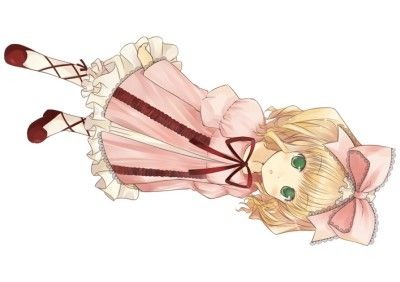
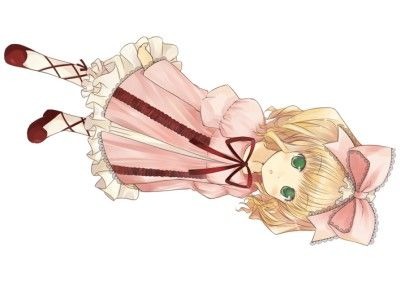
Instead, viewers are seeking the familiar elements of harem narratives—the relationships, the characters, the lightheartedness—but outside the traditional harem context. This can manifest in various ways: the desexualization of the context, as in Rozen Maiden; a focus on mood over drama, seen in Aria; an emphasis on drama, as in Mai-Otome; or pure comedy with minimal other elements, like School Rumble.
These shows, while containing “harem-like” elements, do not structurally present themselves as traditional harem series. This raises the question of where the industry is heading next, a question also being pondered in other media, such as the MMORPG development scene.