
UlasanAnime.com – The anime series Gatchaman Crowds presents a distinct visual aesthetic that mirrors the nature of social media, particularly platforms like Tumblr and Pinterest. This visual style is evident in the depiction of the MESS system, which resembles a collection of small, moving, single-colored cubes, and the offkai, portrayed as a vibrant collage party.
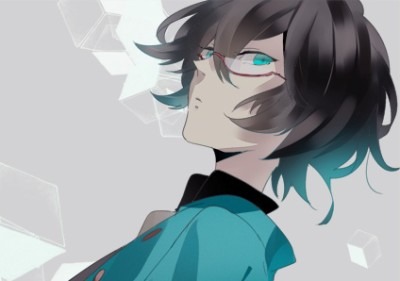
This visual approach seems to directly correlate with the anime’s exploration of how information is shared and exchanged in contemporary society. The way users interact and disseminate content within the show’s fictional social network, GALAX, is reminiscent of the clip-art style of sharing and the bite-sized units of information prevalent on platforms like Tumblr.
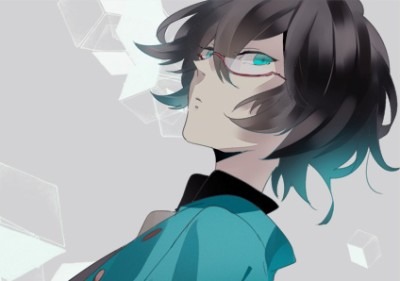
The comparison to Tumblr is particularly apt. GALAX, in its ambition to be a labor organizational platform, is described as a colorful, dream-like collage. While GALAX has its recognized shortcomings, the anime even labels episode 3 as “Futurism.” This episode touches upon the idea of individuals who view those who don’t subscribe to altruism as “enemies,” a concept that raises questions about its compatibility with certain political ideologies like communism, especially when such systems might not require the immense computational power of a “logistical supercomputer powered by Tange Sakura.” The author humorously suggests this might be why communism struggles in practice.
While the author acknowledges that platforms like Twitter and live chat forums are closer realizations of Web 2.0 fantasies, Gatchaman Crowds’ GALAX is noted for its bold approach. The anime’s depiction of students fighting against their teachers, symbolizing a challenge to the establishment, is seen as a powerful metaphor for GALAX’s broader objectives. This stands in contrast to other series, such as DRRR, which might be perceived as more focused on tribal or status-quo dynamics rather than fostering a sense of unity across different social strata, as GALAX aims to do in a more altruistic manner.
It is this underlying sympathetic nature, embodied by characters like Hajime and her companions, that the author suggests is lacking in certain “sjw types.” This perceived lack is also linked to the common complaints of older generations and the often-cited adage that “the road to hell is paved with good intentions.”
You might also be interested in : An Introduction to the Animusic Tournament Bracketology
However, the author also points out the surreal or perhaps unrealistic aspects of the anime’s narrative. An instance where a “sketchy lawyer” converses with a mother is met with a humorous, incredulous reaction, suggesting a level of absurdity that prompts the author to playfully ask for “the pipe.” This highlights how the anime, while exploring serious themes, also incorporates elements of the bizarre and exaggerated.





















