UlasanAnime.com – Looking back, “Pumpkin Scissors” stands out as a concept executed with considerable skill. Unfortunately, the concept itself is rather uninspired.
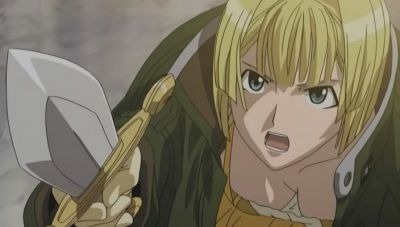
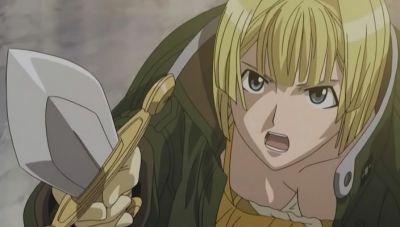
The very fact that this series warrants a discussion suggests there’s at least some merit to be found. To be fair, the show excelled as a character-driven narrative. Viewers were given ample opportunity to connect with the cast, and even the smaller, episodic segments introduced interesting side characters. The episode featuring Loli Chiwa was particularly enjoyable, as was the Stekkin episode. The effectiveness of the penis jokes, however, remains debatable.
Nevertheless, this does not justify transforming the final seven episodes into an extended, Dragon Ball Z-esque saga, where a single scene would span across six episodes.
An enjoyable irony exists between Alice’s role as a noble, a discovery she makes gradually throughout the series, and her duties within the army. This latter aspect is clearly explained when she elaborates on the origins of “Pumpkin Scissors.” Unraveling this particular nuance is part of the viewing pleasure, so I won’t spoil it for you.
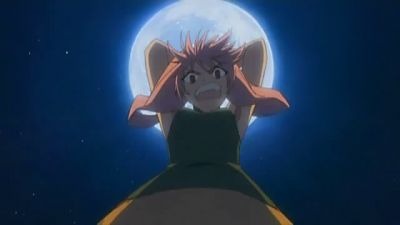
The idealized portrayal of Alice is truly the most captivating aspect of this anime. Shizuka Itou delivered a remarkable performance, bringing the character to life. Her character design is subtly appealing, with minimal emphasis but significant impact at crucial moments. Her stance is one of simple idealism, challenging complex ethical and moral ambiguities and offering convincing resolutions, at least enough to provoke thought. She is not afraid to confront conflict but possesses the wisdom to understand her position.
You might also be interested in : Signs of Trouble
The unsettling part is how easily I can relate to her thought processes and the values she upholds. This realization is somewhat concerning…