UlasanAnime.com – The author of this article expresses a differing opinion from Chris B.’s simulcast coverage, particularly regarding the anime series “Steins;Gate” and “OreTsuba,” which are personal favorites. Chris B.’s assessment of “Sket Dance” is also touched upon, suggesting a misunderstanding of its appeal. The focus, however, remains on “Steins;Gate” and “OreTsuba,” where the author believes Chris B. fundamentally misinterpreted the shows.

To support the argument about “Steins;Gate,” the article references a Crunchyroll AMA on Reddit. In this discussion, Crunchyroll staff listed “Steins;Gate” as one of the shows that performed better than expected. This contradicts Chris B.’s statement that he was often surprised the show hadn’t been canceled, especially as it approached its halfway mark.
The author posits that Chris B.’s comments on “Steins;Gate” might have been more applicable to a show like “Serial Experiments Lain.” Despite potential initial criticisms of “Lain,” it eventually sold well, suggesting that even shows with slower starts or unconventional approaches can find an audience. The author feels Chris B. is missing the significant positive elements within “Steins;Gate” that contribute to its growing viewership and appeal.
The core of the disagreement, according to the author, lies in Chris B.’s apparent lack of understanding of what the current simulcast-viewing audience seeks. This audience, it’s suggested, may differ from those who traditionally purchase anime on DVD in America, a demographic Chris B. might represent more accurately.
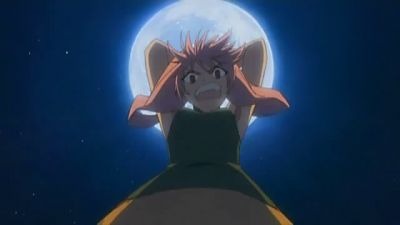
 Regarding “OreTsuba,” the author acknowledges that taste plays a significant role, especially concerning fanservice. However, the author takes issue with Chris B.’s criticism, particularly his description of “OreTsuba” as having “surprisingly raunchy and poor taste moments” that prevent it from working well. The author questions Chris B.’s authority on taste, given his extensive reviews of “porn anime” and his past high rating of “Kanokon.”
The article suggests that Chris B.’s decision to “actively drop” “OreTsuba” might, ironically, be a sign of its originality, implying it’s unlike anything he has encountered before. The author uses a humorous analogy to describe how “OreTsuba” doesn’t rely on conventional tropes but instead becomes a meme in itself, a brilliance that lies in its execution.
The author believes Chris B.’s inability to appreciate such a show stems from a failure to recognize the potential method behind its perceived madness. While acknowledging that “OreTsuba” might be overly clever, the author notes that Chris B. didn’t even reach that critique. A humorous hope is expressed that Chris B. will never review “Seitokai no Ichizon.”
A significant disappointment for the author is Chris B.’s apparent lack of engagement with the “new wave of meta anime,” particularly those that incorporate fanservice. The author observes that the iterative nature of seasonal TV anime in Japan is evolving, with new directions emerging in the past couple of years.
While established, traditional anime may continue to sell, the author argues that reviewers like Chris B. need to acknowledge these emerging trends. Failure to do so, the author contends, leads to missed opportunities for organic fanbase growth. The author hopes that companies like Funimation will invest in and promote titles like “OreTsuba,” seeing them as potentially low-risk ventures.
The article concludes by stating that if the goal is to convert seasonal simulcast viewers into DVD owners in the future, a perspective like Chris B.’s may not be sufficient. The author believes that the evolving landscape of anime requires reviewers to adapt and recognize new forms of storytelling and appeal.
You might also be interested in : The Art of Deception: A Look at Con Artists
Finally, the article touches upon the commercial aspect of anime licensing and dubbing. The author questions the value of these decisions beyond marketability and target audience. As an example, the author finds it difficult to understand how a show like “Lotte no Omocha” could be marketed, given its complex and potentially controversial premise, yet still warrants a license according to Chris B. The author, while watching “Lotte no Omocha,” finds it to be an acceptable show for what it is.