UlasanAnime.com – The concept of “fanservice” in anime, often a subject of debate and criticism, can be re-examined through the lens of intentionality and audience engagement. While frequently associated with gratuitous sexual content, fanservice, in a broader sense, encompasses any element designed to appeal to a specific segment of the audience, even if that appeal is not overtly sexual.
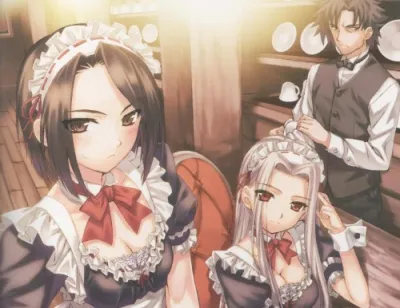
This perspective suggests that even verbose exposition, like the detailed explanations of the Holy Grail War in Fate/Zero, can be considered a form of fanservice. The argument posits that such detailed descriptions cater to a specific audience—those deeply invested in the lore and intricacies of the Nasuverse. This approach to understanding fanservice aims to move beyond a simple judgment of its presence to an analysis of its purpose and its intended impact on particular viewer groups.
The author draws a parallel between sexual fanservice and other forms of prurient material, noting that both are often viewed with a singular, sometimes pejorative, purpose. However, this view may not fully capture the nuanced role fanservice plays in contemporary anime and popular media. While pornography might offer entertainment, its function is often perceived as distinct from that of broader entertainment media. The author acknowledges a lack of expertise in pornography but speculates on its potential for entertainment value comparable to non-pornographic content.
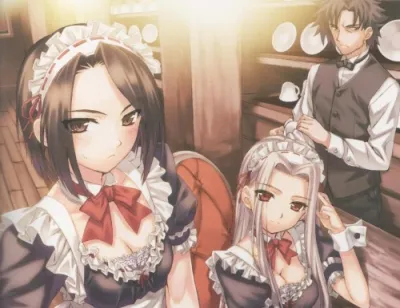
Returning to anime, the classic example of a “panty shot” is presented not merely as an exploitative element but as something that can serve a narrative or pacing purpose. A prime example cited is Kara no Kyoukai #1, an early work by Nasu. In this otherwise serious and somewhat somber film, a panty shot can act as a punctuation mark, triggering a predictable response from the predominantly otaku audience and serving as a brief respite or “pick-me-up” within the hour-long runtime.
The hypothetical inclusion of a cute, non-exploitative fanservice scene in the first episode of Fate/Zero is considered. While it might not win over viewers uninterested in the material, it could potentially enhance the pacing for those who are interested in otaku media but not necessarily deeply invested in the Nasuverse lore. This suggests that even seemingly superficial elements can contribute to the overall viewing experience and serve specific structural or engagement goals.
You might also be interested in : The Educational Entertainment of Chihayafuru
The core argument is that fanservice in anime often serves a purpose, and much of what is perceived as pandering today is intentional. The critical aspect, according to the author, is to understand the context and the reasons behind why a particular type of fanservice is employed for a specific audience. This focus on “why” is deemed more productive than simply criticizing the presence of fanservice.
This perspective aims to address a common pet peeve: the dismissal of anime titles based on what are presented as objective criticisms, but which may, in reality, stem from a simple lack of personal interest. In the era of readily available anime databases and online information, it’s argued that it’s more honest to acknowledge that certain stylistic choices, like “battle manga” characterization or plot progression, are simply matters of taste. These elements are seen as interchangeable components that some viewers will appreciate, while others will not.
The author suggests that the focus for otaku often shifts to the execution of these elements. This is seen as a contributing factor to the rise of “sakuga” (animation) enthusiasts abroad, as they begin to appreciate the craft behind the visuals. While most anime have plots and characters, the way they are written and developed often stems from a conceptual framework, a set of “checkboxes” that inform the execution to make the most sense within that context. Attempting to find something where it’s not intended can be akin to fitting a square peg into a round hole.
Therefore, using this expanded definition of fanservice, content that panders to a specific group a viewer is not part of, or even actively dislikes or is unaware of, can detract from the viewing experience. When such viewers encounter Fate/Zero episode 1, they might grasp its role in characterization and world-building, but the extensive exposition could appear dry. This scenario is contrasted with a prudish viewer encountering sexual fanservice, where the scene might signal that the show isn’t for them. In Fate/Zero‘s case, the viewer might simply miss out on the entertainment aspect, leaving them with only the “dry crumbs” of dialogue-heavy exposition.
The author notes that the double-length first episode of Fate/Zero aimed to educate and entertain. However, viewers not interested in the more niche aspects of the Nasuverse or unaware of them might miss the entertainment component. A lighthearted suggestion is made that perhaps playing a game like karuta could have provided a more accessible form of engagement.
The decision by ufotable to present the exposition in this manner is understandable, especially considering Urobuchi’s tendency towards dense explanations (like the entropy lecture in Madoka Magica). Given the compressed nature of the first episode, which needed to cover essential groundwork before reaching the more action-packed “money shots,” integrating referential entertainment and niche interests might have seemed the most logical approach. However, this style is not what a Western, Hollywood-influenced audience is accustomed to.
As a personal anecdote, the author relates their experience with Game of Thrones. It took several episodes (2-3 hours) to grasp the character names and relationships, a duration comparable to Fate/Zero‘s first 1-3 episodes (under 2 hours). Ultimately, the author dropped Game of Thrones not due to a lack of quality or poor execution by HBO, but because they disliked the “fanservice”—both the sexual kind and the pandering to book readers who appreciate intricate details.
This overall concept of fanservice is presented as the underlying reason for the author’s previous assertion that Fate/Zero panders to otaku. Even setting aside the pandering aspect, the show offers much to appreciate from a general “nerd-geek” perspective. It features familiar historical figures, visually excellent action, a dynamic and expansive plot, and a well-developed cast of characters, particularly from the perspective of the original novels.
In essence, the author circles back to agree with the notion that Fate/Zero might have clumsily executed certain aspects in its adaptation. However, the reasons behind these perceived shortcomings are suggested to be different from common criticisms. For someone invested in the Nasuverse, the first episode is arguably intriguing, even if it is dense with information (TL;DR). Others might argue that its density is precisely the issue.