UlasanAnime.com – My inaugural Anime Weekend Atlanta (AWA) experience in Atlanta proved to be a thoroughly enjoyable one. While the city offered tourist attractions like the World of Coca-Cola, the overall positive sentiment stemmed from engaging in fun activities and savoring good food, despite the considerable expense. It’s difficult to ascertain how much of this enjoyment was directly attributable to the convention itself versus the Southern hospitality and distinct local culture.
Regarding the convention’s operations, my interactions were largely positive. I spent a significant portion of my time within the convention hotel, where I was also staying. The hotel’s striking open, well-like architecture featured a central pit area on the ground floor, with the rest of the hotel’s approximately 14 floors surrounding it. This design, however, contributed to considerable noise levels when hotel room doors were opened, which occasionally disrupted attempts to watch screenings with the door slightly ajar.
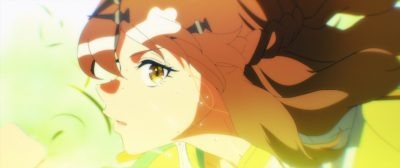
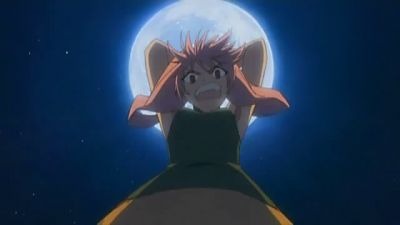
During the event, I had the opportunity to watch the first two episodes of Karen Senki. I also managed a brief conversation with Ouji Hiroi, which I will elaborate on later. His presence at the convention added a notable level of credibility. It appeared he was present due to Crunchyroll’s involvement, as he was not prominently featured on the official schedule or promotional materials, a point of surprise given Crunchyroll’s responsibility to promote their guests.
The screening of Karen Senki’s initial two episodes, totaling about 20 minutes of anime, was an interesting experience. The most noteworthy aspect was the revelation that Hara Sayuri lent her voice to the titular character and her sister.
The remainder of my time was dedicated to pursuing a primary objective: discreetly observing a certain individual whose identity I am unable to disclose. As this was not a guaranteed endeavor, the failure to achieve this primary mission was met with acceptance, given the successful completion and enjoyment derived from secondary objectives.
The World of Coca-Cola, for instance, felt akin to a colossal chamber designed for commercial indoctrination through sweet syrup. While it was a unique experience, its recommendation comes with a caveat; the only truly positive aspect was the extensive soda sampling, offering over 80 different Coke products, including more than 30 international varieties.
The culinary experiences were exceptional. The steaks were particularly good. Heirloom Market BBQ stood out as an exemplary representation of fusion American cuisine. We also dined twice at Local Three, a choice that significantly impacted our budget. Despite its extensive selection of Kentucky bourbon and similar beverages, I abstained from trying any. The restaurant also featured Suntory Hibiki, a temptation difficult to resist for enthusiasts of aged spirits.
You might also be interested in : Japanese Music Sales: An Overview
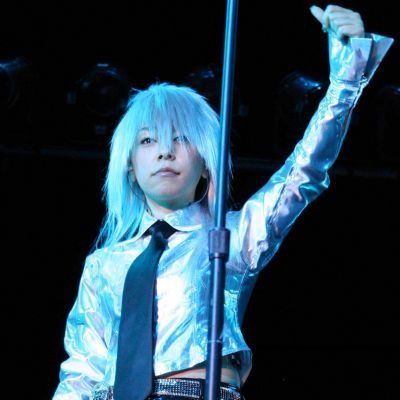
Shifting focus to other secondary objectives, MIQ delivered a remarkable performance. Reflecting on legendary anison singers, she undoubtedly ranks among the top tier, alongside figures like Aniki and Horie Mitsuko. The convention’s concerts, with the exception of the enduring Shonen Knife, largely consisted of cover performances. VLOMIQ, a group comprising 11 of MIQ’s students, also performed at AWA, presenting an entirely cover-based setlist. Combined with Ardith’s amateur cover group, Konjos, and the Vocaloid DJs at the rave, the weekend was replete with cover music. While this was generally well-received by attendees, there was a sentiment that a stronger focus on original music, particularly from older eras like J9, might have been beneficial.
Loverin Tamburin provided a welcome energetic addition to the convention, notable for their unique stage performance involving a double outfit disrobing.
Ardith is perhaps the most recognized figure in the old-school English-language anime fan community, having spent considerable time in Japan pursuing her career and co-authoring several works. Beyond the ethnographic perspective, her involvement in various aspects of fandom was compelling. Similarly, the ongoing success of routines like “Nihongo de OK” and “Mirai de Neiro” on the East Coast, particularly the “Go Miku go” segment, was consistently entertaining.
While I’ve previously described Animazement as a relaxed event, AWA shares a similar laid-back atmosphere, contributing to its overall enjoyability. This was further enhanced by the lively Thursday night flea market. However, without a robust guest lineup comparable to Animazement’s, AWA can represent a significant investment, which explains my decision to attend only this year.
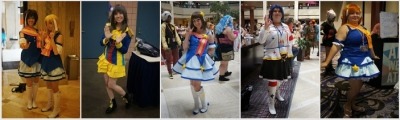
The convention also hosted panels for Love Live! and Idolmaster. I was only able to attend the Love Live! panel, arriving in my WUG attire. Unfortunately, I missed the Idolmaster panel due to an encounter with VLOMIQ. I did, however, spot several Idolmaster cosplayers in Forever Star ☆☆☆☆ outfits, which was a pleasant surprise. Additionally, a fellow attendee cosplayed as Star Piece Memories Azusa, marking a higher number of Idolmaster cosplayers than I had anticipated. On Sunday, a MayuC cosplayer was also present, which was exciting even though MayuC is not my personal favorite character. These developments were highly encouraging.
A “loot shot” is absent as I made no significant purchases. I did acquire a few items from MIQ and VLOMIQ as souvenirs, along with some lighthearted all-ages doujinshi from the Thursday night flea market.