UlasanAnime.com – The year 2011 marks a significant period of personal transformation and pivotal moments. For you, this translates to a considerably reduced availability of free time for my usual endeavors. Rather than producing twelve retrospective blog posts about the year, I’ve decided to dedicate my holiday vacation, energy, and unwavering patience, enduring the crowds and traffic in the cold, to a personal challenge.
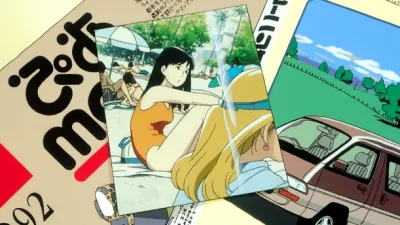
The challenge involves attending twelve Ghibli theatrical screenings, all presented in 35mm, running from December 16th to January 12th.
I admit, I’m not entirely familiar with the “Twelve Days of Christmas” concept. I believe it’s typically counted from December 25th, not starting from the 13th. This approach allows me to encompass both. Apologies, Shawn, but the $100 “Record of Lodoss War” Blu-ray box set doesn’t quite match the value of $100 in movie tickets for this exceptional opportunity, graciously provided by the IFC Center and GKIDS.
I specified twelve theatrical screenings because I’m uncertain if I’ll manage to see twelve distinct films. I am definitely planning to watch “Totoro,” “Kiki’s Delivery Service,” “Porco Rosso,” “Whisper of the Heart,” “Ocean Waves,” “Nausicaä of the Valley of the Wind,” “Pom Poko,” and “Only Yesterday.” I might also consider “My Neighbors the Yamadas.” Ultimately, I’ll decide as I go.
You might also be interested in : Mandarake Online: A Gateway to Spending Too Much
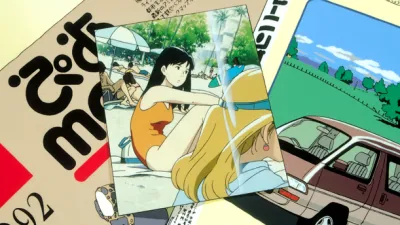
I recall someone remarking that the essence of being an otaku lies in the exploitation of nostalgia. I can see this perspective, particularly when considering the ideal otaku—not the Western interpretation of the term, but rather the Japanese salaryman who can afford to own an anime collection on Blu-ray. This involves a childlike fascination that has escalated into a consuming passion, often contained by a facade of societal expectations, pride, the desires of others, fear, and a sense of self.
In my opinion, few things evoke a stronger sense of memory than Ghibli films. They represent the very core of modern otaku culture. One could even argue that the concept of “moe” can be traced back to “Nausicaä” (and perhaps even further), wouldn’t you agree?
Considering all of this, I’ve decided I will, in fact, write a few posts after all.