UlasanAnime.com – As the anime adaptation of Amagami SS concludes its run, it has showcased a novel approach to visual novel storytelling by adopting an omnibus format. This structure allows for individual character arcs to be explored without relying on a continuous, overarching plot, a common characteristic of multi-branching ADV games.
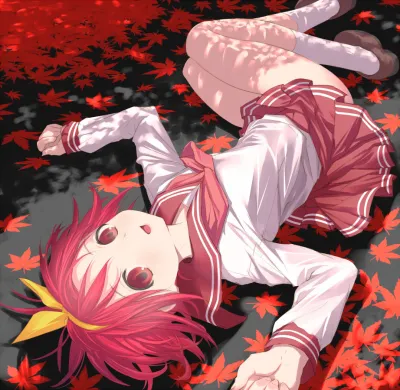
 The female characters in Amagami SS are generally well-received, and as previously noted, each is designed to resonate with a particular segment of the audience, ensuring a diverse appeal. Even Risa, the final bonus character, manages to be entertaining. Her actions, though questionable, are presented in a humorous light, and her inclusion, even in this recap-style format, contributes to the overall characterization of the six main protagonists.
You might also be interested in : Asking John About Kara No Kyoukai
It is important to avoid comparisons that might lead to dissatisfaction, such as the notion that Akari receives a better ending than Rihoko. Such sentiments could inadvertently portray Akari in a “yandere” light, which might detract from her intended characterization.
On a more serious note, Rihoko embodies the classic “osananajimi” trope, which is perfectly acceptable if she positions herself within the friendzone. This is where she seems most comfortable. Her situation is comparable to Risa’s perspective, with the key difference being Rihoko’s genuine selflessness. The progression of her relationship with Junichi ultimately rests on his initiative, and Rihoko does not wish to impose any pressure on him. Her primary concern is their continued togetherness, implying that the specifics of their romantic status are secondary to their existing bond.
Despite being over a decade old, the To-Heart series remains a quintessential representation of a core element within the bishoujo anime, game, and broader cultural landscape. It is highly recommended for those who have not yet experienced its unique charm.