UlasanAnime.com – This review offers a personal perspective on North American anime conventions, focusing on the author’s experiences and preferences. The author, based in the NY region, considers factors like travel costs, the presence of Japanese guests, and personal time value. Having attended anime conventions for over 20 years, the author limits this review to cons attended in the past five years, prioritizing those with significant Japanese guest appearances.
The goal is to provide concise and easily comparable reviews, presented as pros and cons. This approach aims to offer a different framing than the author’s usual long-form write-ups. General estimates of “JP guest count” are categorized as “few, some, quite a few, a lot.” Conventions are further broken down by size: small (
Sakuracon
Sakuracon is a large, city-center convention held in Seattle. Its urban setting and the charm of Seattle contribute to its appeal. Typically occurring around Easter, it often clashes with Anime Boston. The convention center itself is described as one of the more unusual venues. The author attended once in 2014 and expresses a desire to return, using the experience as a reference point alongside attendance at Anime Boston, Japan, and other events.
Pros:
- Easy access to city resources and nightlife.
- Convenient housing options.
- Mass transit is available, including to the airport.
- Usually features a good number of Japanese guests, though music guests can be hit or miss.
- Includes a “Meet the guest dinner” event.
- Coincides with the start of a new anime cour.
Cons:
- Seattle’s cost of living makes the convention relatively expensive.
- The venue is starting to feel a bit small for the con’s growing size.
- Inner-city issues, such as panhandling, are more prevalent than in other cities.
- The Japanese guest lineup can be unpredictable.
Anime Boston
Anime Boston is another large, city-center convention. It consistently attracts good Japanese music guests and the usual Japanese and dub voice actors. Similar to Sakuracon, it is scheduled around Easter or the beginning of the Spring season, aligning with simulcast premieres. Located within walking distance of Fenway Park, it offers numerous sports pubs and late-night dining options. The venue is situated within a mall and adjacent to a church, which can be relevant for Easter observers. The author attended in 2014 and wishes to go again, using it as a reference point. In recent years, it has become known for long security lines.
Pros:
- Offers solid programming for both fans and industry professionals.
- Consistently features strong music guests from Japan.
- Well-served by mass transit and offers a pleasant nightlife.
- Coincides with the start of a new anime cour.
Cons:
- Boston is a relatively expensive city.
- The convention venue has several bottlenecks, and historically, bag checks have been slow.
Kawaii Kon
https://twitter.com/akagikuro/status/970496245239242752
Kawaii Kon, despite being a smaller convention, is the largest anime convention in Hawaii. It offers a unique experience for mainland attendees. The convention typically attracts good Japanese guests, though music guests can be inconsistent. The lower cost of flights to Japan, reduced visa requirements, and the paradise-like environment make it attractive for Japanese guests. In previous years, high-profile Japanese industry professionals and fans have been spotted at this relatively small convention. The author believes it is affiliated with AWA and attended in 2018 and 2016. The linked tweet is from Akagikuro, a gravure cosplayer who now draws manga about autism and visited Kawaiikon independently.
Pros:
- Hawaii offers a great experience, including excellent food, beaches, and activities. The author, accustomed to NY/NJ winters, is biased towards tropical islands.
- Features a good number of Japanese guests in an intimate setting, including at least one music guest.
- The convention is not crowded and has a laid-back atmosphere.
Cons:
- Waikiki can be expensive, though not prohibitively so.
- The flight from NYC to Waikiki can sometimes cost more than a flight to Japan, which is a significant factor for most attendees.
Anime Central
Anime Central (ACen) is likely the largest anime convention in the US Midwest. Located in a Chicago suburb, it is now accessible by rail across the Chicago metropolitan area, connecting to both major airports. It is situated right next to O’Hare International Airport (ORD), allowing for free hotel shuttles for air travelers. ACen is consistently reliable for attracting good guests from both production and entertainment fields, though some years are stronger than others. Held in mid-May, its timing can be inconvenient for those planning to attend events over Memorial Day weekend. The author attended in 2018 and 2014.
Pros:
- Features a decent guest list, which can sometimes be very good.
- Potentially hosts the best rave in the US convention scene.
- Geographically convenient for a large portion of the US and Canada.
- Mass transit options are now available.
Cons:
- The timing is often tricky due to its proximity to a US holiday weekend.
- The convention is located a bit far from downtown Chicago, with limited activities in the immediate vicinity.
Anime North
Anime North is the largest anime convention in Canada, located near the US Midwest and not too far from the US Northeast. It competes with US conventions on Memorial Day weekend. While Canadian conventions may appear similar to their US counterparts on paper, their execution and atmosphere differ. They tend to function more like European gatherings, where attendees converge for a single large event. Screenings and panels are often more separated. This difference is partly due to venue design and choices, contributing to a slightly distinct vibe. The author personally enjoys Anime North for its local food and drinks, and Toronto is considered a good city for anime and idol culture in North America.
Pros:
- Typically features some Japanese guests with different lineups compared to US conventions.
- Offers a “Canadian discount” due to the exchange rate, and prices are generally reasonable even by Canadian standards.
- Usually has a more compact schedule with more guest programming than US conventions.
Cons:
- Involves international travel requirements (passport, cell phone plans, etc.).
- Line management can be worse than average.
- The venue is somewhat isolated near Pearson Airport.
Animazement

Animazement is a laid-back convention in the South, with Raleigh offering a great atmosphere and diverse food options. The convention historically attracts repeat guests, particularly established figures and their associates. It’s a good choice for those interested in older Japanese guests and various entertainment acts, such as Han Keiko or Ishida Akira. It was once a favorite of the author, but attendance has been missed in recent years due to its scheduling on Memorial Day Weekend. It has grown into a mid-size convention; the author recalls attending when it had around 6,000-7,000 attendees. It’s important to note that the author’s last visit was in 2013, making it over five years since their last attendance.
Pros:
- Raleigh is inexpensive and offers a wealth of great food and entertainment options. The venue is suitable for its size.
- Consistently features veteran Japanese guests, with a notable number attending.
- The food options are excellent.
- It’s a laid-back convention in the US, with a mid-size population contributing to an easygoing atmosphere.
Cons:
- Features a very specific type of guest, and anisong guests are often hit or miss.
AnimeNext

AnimeNext now likely attracts over 20,000 attendees. This New Jersey convention has been attended by the author since the early part of the decade. ANext relocated to Atlantic City a few years ago, making it more of an undertaking due to limited convenient travel options other than by car. It generally features a predictable set of guests and has been a positive experience for the author, especially considering the low opportunity cost of attending. It’s suitable as a local convention but may not be a primary destination for those flying in. It’s also noted as being particularly welcoming to Trigger, leading to some unique content for the convention over the years.
Pros:
- Not overly crowded for its size, with solid overall options available at the convention.
- Features decent guests, typically a few each year, with a good chance of a notable one annually.
- The location is acceptable, albeit unique, and offers numerous entertainment choices.
Cons:
- Atlantic City is perceived as somewhat run-down and a tourist trap.
Anime Expo
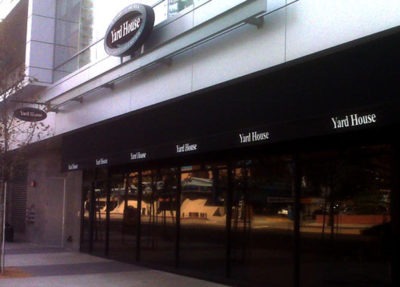
Anime Expo (AX) is a massive convention, attracting over 100,000 attendees annually. The author has attended every year for the past five, except for 2015. It hosts prominent Japanese guests and entertainment, including recent AWM shows. The author has also hosted a party at AX for the past few years. Southern California is considered an ideal location for anime in America, and the high population density of anime fans, despite urban sprawl, makes this large convention feasible. This is partly due to the significant Hispanic, African-American, and Asian demographics, as well as the relatively lower cost of travel from Japan to LAX compared to other continental North American airports. Anime fandom likely originated earliest in the Americas in this region. AX is now a major event, considered a must-attend for those interested in the international and national scene, as well as for the spectacle itself – a “you have to go once” kind of event.
Pros:
- Almost guaranteed to feature relevant content and top guests annually, with many Japanese guests, especially from the industry.
- Excellent opportunity for meetups due to the large attendance; it’s highly probable to encounter friends.
- Features top-tier concert venues like the Microsoft Theater and The Novo.
- Significant industry presence, with nearly all major players, including Japanese companies, represented at AX.
- A world-class city with abundant activities.
- Kicks off the summer anime cour.
Cons:
- Requires driving to reach most locations outside the convention center; ridesharing services have improved accessibility, but car rentals incur parking costs or the hassle of finding cheap parking.
- Extremely expensive, even before factoring in travel costs. The convention itself is costly, as is the city. Its duration of 4-5 days further adds to the expense.
- Without a Premiere badge, participation in many popular activities is limited.
- Numerous events overlap, meaning the on-paper schedule represents only a fraction of what attendees can experience due to the inability to attend everything.
- Line control is frequently poor due to large crowds and often poorly trained staff and volunteers. The author has personally experienced more line issues at AX than at all other conventions combined.
- Significant waiting in lines occurs outdoors, under the Southern California summer sun.
Otakuthon
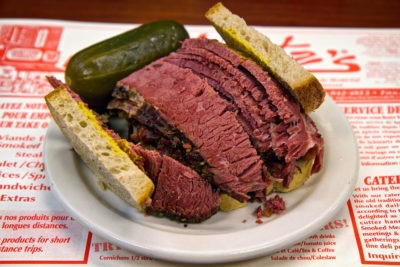
Otakuthon is the major summer convention on the East Coast of Canada, drawing anime enthusiasts to Montreal’s convention center. The venue offers proximity to tourist attractions and convenient city transit. In recent years, the convention has enhanced its guest lineup, evolving beyond a “fan con/nerd prom.” The author attended twice in the past five years, including the current year and two years prior. It typically shares a weekend with Anirevo Summer. This growing convention has transitioned from mid-sized to large in recent years.
Pros:
- Montreal is an excellent tourist city, offering a European-like experience on the East Coast with great food and sights.
- Provides good value for American visitors due to currency exchange rates.
- Usually features a good music act or more each year, along with several Japanese guests.
Cons:
- The convention is not always the most organized for attendees.
- It involves international travel as it is located in Canada.
Anirevo Summer
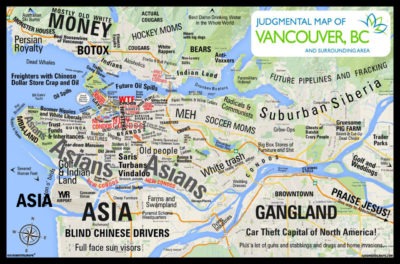
Anirevo Summer, held at the Vancouver Convention Center, serves as the West Coast counterpart to Otakuthon. The author views this convention as a combination of the city’s appeal and its crowd, alongside top-tier voice actor guests. In recent years, they have invited a sound director who helps bring numerous voice actors. The convention is quite local, collaborating with the city’s Japanese cultural scene. The author enjoyed their first visit in 2017 and might attend again. Similar to Anime North, Anirevo consistently offers strong guest programming throughout the event, making it a good value for that aspect alone. The attendee demographic here leans heavily towards a Chinese meta, even more so than in Toronto. The author notes that Anirevo shares many similarities with Otakuthon.
Pros:
- Strong focus on voice actor guests, with a good number of Japanese guests attending annually.
- Vancouver is a prime destination for culinary tourism and general sightseeing.
- Offers paid photo opportunities with guests at times.
- Includes a “Meet the guest” event.
- Provides a US dollar discount.
Cons:
- The convention is not always the most organized for attendees.
- It involves international travel as it is located in Canada.
Otakon

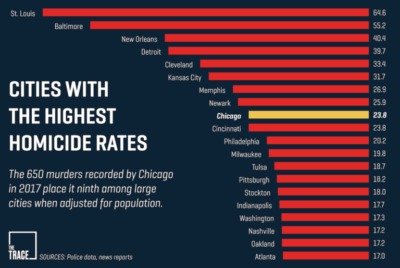
Otakon is considered the author’s “home” convention, having attended since 1998 without missing a single year. However, the convention has undergone significant changes over time, and the author is uncertain if all the modifications were for the best. It is now held in Washington, D.C., and saw a return to 29,000 attendees this year. The new convention center offers ample space, but crowd management is still a concern, as evidenced by this year’s event. Otakon was historically known as the major East Coast convention with prominent guests during a time when large anime conventions were rare, during its tenure in Baltimore. Now, with the proliferation of mid-size conventions in the Northeast, Otakon’s influence has diminished, although it remains the largest convention in the D.C. Maryland, Virginia (DMV) area. The move to D.C. is considered a significant upgrade, detailed further in the accompanying image.
Pros:
- Consistently features good guests, with the number of Japanese guests varying from “quite a few” in good years to “some” in others.
- Now offers tourism appeal due to Washington D.C.’s attractions, complemented by ridesharing options and a functional metro system.
- The convention is generally competently run, with attentive staff. Overall, it’s a very good convention, aside from guest and programming considerations.
Cons:
- Perceived as expensive for the value offered, with a somewhat “one-size-fits-all” approach that feels old-fashioned.
- Needs more hype, especially following last year’s AWM event.
AWACon
Anime Weekend Atlanta (AWA) is another long-standing anime convention that has evolved into a strong contender for attracting Japanese guests and offering consistently solid programming. Atlanta, situated in the South, provides a charming atmosphere for those who appreciate it. AWA, which was once primarily known for its AMVs, has successfully pivoted as the format’s popularity has waned. The author has attended AWA three times in the past five years.
Pros:
- Generally features solid guests, particularly for music, and can be relied upon for a number of Japanese guests.
- Priced more affordably compared to many other American conventions.
- Despite being a larger convention, it maintains a more laid-back atmosphere than most.
Cons:
- The convention now runs for more than three days, which might be seen as a drawback by some.
- Difficult to navigate without a car; however, having a car allows for exploration of local eateries and attractions.
AnimeNYC
You might also be interested in : Anime Expo 2018: Recap

The author feels compelled to write this post specifically for AnimeNYC. AnimeNYC is seen as a spiritual successor to NYAF, as it is run by some of the same individuals. The history involves NYAF, a for-profit convention, which was sold and merged into NYCC.