UlasanAnime.com – The Ghibli retrospective at the IFC Center continues, offering a chance to revisit some of Studio Ghibli’s most beloved films. This particular entry focuses on two distinct yet compelling works: the internationally acclaimed “Spirited Away” and the lesser-known “Ocean Waves.” The author shares their renewed appreciation for “Spirited Away” and draws interesting parallels with other works, while also exploring the subtler nuances of “Ocean Waves.”
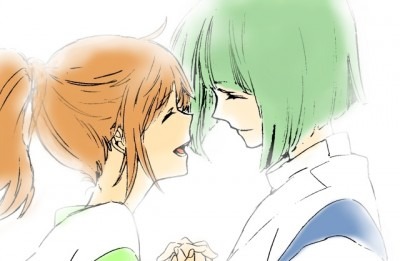
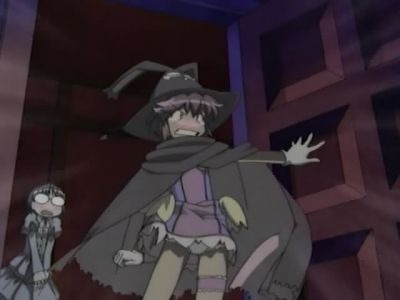
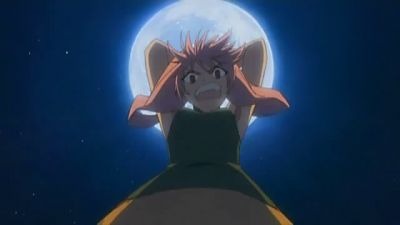
The author begins by posing a seemingly obscure question, linking Hayao Miyazaki’s “Spirited Away” with Type-Moon’s “Mahoutsukai no Yoru.” While acknowledging multiple potential connections, the focus is on a specific, yet unrevealed, similarity that colored the author’s experience of watching “Spirited Away” this time around.
The recent viewing of “Spirited Away” proved to be a more profound experience than previous encounters. Details that previously went unnoticed now stood out, enriching the narrative. The author highlights Chihiro’s subtle tremors on her first night at the bathhouse, the poignant visit to her parents the following morning, and Chihiro’s resourceful use of a mud-dango. Other memorable moments included Chihiro’s courageous act of holding down a writhing dragon, and, most importantly, the answer to the earlier posed question, which surprisingly has nothing to do with Chihiro herself.
This peculiar connection, recognized early in the viewing, significantly shaped the author’s perspective throughout the film. The author notes that Yubaba’s frequent arguments and the presence of the giant baby became more comprehensible. Similarly, Zeniba’s interactions with Sen and her companions gained new layers of meaning. The author speculates that a deeper understanding of the “Totoro” experience, gained between viewings, might have contributed to this enhanced appreciation. Alternatively, it could be attributed to having now seen nearly the entire Ghibli feature film catalog, with the exception of films by Isao Takahata. A poignant moment occurred at the end of “Spirited Away” when Chihiro bid farewell, which reminded the author of Lin’s earlier advice to Chihiro to do the same. The author humorously attributes this sentimentality to personal weakness or, perhaps, the result of intensive Ghibli film consumption.
The author chose to watch “Spirited Away” and “Ocean Waves” as a double feature, a decision that allowed for a unique viewing experience. “Ocean Waves” served as a pleasant palate cleanser after the intensity of “Spirited Away.” The author also indulged in a second supper of shawarma, baklava, and mint tea between films, enhancing the relaxed atmosphere of the retrospective.
In retrospect, “Ocean Waves” is presented as a more understated film, yet paradoxically, easier to digest. The author suggests that it can be enjoyed and fully understood without excessive contemplation. Within its relatively short runtime of 60-70 minutes, the film makes a strong case for its narrative and thematic depth. The author even posits that “Ocean Waves” feels like what a Makoto Shinkai film directed by Ghibli might have been.
The thematic takeaway from “Ocean Waves” this time around is described as somewhat unusual. The author found themselves focusing significantly on the one-year reunion scene, observing how the characters fondly reminisced about their high school days, including both the good and the bad. The author recalls the preceding scene where a physical altercation occurred between students, and a girl’s fear led to angering others. Yet, at the reunion, everyone is depicted as having a great time. This prompts the author to question if this sentiment reflects their current feelings and if Akiko Shimizu’s point about the enduring nature of relationships is accurate. The author concludes that some experiences indeed improve with time, offering a positive perspective on past losses. This outlook is described as both practical and romantic, though the author is unsure of Matsuno’s (presumably referring to the film’s director or a character) current perspective. The author muses that perhaps Shinkai is merely recounting his own story from a decade prior.
You might also be interested in : Autumn Declutter
The author concludes by stating that “The Ghibli retrospective grinds on!”, indicating their continued engagement with the film series.