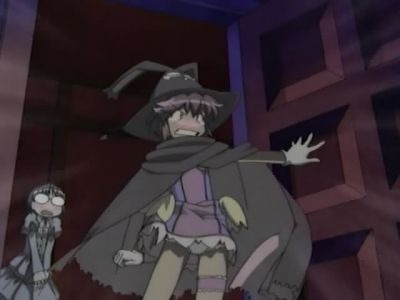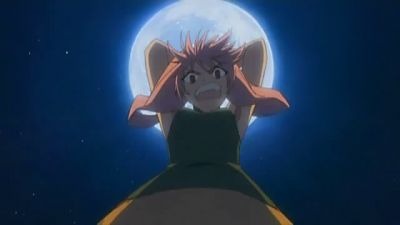
UlasanAnime.com – Some years ago, an anime titled “Rokka” was released, based on a fantasy low-tech RPG setting. It presented a sweeping war against darkness within a magically sealed “room.” Although adapted from novels, it proved to be a significant misdirection for anime-only viewers.

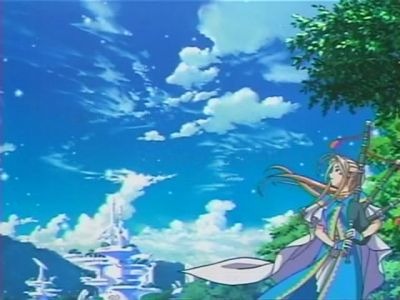
The show employed a bait-and-switch tactic, initially promising a grand setting with fantastic characters. However, it predominantly spent its first season within foggy, confined spaces. It wasn’t merely a dungeon; it was the entire locale and its immediate surroundings, where the heroes were tasked with identifying traitors and escaping their predicament.
You might also be interested in : Anime NYC 2019: Recap
Instead of an expansive world, “Rokka” focused on developing the psychology and backstories of its heroes and heroines. This approach bears a resemblance to how “Astra Lost in Space” functions. While not akin to “Star Trek,” it features children exploring space amidst a grand conspiracy woven into their characters’ histories. Viewers and the characters themselves delve into this backstory while simultaneously striving to survive and solve the overarching puzzle.
Both series, in essence, share a core overt puzzle that propels the narrative forward and generates overall tension. “Rokka” featured various battles, whereas “Kanata no Astra” offered worlds to explore.
Ultimately, “Astra Lost in Space” captures the essence of what makes “Star Trek” compelling. “Rokka,” on the other hand, remains a significant tease, even when its concept is dissected on paper or in a blog post.
The question remains: why was “Rokka” such a misleading anime? What was the creative team’s intention when developing the show? This ambiguity continues to be a point of contemplation to this day.