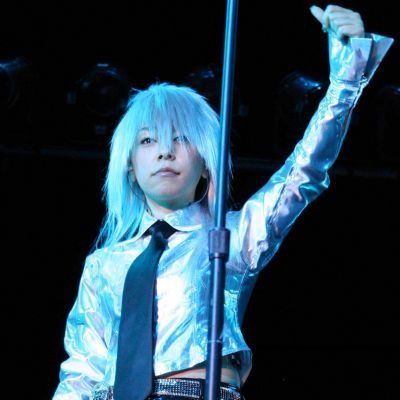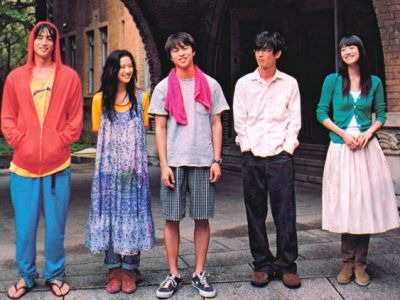
UlasanAnime.com – Upon diving into “Nana,” I anticipated a typical shoujo romance, and that’s precisely what I received: a glamorous, exciting, and ultimately trashy story that resonates with its intended audience. Curiously, its conclusion left no lasting impression, a fact I find myself pondering.
Before finishing these fan-made subtitles, I reflected on my personal obsessions. It’s fair to say that anime and gaming occupy a significant portion of my mental landscape; I think about them frequently. This might be due to my active participation in both hobbies, but I suspect it’s more about how I’ve excessively structured my life around them, to an unhealthy degree. I’ve come to believe that there can indeed be “too much anime.”
While the life of a reclusive otaku and a wild rock ‘n’ roll lifestyle seem worlds apart, they share a thematic core of balance. “Nana” features a cast of passionate characters who often push boundaries, facing consequences for their actions. It offers an engaging portrayal of 21st-century Japanese glamour, while striving to remain true to the poetic and karmic expectations reminiscent of Newton’s Second Law.
However, are we so bound by these recurring forces that we cannot enjoy our fantasies outside their influence? When your gaming and anime consumption—watching, writing, reading, surfing, and discussing—begins to overshadow essential responsibilities, it’s a clear sign of excess. Similarly, when an obsession with another person causes you to lose sight of what’s best for both of you, is it truly acceptable to indulge that fantasy, even at a cost? If “Nana” were about dedicating 14-hour workdays to accumulate wealth and status, rather than friendships and romance, would it simply be “Speed Grapher” without the superpowers? Isn’t “Lucky Star” just “Nana” from a fangirl’s perspective?
You might also be interested in : Otakon 2007 YouTube Highlights
Perhaps I should reduce my viewing of shows like “Nana” and focus on more significant pursuits.