UlasanAnime.com – Celebrating the simple joys of life through the eyes of a child is a recurring theme in storytelling, and manga author Kiyohiko Azuma, known for “Azumanga Daioh,” masterfully captures this sentiment in his work, “Yotsuba&!”.
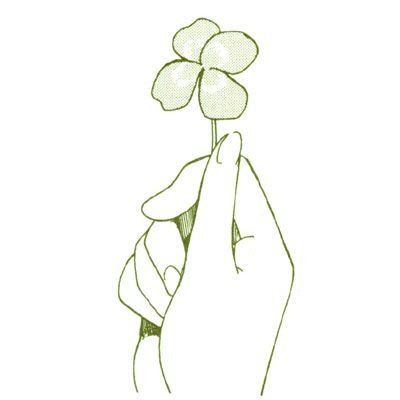
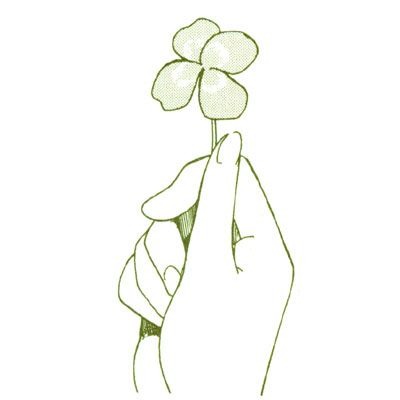
“Yotsuba&!” stands out not just for its celebration of life, but for its unique and endearing style. While the concept of exploring life’s fundamentals through a child’s perspective is a familiar trope, often seen in American newspaper comics, Azuma’s execution is distinctly charming.
This charm isn’t the overtly sexualized or context-dependent cuteness often associated with Japanese pop culture. Instead, it evokes a similar emotional response to beloved works like Charles Schulz’s “Peanuts.” These narratives offer a slightly different lens on childhood and the world, presenting competing worldviews through shared experiences.
You might also be interested in : The Dark Side of Teenage Dreams
The true impact of these works lies in the positive and negative feelings they stir within the reader, rather than their inherent charm or pathos. A useful scale for understanding their appeal can be drawn by considering the interplay between an adult’s perspective on a child’s world and a child’s view of the adult world.
For instance, “Sinfest” excels at portraying adult problems with an adult’s viewpoint, yet yearns for a childlike idealism. In contrast, the popular “Calvin & Hobbes” explores sophistry while prioritizing a child’s perspective over an adult’s. “Yotsuba&!”, however, feels akin to a child’s enthusiastic takeover of the adult world.
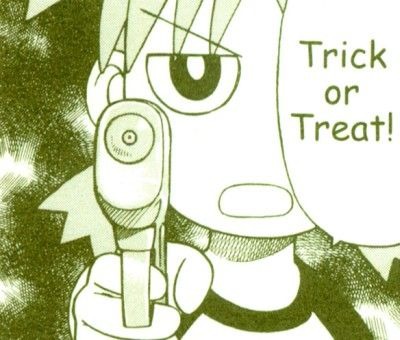
And this takeover is done with unyielding determination.
The magic of “Azumanga Daioh” shares a similar rejuvenating quality. Both series have the power to transport readers back to a past they may not have experienced, allowing them to live vicariously through the characters and their amusing escapades. This offers a potent and impactful reading experience.
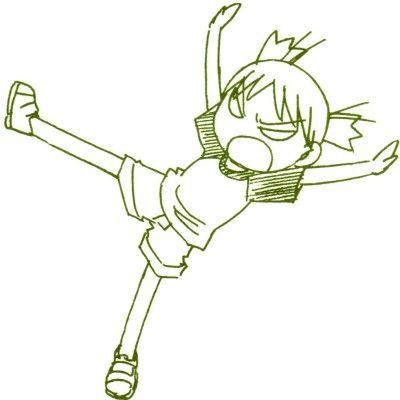
The series evokes a feeling reminiscent of Mark Twain’s “Huckleberry Finn.” One can only imagine how much funnier Twain’s classic might have been if he had access to the rich pop culture landscape that exists today.