
UlasanAnime.com – United States presidential candidate Hillary Clinton has recently unveiled her campaign platform concerning technology. A key segment of this platform addresses the issue of content licensing.
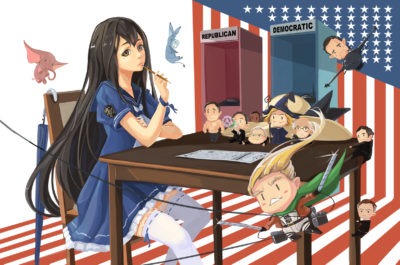
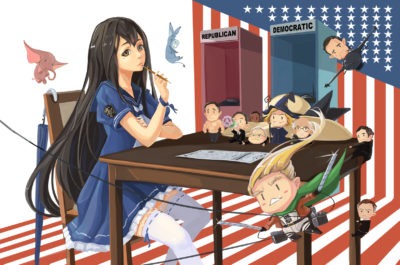
The relevant excerpt from her platform states: “And she will encourage stakeholders to work together on creative solutions that remove barriers to the seamless and efficient licensing of content in the U.S. and abroad.” This statement highlights a focus on facilitating smoother and more effective international content licensing processes.
Given that no other prominent candidates have yet presented similar proposals, this initiative from Clinton is particularly noteworthy for the current election cycle. In contrast, Donald Trump’s campaign has not yet released a comparable policy document. It is important to remember that these are campaign promises, and their translation into actual policy is not guaranteed. Furthermore, their effectiveness in easing international licensing remains to be seen; for now, it is simply an idea being put forth.
You might also be interested in : Anime Expo 2016: Updates
For issues that are often considered niche, such as international licensing, any attention is a significant improvement over the usual lack thereof. For instance, during his campaign, Barack Obama made rather general remarks about intellectual property reforms. While some patent reforms were enacted during his second term, the President did not significantly advance the broader IP agenda during his time in office. Historically, copyright and licensing have rarely been subjects of serious discussion during presidential campaigns.
The past few election cycles have seen a slight shift, with technology-related topics becoming increasingly prominent. It is encouraging to see this technological focus extend to the often-overlooked area of copyright law, which can have a substantial impact on industries like anime, where international distribution and licensing are crucial.
The emphasis on removing barriers to licensing suggests a potential for positive developments in how content is accessed and distributed across borders. This could be particularly beneficial for the anime industry, which has a global fanbase and relies heavily on intricate licensing agreements to reach audiences worldwide. Streamlined licensing could lead to wider availability of anime titles and potentially reduce instances of piracy, which often stems from a lack of legal and accessible options.
Clinton’s platform also implies a recognition of the growing importance of digital content and the need for updated legal frameworks to support it. As the digital landscape continues to evolve, so too must the regulations governing intellectual property and content distribution. Her proposal to encourage collaboration among stakeholders is a promising approach, as it acknowledges that effective solutions require input from creators, distributors, and consumers alike.
The mention of “seamless and efficient licensing” suggests a desire to move away from complex and often cumbersome bureaucratic processes that can hinder the flow of creative works. This could involve simplifying application procedures, standardizing contract terms, or leveraging technology to automate parts of the licensing process. Such improvements could significantly reduce the time and cost associated with acquiring rights, making it easier for both established companies and independent creators to bring their content to new markets.
While the specifics of how these “creative solutions” will be developed and implemented are not yet detailed, the commitment to addressing the issue is a positive step. The success of such initiatives will depend on the willingness of various parties to engage in constructive dialogue and work towards common goals. The involvement of stakeholders is crucial to ensure that any reforms are practical, equitable, and beneficial to all involved.
The potential impact on the anime industry, in particular, could be substantial. With the increasing global demand for anime, the ability to license and distribute content efficiently is a critical factor for growth. If Clinton’s platform translates into tangible policy changes, it could open up new opportunities for anime producers and distributors, leading to greater accessibility for fans around the world.
It remains to be seen whether this plank in Clinton’s platform will gain further traction and lead to concrete policy proposals. However, its inclusion signals a growing awareness of the complexities of international content licensing within the political sphere, which is a welcome development for industries that operate on a global scale.





















