UlasanAnime.com – The anime “Haifuri,” also known as “High School Fleet,” sparks a debate about its classification as a “Cute Girls Doing Cute Things” (CGDCT) show. While some argue it fails in this regard due to a lack of levity and persistent pseudo-serious plot points, others contend that its unique approach offers a different kind of enjoyment.
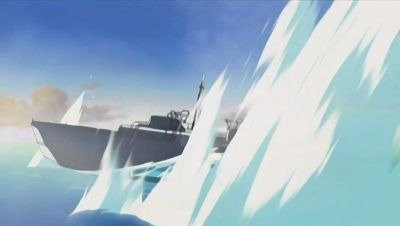
A key point of contention is whether the show effectively portrays “cute girls doing cute things.” One perspective suggests that for a CGDCT show to succeed, it needs both cute characters and actions that are inherently cute. In “Haifuri,” while the characters might be considered cute, their activities, often involving the operation of warships and simulated combat, are not always perceived as “cute” in the traditional sense.
This sentiment is particularly highlighted by the observation that the constant reminder of the show’s pseudo-serious undertones detracts from the characters’ perceived enjoyment of their tasks. It’s argued that this focus on underlying issues prevents the audience from feeling as if the characters are truly having fun, a crucial element for many CGDCT enthusiasts.
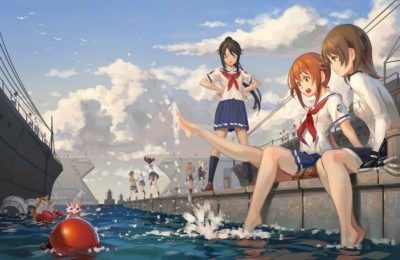
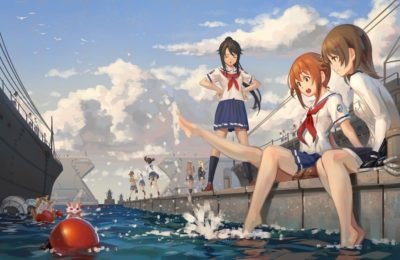
The introduction of episode 10, a filler episode centered around an equator-crossing festival, is often cited as a turning point. In this episode, the characters are depicted having a genuinely good time. This episode, devoid of significant plot progression, managed to showcase the characters’ happiness, reinforcing the idea that for a CGDCT show to work, the characters need to be shown enjoying themselves.
You might also be interested in : AnimeNext 2016: Ringkasan
However, a counter-argument proposes that there’s a fundamental difference in how audiences appreciate CGDCT stories. One viewpoint focuses on “observing and sharing in the characters’ happiness,” while another centers on “watching people doing what they do.” This distinction suggests that the enjoyment derived from “Haifuri” might stem from the latter perspective, where the appeal lies in witnessing the characters engage in their activities, regardless of whether those activities are conventionally “cute.”
From this viewpoint, “Haifuri” is seen as being on par with shows like “Girls und Panzer.” While “Girls und Panzer” presents its activities as an after-school club, “Haifuri” frames them as actual schoolwork. The argument is that while extracurricular activities can be taken seriously by some, the weight of actual coursework in “Haifuri” is felt more acutely, mirroring the institutionalized demands of academic life.
This perspective acknowledges that “Haifuri” is not simply about “tea and pet turtles,” but rather a “class that lasts all season long,” which can indeed sound daunting. Yet, it also introduces the idea that “Haifuri” caters to a different fantasy: that of military otaku seeing high school girls operating vintage warships and firing large ordinances. This routine and spectacle of girls on warships are integrated into their weekly activities, making it comparable to other CGDCT shows where the cute girls are merely a vehicle for the narrative.
The series’ thematic explorations in the latter half are described as by-the-book, with the matsuri episode marking a climax in its CGDCT narrative. It’s suggested that “Haifuri” never aimed to be “K-ON!” but rather a story that juxtaposes contrasting elements while appealing to admirals and military enthusiasts. The unnatural circumstances are presented as part of the enjoyable tension of the show.
The absence of a token otaku character on the Harukaze and the presence of yakuza film impersonations are interpreted as indicators that “Haifuri” is not solely about girls on a boat, but rather about girls acting out a war film. This conceit, where young women perform stories typically reserved for older, gruff sailors, allows for playful mockery of tropes found in yakuza flicks.
The article then touches on the significance of the Fleet Admiral being a “fat cat” and the girls receiving cat-like nicknames, posing these as intriguing, albeit perhaps unanswerable, questions regarding the show’s thematic depth or comedic intent.
It is proposed that perhaps “Haifuri” is a mistake to label as pure CGDCT, and instead, could be considered “Cute Girls Re-Enacting a WWII Flick.” This re-enactment is seen as inherently comical, rather than strictly cute. The enjoyment of this re-enactment, or the lack thereof, is attributed to the viewer’s personal reaction.
The author concludes with a postscript reflecting on the pacing of events at sea, noting that things can happen both very slowly and all at once. They suggest that “Haifuri” missed opportunities to exploit the mundane aspects of these slow periods, perhaps in favor of mimicking a more cinematic, movie-like experience. This could explain the sweet-and-sour reactions some viewers have had with the series, akin to the mixed feelings one might have after watching the movie “Battleship.”