UlasanAnime.com – This article delves into the complexities of crowdfunding within fandom, specifically examining a Kickstarter campaign for “School Idol Tomodachi” and its implications regarding copyright. The author presents a Q&A with the campaign organizers, Deby & Engil, who acknowledge the potential copyright infringements but argue that such fan-made sites are often tolerated by license owners as a form of free advertisement that helps expand their user base.
The organizers state that they have not directly contacted Klab or Bushiroad but believe the companies are aware of and tolerate the website’s existence, akin to how they tolerate other fan sites. They operate under the assumption that license owners consider such activities as “fair use” and are unlikely to pursue legal action unless they change their stance. The organizers also express their willingness to comply if requested to take the site down or close the Kickstarter campaign.
The author expresses a personal discomfort with the concept of promoting a project by selling items that the creators do not own. While acknowledging that there’s nothing inherently wrong with it, the author finds it peculiar from a business perspective that a fan project would seek funding through such means, especially when the original commercial products it’s based on might not be as “shameless” in their promotional efforts. The author places this Kickstarter campaign in a tier of questionable fan activities, above what they refer to as the “Clannad Man thing.”
This situation is also framed as a reflection of changing societal norms and the evolving nature of fandom. The organizers, being young (23 years old), may have grown up with crowdfunding as a prevalent concept. The author suggests that paying for one’s fandom out of pocket might be becoming less common, while crowdfunding simultaneously thrives because it allows for a “country club” type of engagement with fandom, extending beyond traditional forms of community building.
A key point of contention for the author is the buyer-seller relationship that crowdfunding platforms like Kickstarter facilitate. This transactional dynamic, in the author’s view, is being introduced into a space that was traditionally reserved for memberships. The author also highlights the significant fees charged by Kickstarter and its payment processors, which are considerably higher than those for direct fundraising via PayPal.
The author contrasts this with crowdfunding for events like conventions, citing Otakon as an example where funds might be used for broader organizational purposes. When crowdfunding is used for products like CDs, board games, or smartwatches, it essentially functions as a preorder. The author feels that the School Idol Tomodachi Kickstarter is problematic not just because of copyright but also due to the nature of the items being sold, questioning the ethics of “second-hand selling loveca.”
An alternative interpretation offered is that the organizers might simply be unaware of the full implications of their actions. The author commends Dave’s choice to use Indiegogo for his “Kawaiikochan’s Go to Japan Project,” deeming it a smart move.
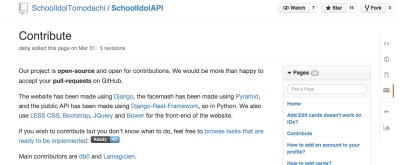
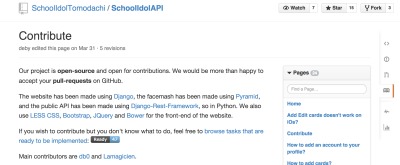
In a postscript, the author notes that the School Idol Tomodachi site offers a public API for accessing its card entries and other data. This is described as both “hilariously bad and pretty cool,” with the author speculating on the cost of services like AWS. The author draws a parallel to a fan project creating an anime adaptation of a light novel, but in this case, it’s code that the original production committee might not care about, and fans are attempting to sell items that the committee would typically sell as a means of fundraising.
You might also be interested in : Theme Cafes and Mobage
The author concludes by stating that while they don’t inherently dislike these activities, the issue has moved beyond mere copyright concerns. It’s now about businesses trying to generate revenue and how fans find ways to fill gaps in a “meta kind of way.” Copyright laws, in this context, are seen as inadequate and “weaksauce” for addressing the complexities of 21st-century digital fandom and monetization. The author humorously suggests that figures like Gabe Newell might take note of these developments.