UlasanAnime.com – Shinkai Makoto’s latest theatrical work has achieved remarkable success, grossing 6 billion yen in just 17 days. This figure surpassed not only the estimates of commercial distribution outlet Toho but also exceeded general expectations, lending significant validation to the film’s commercial appeal. Notable critics such as Yamakan and Azuma, among others, have already shared their perspectives.
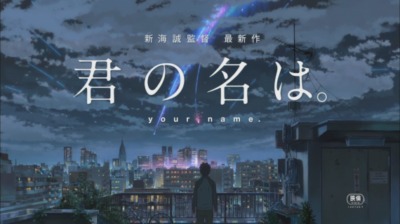
This success does not appear to be a mere fluke; Shinkai has been refining his formula from the outset. The pertinent question, in my view, echoes one previously posed by Azuma.
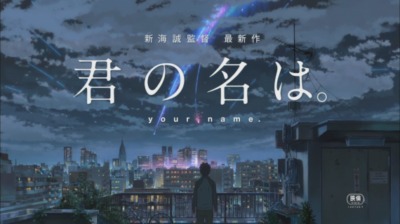
The cultural trajectory has been leaning in this direction for a considerable time. When even a soccer-star can be an otaku in secret, it signifies an unstoppable trend. In a society where animated mascots and cartoons are ubiquitous and manga consumption carries virtually no stigma, it might seem natural for animated movies to achieve such widespread hits. Indeed, hasn’t Studio Ghibli been doing something similar for the past few decades? That was my initial line of thought until I realized the central demographic of Kimi no Na wa: the riajuu.
The movie’s commercial success is demonstrably fueled by couples attending theaters. This, I believe, is the core of Azuma’s observation. To be clear, romantic elements have been present in many of Studio Ghibli’s productions, but they typically served as secondary elements to narratives primarily aimed at children. Films where romance took a more central role often struggled, as they tended to target a more mature audience. Kimi no Na wa deviates from this pattern. My assertion about the riajuu demographic is based on secondary observations and some personal insights, so it’s possible I’m mistaken, but this is the prevailing sentiment and the reports I’ve encountered.
You might also be interested in : Blues Pengganti
If you are among those who have appreciated anime for its ability to present compelling stories or aspects that resonate deeply, and you believe its mainstream appeal stems from its inherent quality, then you should champion Shinkai’s work. Regardless of whether it’s considered otaku media or not, the evolution of the medium hinges on preserving these valuable qualities.