
UlasanAnime.com – The jokes in Lucky Star might be structured on a curve.
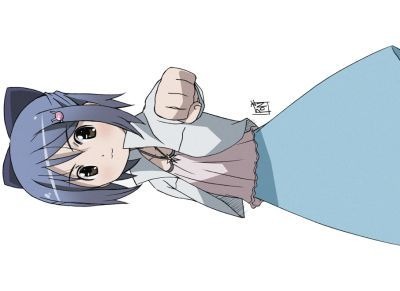
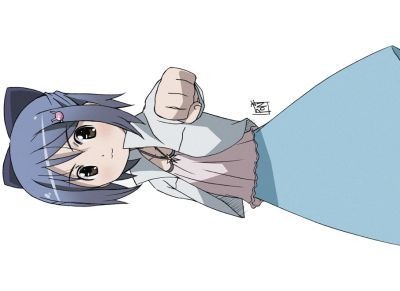
It’s undeniable that Lucky Star is a popular show currently airing. However, given its format, which resembles a panel comic with a slice-of-life element, why do people seek explanations for its popularity beyond the show itself? It’s unclear, but does this indicate a lack of substance in this skirt-wriggling mess?
Perhaps that’s how it began. Lucky Star’s broad approach to entertainment could be the true reason for its success. The show aims to appeal to a wide audience in two distinct ways, even when presented as otaku entertainment.
You might also be interested in : Kamichu Is Quite Good
Firstly, it provides a diverse range of topics for discussion. Whether you’re an otaku with a casual interest or someone more discerning, you can find something to appreciate within its narrative. This is as much as a slice-of-life high school comedy can offer. It’s somewhat like a less acclaimed but popular webcomic, yet more intelligently conceived.
Secondly, it presents its jokes on a curve. What does this mean? Consider an episode of Lucky Star, which typically lasts 20 minutes. For approximately 10 minutes of the episode, spread out, we encounter fairly standard situational comedy jokes where the characters explain simple, everyday occurrences, leading to lukewarm punchlines. For about 6-7 minutes per episode, Lucky Star features jokes that reference culture more broadly, such as the one about Christmas Cake or the concept of “moe.” These might not be as easily understood by everyone as jokes about which side of a choco coronet is the “head,” though some might find the latter less amusing. For about 3-4 minutes, the show delivers more otaku-centric jokes, referencing events or popular tropes like “Action Hero Animate.”
The key takeaway is that even though Lucky Star is a show with a strong otaku focus, most viewers can still enjoy a significant portion of it. There are roughly an equal number of jokes catering to both the initiated and their friends who might not be as deeply involved. While it might require a true 2ch enthusiast to grasp every single reference, one doesn’t need to be a 2ch goon to laugh and enjoy it.
(Indeed, Lucky Star’s ability to appeal to the lowest common denominator is its strength. The opening has already predetermined this.)
Perhaps a secondary question worth exploring is: how much of anime does a typical viewer actually understand? It’s not exactly rocket science. And it seems to make little difference.





















