UlasanAnime.com – In the digital realm of online communities, particularly on IRC, a unique form of communication thrives, characterized by emoticons, capitalization, image macros, and a distinct brand of witty banter. This style of interaction, while often jaded by the constant exposure to internet culture, can still offer moments of amusement and a refreshing perspective, even to a seasoned online user.

It’s this very aspect that draws me into the narrative of the Chor Tempest. The series taps into a compelling fetish for “Battle Miko” or, more broadly, explores the profound theme of children shaped by war and the symbolic journey of coming of age. It resonates deeply, offering a captivating blend of action and personal growth.
However, like many rewarding experiences, Simoun demands effort from its audience. The anime faced an unfortunate initial struggle with fansubbers, but the primary challenge lies within the series itself. Simoun presents an internally consistent and unconventional fantasy setting, arguably one of the most unique since Last Exile. The expansive cast, deliberate pacing, and a complex, albeit crucial, beginning can initially leave viewers feeling bored, confused, or disinterested, or a combination of all three.
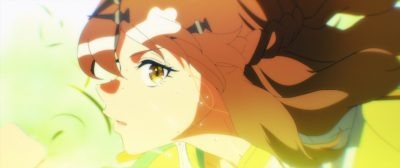
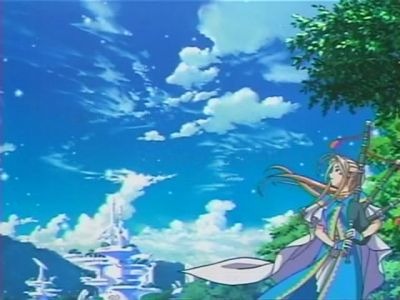
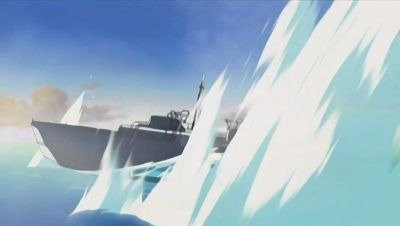
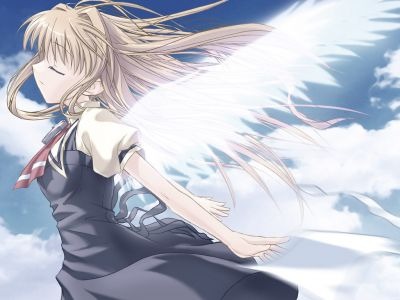
Despite these initial hurdles, Simoun boasts remarkably solid production values. The voice acting is competent, and the series is helmed by the director of Ranma 1/2. Studio Deen, utilizing the remnants of their work on Fate/Stay Night, delivers what they do best: stunning animated illustrations that are akin to frameable paintings. The 3D CG employed for the Simoun aerial battles, while initially appearing cheap and requiring some adjustment, becomes less of an issue after a few episodes. The musical score, while not groundbreaking, is certainly good.
For those intrigued, a visit to the Wikipedia entry is highly recommended. Additionally, Hashihime’s Simoun pages offer a valuable resource for quick character references.
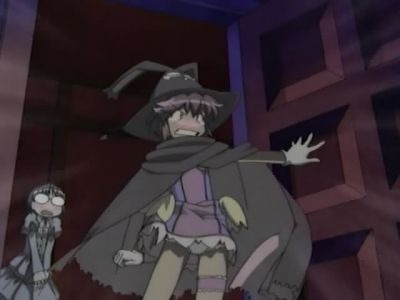
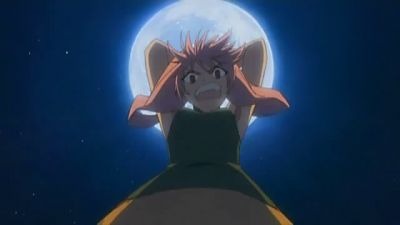
What truly captivated me was the profound focus on character drama. While one could playfully debate the nuances of the “they’re not really girls!” aspect, Simoun unfolds much like a shoujo interpretation of Last Exile. The intense emotional turmoil experienced by Tatiana and Alestia, for instance, offers a glimpse into the complex relationships explored in Simoun. Instead of renegade mercenaries, the Chor Tempest comprises a unique group of priestesses who perform deadly prayers to their theological object of affection while soaring through the skies.
You might also be interested in : A Convention Primer: Trap-chan, Fanboy, Tool, Punk’d, and DQ
Alternatively, the series can be viewed through the lens of a captivating soap opera, brimming with surprises, veiled allusions to sexual assault, illicit relationships, deep empathy, manipulative schemes, and the universal journey of growing up. It encompasses falling in love, losing faith, achieving success, and facing the downfall of prestige. The narrative covers a vast spectrum of human experience. Its subtlety, however, makes it less overtly “exciting” than shows like Strawberry Panic, yet it delves into themes that resonate more profoundly, demanding a serious engagement from the viewer. It’s a level of depth that a third-rate Marimite spoof simply cannot achieve.
Furthermore, the “children of war” aspect is undeniably present. It’s clear that shrine maidens are not inherently suited for combat, at least outside the fantastical realm of Touhou. The clash between these expectations and the sacrilege of transforming instruments of worship into tools of destruction extends beyond the hidden secrets of the Spring of gender crossing or the Simoun machina themselves. It strikes at the very core of the Simoun pilots, or Sibyllae. While this theme may have receded slightly as the series progressed, the intricate interplay of its setting, the adversarial states against the Simulacrum, and the diverse array of priestesses serving the singular Tempus Patium, offers a wealth of material that a mere 26-episode run cannot fully exhaust.
Therefore, I urge you to watch it! At the very least, you can revel in the exquisite vector art of the eyecatches, all while fully appreciating just how truly remarkable this ensemble of misfits truly is.