
UlasanAnime.com – The Summer 2019 anime season brought forth two notable series, “Uchi no Musume” and “Okasuki,” both exploring parental dynamics, albeit from different perspectives. “Uchi no Ko” centers on a helicopter dad, while “Okasuki” features a helicopter mom. These contrasting yet similarly focused narratives offer a unique form of consumable entertainment for the current age.
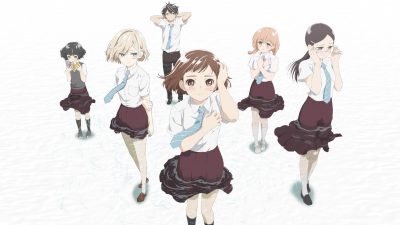
The co-occurrence of these two anime in the same season is striking, creating a dynamic where one seems to be the giver and the other the receiver of intense parental attention. This parallel airing naturally invites comparison between the two shows.
In “Okasuki,” the mother character embodies a multitude of common female tropes, amplified by an overwhelming maternal presence. The voice acting effectively conveys the child’s exasperation with his mother’s constant mothering. This success lies in the ability to capture that specific feeling without letting it derail the overall tone of the series.
However, the tone of “Okasuki” can be described as less than ideal, carrying a distinct “late-night meta-fantasy isekai harem” scent. While not a complete failure as a package, it can be a difficult watch for some, perhaps indicating a lack of personal affinity for such themes.
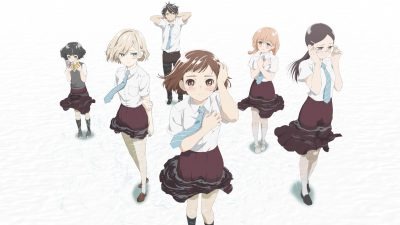
In contrast to “Okasuki,” “Uchi no Ko” presents a different approach to parental relationships. Setting aside the intricacies of the main female character, the show offers a compelling look at parenting from the father’s viewpoint. It highlights a perspective that is undeniably naive and perhaps less sophisticated, yet powerfully presented.
You might also be interested in : Otakon 2019: A Summary
The critique here is not that the portrayal is incorrect, but rather that the storytelling style might not be the most effective. The narrative device of the father not being the biological parent, despite his role, serves as a form of fantasy fulfillment that aligns with the story’s conclusion and the present focus on the child.
There’s a timeless quality to “Uchi no Ko” that is rather amusing. Currently, the early episodes of the anime effectively tap into parental sentiments. It presents an accessible way to depict a parent-child relationship, encouraging the audience to empathize with the child character, Latina. It functions almost as a parental fantasy, where the child is “built” and cherished, akin to a player developing their world in a simulation game, all while being exceptionally adorable. In this regard, “Uchi no Ko” appears less overtly shameless than other shows and incorporates subtle emotional nuances.
This approach is certainly more pleasant to observe than the gratuitous use of humorous MILF tropes. However, this preference might be subjective, as children inevitably grow up, leading to different narrative possibilities, as seen in series like “Araoto.”
The process can be compared to world-building in fiction, a common practice. Yet, it feels peculiar when the story essentially functions as an MMORPG character creator. This blend of a “cartoons come to life” meta-narrative with standard anime character development results in a product that is simultaneously silly and somewhat unsettling.
This blending of meta-commentary and direct storytelling has, in a way, been a strength of the isekai genre. By stripping away a layer of meta-narrative, these anime often manage to get straight to the point, appealing directly to the audience’s desires and expectations.





















