UlasanAnime.com – Before the term “moe” gained widespread recognition, the concept of a “sad girl in snow” was already a familiar trope. Similarly, before the rise of certain cultural phenomena, there were already established trends. This prompts the question: what defines the current landscape, and what is this phenomenon we are observing today?
Is White Album merely a narrative that capitalizes on nostalgia, particularly for its 2008 anime adaptation? What about White Album 2? The characters within it seem to possess strong connections to the “outputs” of the first anime, even within the fictional universe. When Rina and Yuki were in conflict, the characters in White Album 2 would have been quite young, perhaps around 8 or 14 years old. The exact passage of time, whether according to the anime’s continuity or the game’s, can be a bit hazy. It’s quite noteworthy that Setsuna is familiar with all of Rina’s songs, suggesting that her parents were likely significant fans of Rina Ogata, to the extent of tolerating such an interest. Alternatively, this familiarity could stem from an older sibling, a scenario that Setsuna likely doesn’t have.
You might also be interested in : Portable Heaters
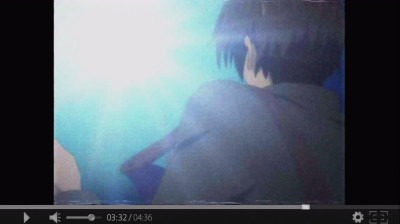
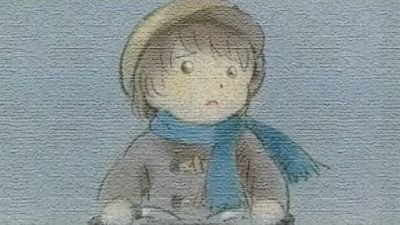
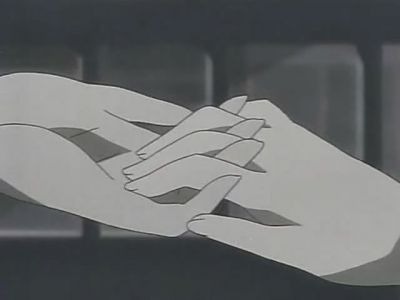
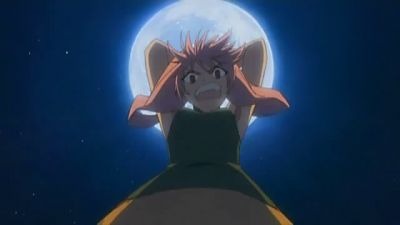
This presents another visual cue.
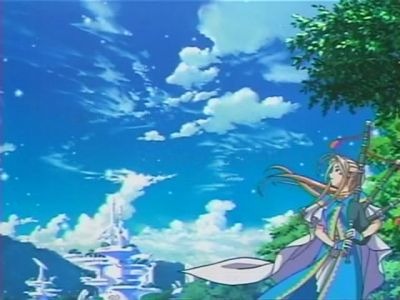
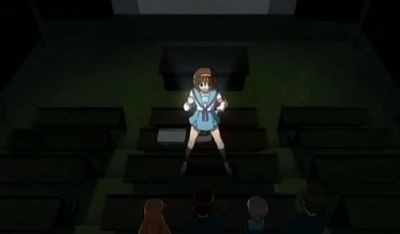
Have you ever browsed YouTube for older videos, perhaps from the VHS era? This visual style strongly evokes that period. It’s as if one might half-expect every opening rip of Himikoden to carry this aesthetic. While DVDs existed, this era predated their widespread adoption, and such content was often shared online. Alternatively, it could represent material that eventually received DVD releases, but only after a considerable delay, you know? Or perhaps, it’s simply a stylistic choice. My own search for VHS captures of the Himikoden OP was unsuccessful; only LD and DVD rips are readily available today. However, the underlying sentiment persists if there’s an audience for it.
Enka, a musical genre that predates all of these trends, also embodies elements of them. It’s certainly not what one would typically label as “moe,” but if we shift the focus from a set of circumstances to an icon, and if that icon happens to be an anime girl, then what? How do we artificially create wabi-sabi? How can mass media entertainment effectively convey emotions?
This brings me back to the subject of music, and specifically to White Album 2. I believe that music serves as one of the most potent and concise mediums for conveying these themes, if not the most potent. Of course, individual experiences and interpretations will vary. Thus, White Album 2 references music from White Album, which was a foundational step for two aspiring anison idols at the time. As they each achieved varying degrees of fame – one becoming exceptionally well-known, the other less so – in the context of White Album 2. In the intervening years, what became of the individuals who played the game? Who sang the songs at karaoke? Are they now indulging in nostalgia, watching younger generations sing about their own lives through a nostalgic lens? Is this how we perceive Ogiso and Touma? That their personalities reminded us of past experiences? What is truly unfolding in this series, in terms of its themes and atmosphere?