UlasanAnime.com – The title itself is a clever play on words.
You might also be interested in : IM@S at A&V
The author was contemplating how Yamakan’s anime, Wake, Up, Girls! (WUG), blends the world of idols with the concept of saving the Tohoku region. On the surface, these two elements seem like polar opposites. One represents the often harsh and competitive entertainment industry centered in Japan’s media hub, while the other involves individuals from Sendai striving to make their mark. It’s a curious juxtaposition.
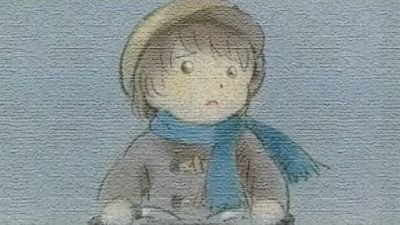
Following the devastating earthquake and tsunami, many Japanese entertainers participated in charity events or sought to capitalize on the situation. The author recalls owning a DVD autographed by Sunao Katabuchi, who created a small music video to raise funds for tsunami relief. This particular item is highlighted because it doesn’t resemble typical merchandise that an otaku would purchase; it’s presented as a straightforward “cartoon” with pure intentions, especially considering its airing on NHK.
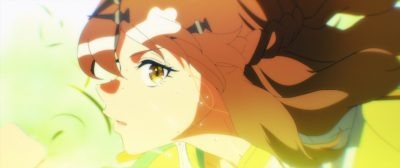
The author believes that WUG’s portrayal of the Tohoku disaster aspect is handled tastefully. However, they acknowledge that if they can interpret it negatively, others with different agendas can do the same. WUG is certainly categorized as late-night anime, but its underlying motivations are a point of interest. The author uses an example from episode 9, where Kaya, the older member who has faced significant hardships, shares her experiences with Mayu, a battle-hardened member who hopefully gains some perspective. Kaya’s understated way of recounting her struggles is almost borderline “gap moe,” a concept where a character’s unexpected traits create appeal. The author half-jokingly suggests a double-gap moe effect, as Kaya’s troubles seem far greater than Mayu’s, yet Kaya’s motivation appears less significant compared to Mayu’s personal drive within the idol industry.
Despite these complexities, the narrative shows two very different individuals finding common ground as aspiring idols, driven by equal determination. This shared determination might be the bridge where the idol industry and Tohoku relief efforts can converge. The author speculates that Yamakan will likely generate enough revenue to cover event costs, and Akiba, being a prosperous area, has nothing to lose and everything to gain from such initiatives.
This situation brings to mind the film “The Wind Rises,” which is described as indulgent yet daring. WUG, too, can be seen as indulgent and daring, but its impact is amplified when considering the entire media landscape. The author questions the ultimate purpose behind this combination. They express admiration for creators who meaningfully tackle difficult or controversial subjects. While Yamakan may not delve into the deepest aspects, he has successfully merged two seemingly disparate elements. If this endeavor genuinely benefits the people of Tohoku, it could be considered even more impactful than the “Angel Beats” moment concerning organ donation.
As a postscript, the author suggests that they could later discuss the more typical late-night anime aspects of WUG. For the current day, however, they encourage readers to take a moment to remember the tragedy and acknowledge that recovery efforts are ongoing, concluding with a thank you to Yamakan.