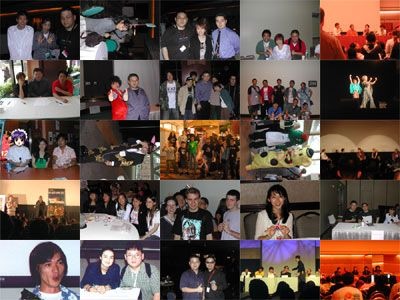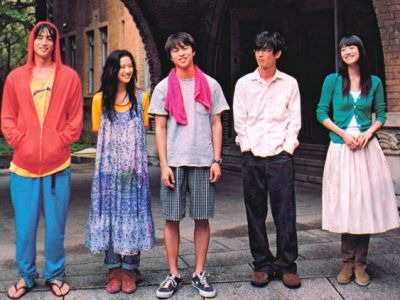
UlasanAnime.com – Spirit of Japan Miami, a debut convention held at the Miami Beach Convention Center, aimed to bring together various aspects of Japanese pop culture and traditions. Located conveniently near the vibrant South Beach, the event attracted a diverse crowd, partly due to its impressive lineup of guests and its unique offering as a private signing event for Funko Pops.
The initial spark for attending this convention ignited around Anime Expo (AX) time. The author had a strong desire to get their Aria merchandise signed by Sayaka Ohara. Unfortunately, this opportunity was missed at AX due to issues with MangaGamer’s booth and ticket availability. This led to the decision to attend the Spirit of Japan Miami convention, knowing Ohara would be a guest there.
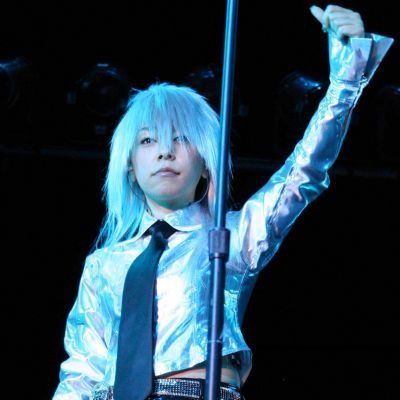
Initially, the author didn’t give much thought to other guests like Hiroaki Hirata or the prospect of Yuki Kaji participating in a Zoom panel. However, the convention’s guest list continued to grow, notably with the addition of Ryo Horikawa, a familiar face at such events. The involvement of Fake Star USA was confirmed with the appearance of Burnout Syndrome. The surprise inclusion of Satomi Akesaka and the idol group Fruits Zipper further elevated the convention’s appeal, especially considering it was a first-year event.
It was revealed that the convention was largely organized by a Japanese-American businessman with a passion for bringing together the elements of Japanese culture he loved. His enthusiasm was palpable, particularly when discussing Yui-chan on Sunday. A brief conversation with him provided insight into the dedication behind organizing such an event.
The event was designed as a blend of a cultural festival and a pop culture convention. The “dealer room” featured art walls, lifestyle brands, and a significant presence of Funko Pop merchandise. For entertainment, there was a board game area with tournaments, a corner with arcade games, and several PlayStations. Autograph sessions were also a prominent feature, situated opposite the main stage. The entrance area was dedicated to cultural experiences, offering opportunities to learn about tea ceremony, wear a yukata, draw manga, and practice calligraphy. A gated section also provided sake tasting.
As expected for a first-year convention, Spirit of Japan Miami encountered some challenges. The event appeared to be somewhat understaffed, despite a respectable attendance. The VIP package and the food ticket system felt somewhat “pay-to-win.” Attendees had to purchase tickets ($5 each) for food and drinks, with most items costing 2-3 tickets. While expensive, even by South Beach standards, this system was a notable aspect of the event. An unusual element was the sale of these tickets exclusively outside the venue at registration, possibly due to a legal loophole.
Fake Star guests, including Diana Garnet, Burnout Syndrome, and Fruits Zipper, held autograph sessions at their respective booths. Fruits Zipper’s session, held in the “VIP” area on Sunday, also included cheki (instant photos). The Fruits Zipper experience was highly engaging, attracting around 10 Japanese fans who had flown in, some of whom were “whales” with VIP badges and numerous cheki tickets. Many attendees expressed excitement about this intimate experience with a popular idol group that had recently performed at Budokan. Fruits Zipper’s popularity was evident, having previously priced out some fans in 2022 and 2023. The event also drew “wotas” (dedicated fans) from various parts of the US, a welcome sight for those who appreciate genuine idol fandom.
The autograph sessions warrant a more detailed examination. The convention offered several badge tiers, including two VIP levels. A higher-tier VIP package, around $400, included access to a VIP autograph session or meet-and-greet and one free autograph for any guest throughout the weekend. VIP attendees could purchase up to four additional autographs at VIP sessions for $100 each, with a system that involved looping back through the line. The most premium VIP tier, priced at $800, granted one free autograph for every VIP autograph session. Both VIP tiers also included three meals per day (estimated to be worth 9 tickets), dedicated security lines, and early stage access.
You might also be interested in : Anirevo Summer 2024: Wrap (Animethon 2024 Edition)
Each guest had both a VIP autograph session and a general “pleb” autograph session. In practice, VIP sessions continued as long as VIP attendees were willing to wait, naturally influenced by scheduling conflicts with other autograph sessions. The intended “looping” system for additional autographs didn’t fully materialize, with most VIPs managing to get their items signed within the allocated limit (up to four per person). The convention seemed to struggle with staffing, managing only three to five concurrent lines at peak times. While overt line-cutting was minimal, badge swapping and consignment services (where people paid others to get autographs for them) were observed. Despite a “sharpie-only” rule, some attendees attempted to erase personalization using rubbing alcohol.
The less stringent enforcement of rules at the VIP lines had a noticeable impact on the general autograph sessions, affecting both their start times and lengths. The “free” autograph lines, which still incurred a cost of $150 each, presented a significant barrier. Furthermore, some sessions were capped at an hour or less, partly due to VIP sessions running over. However, a few VIP sessions, notably Sayaka Ohara’s, extended beyond their scheduled time, earning her appreciation from the author.
A notable incident occurred while waiting in line on Saturday involving a young attendee who expressed a desire to meet Sanji (Hiroaki Hirata). Despite being informed of the rules, the child was ultimately unable to participate. The majority of autographs were for Funko Pops and collectible cards, particularly for the Japanese guests. This practice made the $150 cost for general autographs, or the amortized VIP badge cost when combined with Funko Pops, seem somewhat justifiable. The author suggested that a per-item pricing structure might alleviate some of the issues, though acknowledged the complexities involved with talent management. However, the current system was viewed as a “BAD look” for conventions aiming to foster genuine fan-guest interactions.
Considering it was a first-year event with a relatively thin crowd and a more discerning attendee base, the sustainability of the current guest and pricing model remains a question. Spirit of Japan Miami faces several unanswered questions regarding its future viability.
Overall, the author had a positive experience in South Beach. While the immediate surroundings of the convention center were not ideal for walking, largely due to the August weather, there were ample activities outside the venue. Staying at the con hotel, a short walk around the venue, provided easy access to the lively Collins Avenue, offering numerous dining and drinking options typical of South Beach. Having only spent two days at the convention, the author expressed a desire to return for a longer duration in the future.
PS. The sake tasting area was modest, featuring a few vendors on Saturday and two on Sunday. Access was free for badge holders with specific tiers. The tasting served as a promotional opportunity for the vendors, with Origami, an Arkansas-based company, being a notable mention. Origami’s sake is described as delicious and is expected to have wider distribution across the continental US later in the year. The author highly recommends trying it for those who appreciate straightforward, high-quality sake.
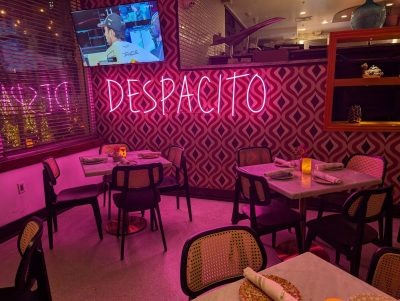
PPS. The author stayed at “Uma House,” conveniently located a block away from the South Beach nightlife and near the famous “Despacito” sign. Despite the slightly inconvenient location of the convention center entrance, the proximity to late-night dining options was a significant advantage, especially given the vibrant nightlife that continues into the late hours.