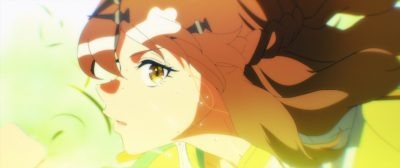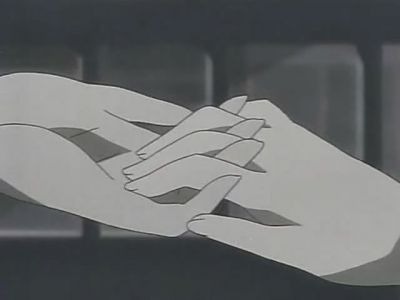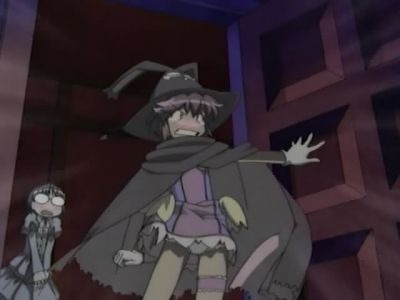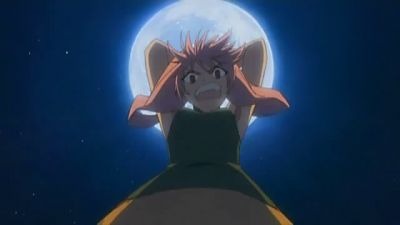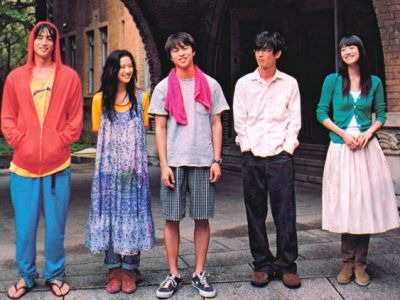
UlasanAnime.com – The noitaminA programming block is considered fortunate to feature Hourou Musuko (Wandering Son) following Fractale, primarily because Hourou Musuko is a remarkably well-animated series. This is not to disparage Fractale, but it is undeniably overshadowed by the “stunning” presentation of Hourou Musuko.
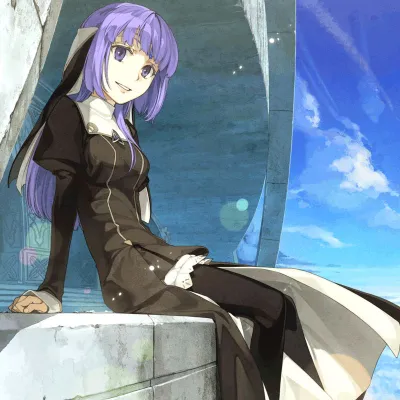
 This situation is rather amusing. Based on surface-level impressions, and acknowledging this is a “Judge-by-Cover Part 4, Winter 2011” assessment, Fractale appears to possess genuine plot substance. It boasts a rich setting and some quite engaging characters from the outset. This stands in direct contrast to what critics like Daryl Surat lament when discussing Hiroki Azuma’s “Database Animal” book, which focuses on character traits.
Conversely, what elevates Hourou Musuko to greatness lies in these more superficial elements. While the presented character drama is rendered with a watercolor, sparkly, white-filtered aesthetic, one cannot help but notice the prevalent stereotypical otaku archetypes: the tsundere, the trap, the tomboy, the cooldere, the precocious child, the flirt, the shota (is this really a Josei TV segment?), and the loli appeal. The gorgeous animation and the masterfully crafted characters are what make this show so compelling from its inception. However, these very aspects also cater to the desires of the “database animal” audience.
It feels as though we are presented with a condensed version, skipping a significant portion of the original narrative, perhaps around thirty chapters. I cannot offer the same level of critique or outrage that those who have read and cherished the original manga might express, as it falls outside my personal interests. Nevertheless, the direction is so skillful that it managed to keep me engaged and largely unconfused, even when the show plunges the viewer deep into the original storyline.
Furthermore, I haven’t even exhausted the list of “elemental” aspects in Hourou Musuko that appeal to the otaku demographic. Forbidden cross-gender romance? An exceptional voice cast? Stunning sakuga sequences? The soundtrack? The list continues.
Hourou Musuko makes Fractale appear as the least pandering work ever showcased on noitaminA. Yet, people still label such content as “moe.” I find myself unable to fully comprehend it. Alternatively, comparing these two series might serve as the most effective illustration that those who complain about “moe” are simply expressing dislike for shows that others genuinely enjoy, without providing any substantial reasoning.
You might also be interested in : Defining Features of Fanaticism, Or Why You Are Not Otaku
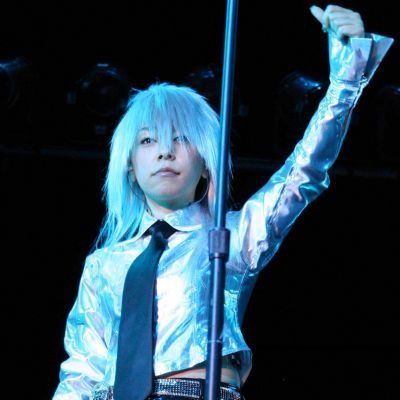
Ah, yes, the exceptional voice cast is certainly within my purview of interest. To illustrate, consider this, and that. And Nana Mizuki’s performance truly cracked me up. The last time that happened in an anime was likely never, though I did manage a chuckle during her segment in Aoi Bungaku.
If there’s one criticism I have for Hourou Musuko, it’s that the exploration of gender identity feels somewhat tangential, serving primarily as a plot device to generate dramatic tension. While watching, I found myself less compelled by Nitori’s gender struggles and more by his attachment to Takatsuki, or the unfolding dynamics between them. In essence, the first episode of Hourou Musuko functions as a well-executed template for teenage romance. Had the central theme been something other than a budding cross-dresser, such as drug addiction or depression, the visual presentation and overall excellence of the first episode of Wandering Son would likely have remained unchanged.
Unless, of course, one has a particular fondness for shota traps.
Fractale, on the other hand, presents a more wholesome narrative. Even with the inclusion of nudity, it merely brushes against the boundaries typically found in mainstream anime in Japan. I suspect a contributing factor to this is the unusual, for lack of a better term, sound of Kobayashi in the lead male role. However, we are likely just at the beginning of this episode, and it would be premature to judge the entire series solely on this initial impression. Despite the temptation to say that Yamakan has incorporated iconic elements from Ghibli and mainstream TV anime, these are not the driving forces behind the narrative. Ultimately, I would probably watch this series for its plot and setting.
Alright, Phryne is undeniably “moe” during that scene where she discusses smiles. But isn’t that more akin to the “moe” found in characters like Kiki or Nausicaä?
Regarding flaws, Kurogane’s assessment is quite succinct, and I would agree with those who find the background music to be often clashing, even if the music itself might be enjoyable when considered independently. The animation isn’t flawless, but a rating of 7/10, comparable to Toradora!, would be more than I could hope for from Yamakan’s latest ambitious endeavor. I believe he is off to a promising start.