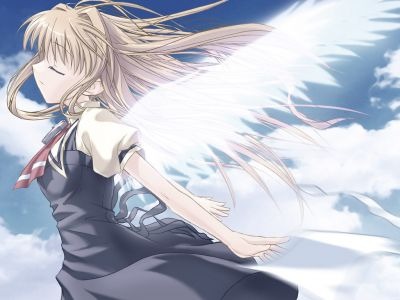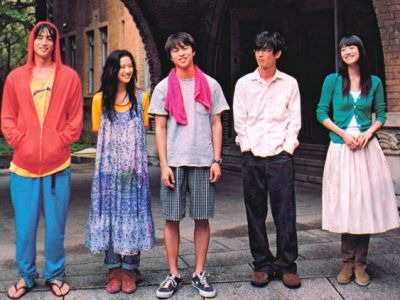
UlasanAnime.com – In a retrospective look at the year 2007, the anime studio SHAFT emerged as a significant force, particularly with its distinctive productions: “ef,” “Sayonara Zetsubo Sensei,” and “Hidamari Sketch.” These series, despite their varied genres and tones, shared a common thread of innovation and artistic expression that set them apart.
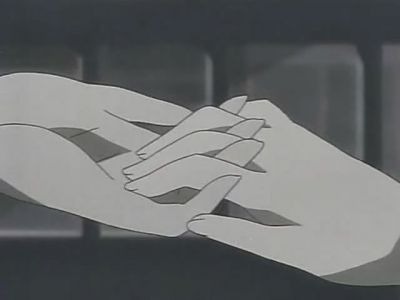
The author recently concluded watching “ef – a tale of memories,” identifying it as the most impressive anime of 2007. While acknowledging this is a subjective impression not yet tested by time, the reviewer found it difficult to dismiss “ef” as a mere gimmick designed to impress. This sentiment extended to “Zetsubo Sensei” and “Hidamari Sketch,” all products of SHAFT, featuring a similar core production team.
Shin Oumura, credited as the director of “ef,” lent the series a unique touch that the author likened to the artistic style of Makoto Shinkai’s films, suggesting it might hinder mainstream appeal. Akiyuki Shinbo’s involvement as “supervising” director also contributed to the visual aesthetic, with recurring motifs like red and black railroad crossings being noted. The other two SHAFT productions, “Zetsubo Sensei” and “Hidamari Sketch,” are likely more direct results of Shinbo’s directorial vision, as evidenced by his memorable appearance in the opening sequence of “Zetsubo Sensei.”
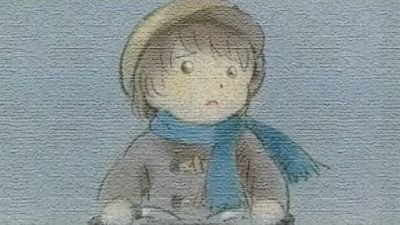
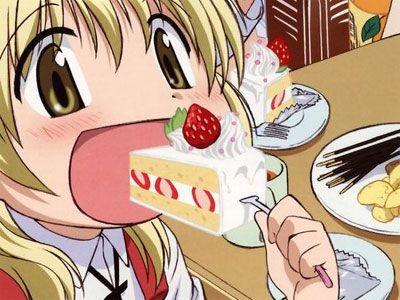
The author expressed a particular appreciation for “Hidamari Sketch,” often referred to as “Sunshine Sketch.” While recognizing the charm of its 4-koma manga origins, the true brilliance lay in its transformation into a television anime series. It managed to elevate a typical manga adaptation into something unexpected, clever, and deeply expressive. The series conveyed not just plot points but also emotions, perspectives, and attitudes, suggesting a successful transmission of the animation staff’s passion to the viewer’s soul.
A commonality observed across all three SHAFT series was the creation of a palpable connection between the anime and its audience. This connection acted as a bridge, transmitting content that transcended mere words. While many anime achieve this to some extent, the author found the bridges built by these SHAFT shows to be particularly peculiar, daring, and charming, making the viewing experience enjoyable.
In the broader context of 2007’s notable anime, these SHAFT productions were contrasted with shows like “Denno Coil” and “Seirei no Moribito.” The author humorously pointed out the perceived “shoestring budget” of the SHAFT shows compared to these other highly anticipated projects.
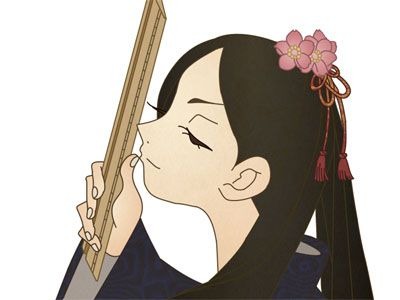
“Seirei no Moribito” was positioned as a flagship show for Production I.G.’s 10th anniversary, based on an acclaimed novel series. Similarly, “Denno Coil” was an NHK primetime project, eight years in the making, with significant anticipation but surprisingly little hype. The author found it perplexing that despite recognizing the merits of “Seirei no Moribito” and “Denno Coil,” they didn’t evoke the same level of engagement as the “crappy” SHAFT offerings.
You might also be interested in : Makoto Shinkai’s Year in Review
A fundamental observation about anime in general is its perceived cheapness. Visually, it often appears inexpensive, with exceptions usually limited to high-budget OVAs or original films. While many shows boast great character designs, this aesthetic appeal can diminish as animation quality deteriorates over successive episodes. Figures from the late 1990s and early 2000s suggested an average anime episode budget of $100,000-$200,000 USD. This starkly contrasts with the estimated $150,000,000 USD budget for a Pixar feature film, explaining the often-perceived low visual quality of anime. Even a relatively expensive TV anime like “Ghost in the Shell: Stand Alone Complex,” with a $7 million USD production cost, held up well visually.
The author speculated on what Japan could achieve with budgets comparable to Hollywood productions, but quickly retracted the desire for more “Seirei no Moribito” or “Denno Coil.” Instead, they expressed a preference for more films like “Paprika” or “The Girl Who Leapt Through Time,” rather than action-oriented series like “Afro Samurai” or other productions that rely on marketing rather than inherent quality.
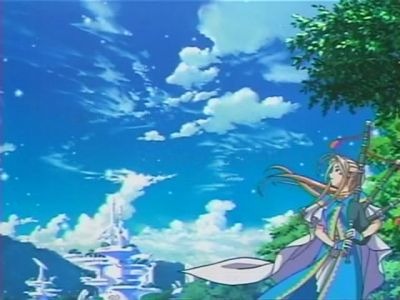
Despite this, Japan has proven adept at capturing consumer interest, even with seemingly simple tricks like the tenth episode of “ef.” The author admitted to being willing to purchase soundtrack CDs from composers like Tenmon, even without accompanying drama CDs or video content. This willingness to spend, even on what might be considered “lame” content, highlights the emotional investment viewers can develop. Similarly, releasing the opening and ending themes of “Sayonara Zetsubo Sensei” as bonus items with the manga could significantly boost sales, functioning as effectively as the anime itself. The author even joked about the potential for a CD featuring lines read by Akiko Yajima (Chie-sensei) as another lucrative bonus.
Alternatively, studios could allocate additional budget towards “seiyuu power,” a concept exemplified by the cast of “Claymore.” The author sarcastically suggested a willingness to tolerate standard seinen fighting storylines if they featured such an epic voice cast.
The author pondered what could cure their “ailment” or “niche” for “cheap anime.” They considered rewatching less sophisticated shows like “Night Wizard” or “Ninomiya-kun” as a form of “shock treatment.” However, this would likely only serve to reinforce how unconventional and boundary-pushing the three SHAFT shows are, making the viewing experience beyond the “boring norm” and ultimately leading to a sense of sadness. This, the author concluded, might be what truly makes these three shows shine.
This marks the seventh installment in a series reviewing notable anime from 2007. The author mused about prioritizing the completion of the next post rather than continuing to watch more “crap cheap anime.”
- Introduction
- Part 1 – Makoto Shinkai
- Part 2 – Baccano!
- Part 3 – Sola
- Part 4 – Hitohira
- Part 5 – Gurren Lagann
- Part 6 – Code Geass
- Part 7 – ef, Hidamari Sketch, Sayonara Zetsubo Sensei
- Part 8 – Manabi Straight
- Conclusion