
UlasanAnime.com – As the year draws to a close, it’s a natural inclination to reflect on personal pursuits and how anime integrates into the broader scheme of life. For those whose minds are constantly active, it’s a chance to channel that mental energy into contemplation. In past years, discussions around “healing” anime and shows centered on hikikomori or NEET characters gained traction in late-night programming, suggesting a potential audience need or desire for such narratives.
Conversely, characters like Belldandy, a literal and figurative goddess, have consistently held a significant place within the anime landscape of idols and icons. This archetype, while not frequently explored, often features in narratives because perfect characters rarely drive human drama. The appeal of Belldandy-esque figures stems from their idealized portrayal of femininity, which might resonate differently with Western audiences, and their unique capacity to address the profound issue of loneliness. After all, who else would willingly engage with the often solitary world of otaku culture except perhaps a divine being?
This reflection leads to the question: does this relate to my personal sentiment of “Seriously, Want to Buy That Not-So-Kawaii You”? Perhaps it does.
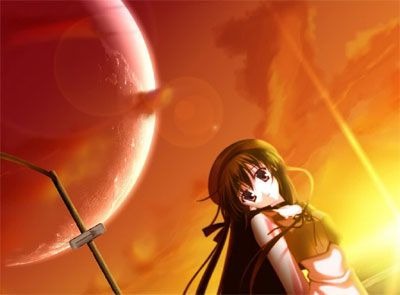
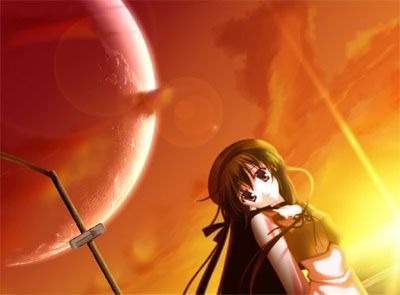
After much preamble, I want to clarify that this post primarily focuses on the anime Sola, and to some extent, Touka Gettan episode 21. The core of this discussion revolves around characterization. It feels appropriate to highlight the single show this year that truly centered on a singular character.
With that in mind, it’s important to note that Matsuri is not the sole character in Sola, nor is she necessarily the best of 2007. I’m not even certain she is my personal favorite of the year.
You might also be interested in : Japan’s Persistent Problems: A Look Back
However, her character concept, performance, and narrative role perfectly embody loneliness. She was the driving force of the show, representing the projection of a complex set of emotions, akin to a melancholic weekend afternoon. The fact that Sola evoked this sentiment from me is precisely why it stands out. It mirrors the experience of chasing enigmatic girls with a camera, as in Kyousuke’s Marble Phantasm, and observing the depth of their souls and those around them. While the plot’s resolution of silly vampire mysteries might not captivate everyone, the emotional connection to her is what truly matters.
Much like another anime this year that shared a fascination with the sky, Sola managed to achieve something extraordinary in expressing these feelings. This, in itself, is a fundamental aim of artistic expression.
I’ve touched upon this frequently of late, but in anime, the story often serves as a less potent vehicle for conveying emotion. Instead, writing, animation direction, artistic direction, and voice acting constitute the bulk of characterization. These elements provide shows with high production quality a greater potential to impress me, as they can “afford” superior writing, direction, and voice acting. The same principle is evident in Touka Gettan. For those who have seen episode 21, you likely understand precisely what I mean: writing, animation direction, artistic direction, voice acting… the story itself becomes secondary. It’s a charming tale about a girl meeting a boy, and that’s essentially the plot. Yet, it’s the synergy of all other elements that coalesces to deliver one of the year’s most memorable anime episodes.
While Sola may not excel in every aspect, its portrayal of Matsuri is undeniably masterful.
Returning to the introduction’s broader theme, it’s difficult to overlook how the holiday season and the year’s end often prompt reflections on the less fortunate. Western cultures often emphasize the value of charity. This sentiment can be underscored by the influx of donation requests or the subtle irony of discussing charity while engaging in an expensive hobby. Today’s anime offer insights and characterizations that resonate with our own feelings of loneliness within modern, affluent societies. With this in mind, I’ll conclude with a quote from Mother Teresa: “Loneliness and the feeling of being unwanted is the most terrible poverty.” Let’s consider befriending a Japanese animator today 🙂
This marks the third installment in a series of blog entries examining the memorable and noteworthy aspects of 2007. Sola might be a quiet and subtle presence amidst the clamor of fan discussions, but it is all the more deserving of recognition.
- Introduction
- Part 1 – Makoto Shinkai
- Part 2 – Baccano!
- Part 3 – Sola
- Part 4 – Hitohira
- Part 5 – Gurren Lagann
- Part 6 – Code Geass
- Part 7 – ef, Hidamari Sketch, Sayonara Zetsubo Sensei
- Part 8 – Manabi Straight
- Conclusion





















