UlasanAnime.com – While “My Neighbor Totoro” is a significant work within Studio Ghibli’s filmography, I had never experienced it in its entirety until recently. Growing up in an East Asian household, I was familiar with the film through osmosis, having seen it in the homes of relatives with young children. However, it was never a focused, sit-down viewing experience. Due to its relatively short runtime and the pervasive influence of other media, key scenes from Totoro have been endlessly replayed in AMVs and other forms of content since its initial release.
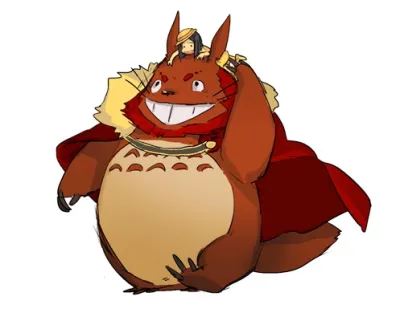
The overall aesthetic and emotional tone of Totoro are widely recognizable, even to those who haven’t watched the entire film. The iconic imagery of the large, gentle, and benevolent creature is something most people are already acquainted with.
You might also be interested in : Yearly Review: N-Listing
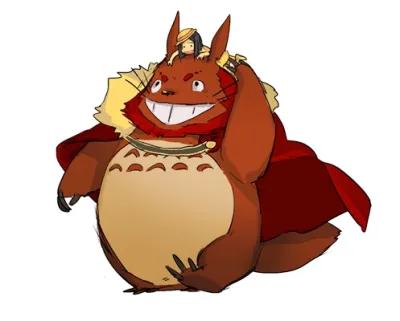
My primary motivation for finally watching the film was to confirm the perception of Totoro as a large, huggable, and utterly harmless entity. The film’s narrative can be distilled into a single, simple sentence, making it feel more like a static illustration than a complex sequence of events. Its brevity means that even if you’ve never seen it, you’re not necessarily missing out on a vast amount of plot. Instead, Totoro is best appreciated as a visceral experience, where the animation itself conveys the true appeal, rather than dialogue.
For those who appreciate the “inaka” (rural) aesthetic, “My Neighbor Totoro” is undoubtedly one of the finest examples. Its short length ensures that it is unlikely to bore the viewer, which in itself is a considerable achievement. Compared to films like “Mai Mai Miracle,” the absence of a prominent plot in Totoro seems to work more effectively than a convoluted storyline. Both films approach the audience from a similar angle, with the key difference lying in their execution.
Another notable difference lies in the sense of danger presented in Totoro. While “Mai Mai Miracle” focuses on human-centric dangers and paints a world more concerned with social issues than environmental ones, Totoro imbues its narrative with a more palpable sense of peril. Death and physical harm feel like lurking possibilities, reminiscent of the suspense found in “Spirited Away,” yet without the overtly dangerous nature of that film. This is perhaps best exemplified when Satsuki and Mei are shaking the pillar of their balcony. In “Mai Mai Miracle,” the trust placed in people by children is a central theme, whereas Totoro highlights the accumulation of children’s indifference to the hazards of nature.
Ultimately, “My Neighbor Totoro” is a film that must be experienced to be fully understood. While it may not be a narrative powerhouse on its own, its sheer size, roundness, and the comfort it offers to children in the television age are undeniable. Attempting to describe it in words feels almost like a disservice to the genuine experience it provides.
This “Ghibli Challenge” is part of an end-of-year celebration among several anime bloggers. More information about the Ghibli theatrical roadshow can be found through GKIDS.