UlasanAnime.com – The title “Uchoten Kazoku: When You Got Sauce in Your Wasabi” playfully hints at an unexpected blend of elements, much like encountering the rich, savory depth of a flavorful sauce within the sharp, clean simplicity of wasabi. This analogy extends to the anime itself, suggesting a fusion of the traditional and the modern, the mundane and the magical, or perhaps even the peculiar and the profound. It’s about finding something deeply flavorful, something with “saudade” (a Portuguese term for a deep emotional state of nostalgic or profound melancholic longing), within the aesthetic principles of “wabi-sabi” (a Japanese worldview centered on the acceptance of transience and imperfection). It’s about finding anime within a Kyoto-style life, or the endearing, often clumsy charm of “moe” within the shapeshifting trickster figures of tanuki.

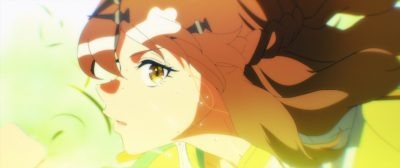
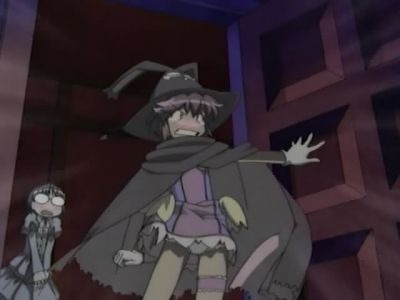
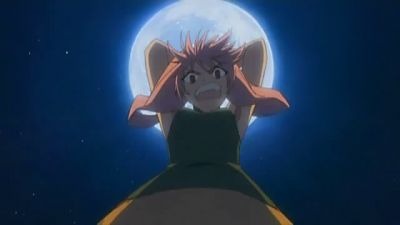
The sentiment, “I see why they like Kaisei,” suggests an appreciation for a particular character or aspect of the show that resonates with the author, possibly due to its complexity or emotional depth. This appreciation is further visualized by the inclusion of  , which would likely be an image enhancing the visual narrative or thematic exploration.
Delving deeper into the anime, the author notes that while “Uchouten Kazoku” as a whole isn’t inherently problematic, the unfolding narrative, which leans into typical Asian familial tragedy, diminishes its compelling nature. This observation might stem from a personal preference for different storytelling tropes or a feeling that the familiar trajectory of familial drama overshadows other potential avenues for the story.
You might also be interested in : Will Miku’s Future Be Magical?
The author speculates that this feeling could be influenced by several factors. Firstly, the involvement of PA Works, a studio known for its distinct visual style and often character-driven narratives, might contribute to a certain expectation or tone. Secondly, the relatively contemporary setting of the anime could play a role, as it might ground the fantastical elements in a way that feels less escapist or more constrained compared to a purely historical or fantastical setting.
Furthermore, the author admits that Masaaki Yuasa’s “The Tatami Galaxy” might have set an unrealistic standard or tone for what they expected from this type of story. “The Tatami Galaxy” is renowned for its unique visual style, experimental narrative, and philosophical explorations, creating a high bar for subsequent anime with similar thematic ambitions. The comparison suggests that “Uchouten Kazoku,” while good, doesn’t quite reach the same level of innovative storytelling or profound impact for the author.
This experience is likened to falling in love with someone only to discover they are not exactly as initially perceived. However, this realization isn’t necessarily negative; it’s described as a “good, ‘hey I can live with this’ sort of way.” It implies a shift from an idealized expectation to a more grounded, practical acceptance. The outcome is deemed “fine and practical but largely devoid of glamour,” suggesting a lack of the extraordinary or breathtaking quality that might have been anticipated.
The author then reflects on a broader trend in anime, where many hyped shows revolve around controversial or taboo subjects like “Twincest for the Win” or “A Little Sister Is Fine Too.” This observation serves as a point of contrast to “Uchouten Kazoku,” implying that the latter’s more conventional familial themes, even with fantastical elements, struggle to stand out in a landscape saturated with more provocative content. The mention of “Oh Man That Pig Is So Cute And I Want to Eat Him” and the subsequent exclusion of “Silver Spoon” (which deals with agriculture and a more grounded narrative) further emphasizes this point.
The author posits that “Fantastical Tanuki Family Bickering Foolishness” faces a significant challenge in capturing attention. However, they then draw a parallel between incest and the concept of “Kaisei” (which they note is close enough to incest in some jurisdictions, assuming Kaisei and her mate are human). This leads to the intriguing suggestion that “Uchouten Kazoku” could have further explored this complex theme, allowing the tanuki nature—their inherent characteristics and societal norms—to play a more prominent role in the narrative’s exploration of relationships and societal boundaries.
Ultimately, the author concludes that “8Ken will never make it as a Friday Fellow” because his definition of true love is a “shallow shadow of its true nature.” This statement implies a critique of a character’s understanding of love, suggesting it lacks depth and authenticity, perhaps mirroring the author’s own feelings about the anime’s narrative direction or certain character arcs. The “Friday Fellow” reference is likely a nod to a specific cultural context or a personal idiom that underscores the idea of belonging to a group or achieving a certain standard, which 8Ken fails to meet due to his superficial view of love.