UlasanAnime.com – This article offers a critical perspective on Kyoto Animation’s adaptation style, specifically focusing on “Hibike! Euphonium!” (often referred to as “Euphonium”). The author posits that while KyoAni’s signature style can be highly effective for certain works, it also has limitations that may not suit all narratives. “Euphonium” is presented as a prime example where the studio’s strengths complement the source material, while also highlighting instances where their approach might be less successful.
The author begins by referencing a translated interview with the novel’s author, Ayano Takeda, suggesting it provides essential context for understanding the series. Following this, the article dives into the core argument: that KyoAni’s adaptations can sometimes feel “stiff.” This stiffness, however, is not necessarily a fatal flaw, especially when the chosen work aligns well with the studio’s established strengths.
A key observation made is about a prevalent trend in contemporary TV anime to prioritize “in the moment” storytelling over overarching thematic coherence. While these two elements are not mutually exclusive and can coexist harmoniously, the focus on immediate impact can sometimes detract from a story’s broader narrative development. The author contends that “Euphonium,” much like other Kyoto Animation productions, bucks this trend by maintaining a strong sense of thematic depth, which makes it stand out, particularly in the current anime landscape.
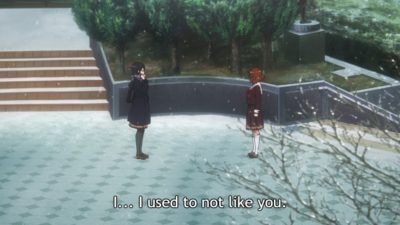
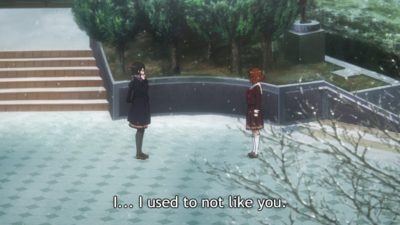
This thematic consistency is particularly evident in the series finale, which prompts a reflection on the first season. The author recalls the common audience reaction of “waifu-picking” and the problematic nature of such engagement. However, they share a personal connection to the character Asuka, mirroring Kumiko’s initial reservations and subsequent appreciation. This personal journey with Asuka’s character development highlights the show’s ability to foster genuine emotional investment and transformation.
You might also be interested in : 2016 Eventing Highlights
The article then delves into the character-driven nature of “Euphonium’s” narrative. A central question is posed: can viewers fully grasp the emotional shifts and character transformations if they don’t deeply connect with Kumiko’s internal states or understand the story’s intended perspective? The author uses the example of Mamiko’s arc and her reconciliation with Kumiko, describing the scene as overly dramatized and even jarring, despite KyoAni’s serious treatment of it. This instance is cited as a rare moment where the studio’s perceived flaws become apparent.
Furthermore, the author suggests that the narrative structure, which often layers individual character arcs, can feel somewhat artificial. An analogy is drawn to “Persona 3’s” social links, where the resolution of each mini-arc is dependent on making sincere choices, leading to the unlocking of the Kitauji orchestra band’s full potential. While this structure can feel reminiscent of such game mechanics, the author notes that this perception often arises in retrospect.
Despite these critiques, the article emphasizes that “Euphonium” shines brightly amidst a sea of lower-quality anime adaptations. The author likens the series to a “gold-colored beacon,” attributing its success to the compelling characters and the overall quality of the production. While acknowledging the YA nature of the source material and the potential for embellishments, the author finds the characters sufficiently engaging. However, a lingering question remains: have the viewers adopted the correct point of view to fully appreciate what Kumiko experiences, or to share in her adolescent perspective?
Ultimately, the article concludes that when the music swells and the performances are delivered, “Euphonium” truly excels. The finale, in particular, serves as a reminder of the marching band’s impact in the first season, reinforcing the idea that the series “clicks” when its musical core is at the forefront. This, the author declares, is the power of anime.
A postscript notes that the epilogue is considered a “guilty pleasure,” drawing a comparison to the “Unlimited Blade Works TV” series.