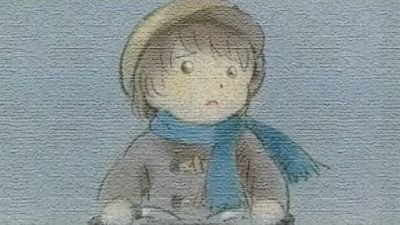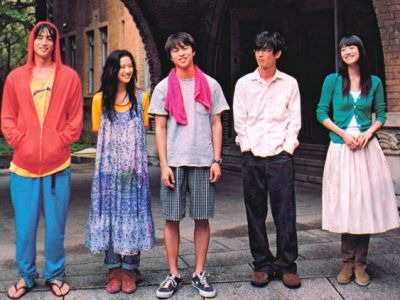
UlasanAnime.com – In the face of encroaching winter, the anime “Asatte no Houkou” serves as a peculiar source of comfort, often coming to mind despite the author’s current consumption of various other series.
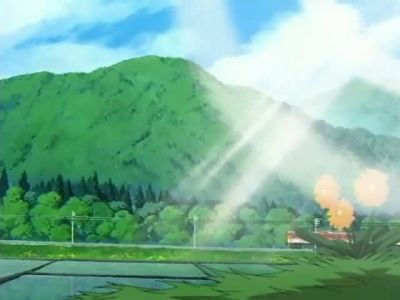
As North America experiences the chill of winter, a season that traditionally evokes a sense of introspection and reflection on the past year for the author, the mood shifts. Spring is associated with new beginnings and affections, while winter marks the contemplation of fleeting time and cherished memories, leaving the roles of summer and autumn yet to be fully defined.
The author’s appreciation for “Haibane Renmei” began during its original airing. The series proved to be such a delightful watch that the author felt compelled to follow it weekly. The initial five episodes were particularly impactful due to their timely release, allowing the author to savor them as they coincided with the transition from the languid days of autumn to the crisp, almost biting mornings reminiscent of Canadian weather.
Interestingly, “Asatte no Houkou” evokes a different sentiment. The author finds it difficult to imagine experiencing the anime during the summer and having it resonate in the same way. It shares a certain characteristic with “Haibane Renmei” once the initial uncertainty of the first three episodes was overcome. In contrast, “Someday’s Dreamers,” a slice-of-life anime, felt perfectly suited for a summer viewing, perhaps because both series are set during the summer months. The seasonal contrast is even subtly woven into “Someday’s Dreamers,” alluded to through Masami Oyamada’s magical abilities and past experiences.
While other anime also feature prominent seasonal motifs, the author believes that in slice-of-life genres, seasonality acts as the most potent, intangible element of a show. “Aria,” for instance, maintains a consistent atmosphere regardless of the depicted season, even though Venice’s summer differs from Neo-Venezia’s. The feeling remains the same. Conversely, “Kanon” masterfully captures the essence of winter, a feat it must achieve given its setting. The series successfully balances elements of playful joy and underlying sorrow, a dynamic the author feels “Kanon” embodies exceptionally well.
You might also be interested in : The Ephemeral Quality of Anime and Its Memory Implications
Perhaps the true artistry lies in the ability to construct a personal reality within a fantastical setting. “Azumanga Daioh,” which resonates more directly with the average Japanese person’s experiences than “Aria,” arguably handles seasons and emotions more effectively. This is because animation creators can draw upon such relatable, first-person experiences. This raises the question of whether “Haibane Renmei”‘s brilliance stems solely from its creator’s imagination. It’s a possibility, and “Asatte no Houkou” might achieve a similar effect, even with its more familiar setting.